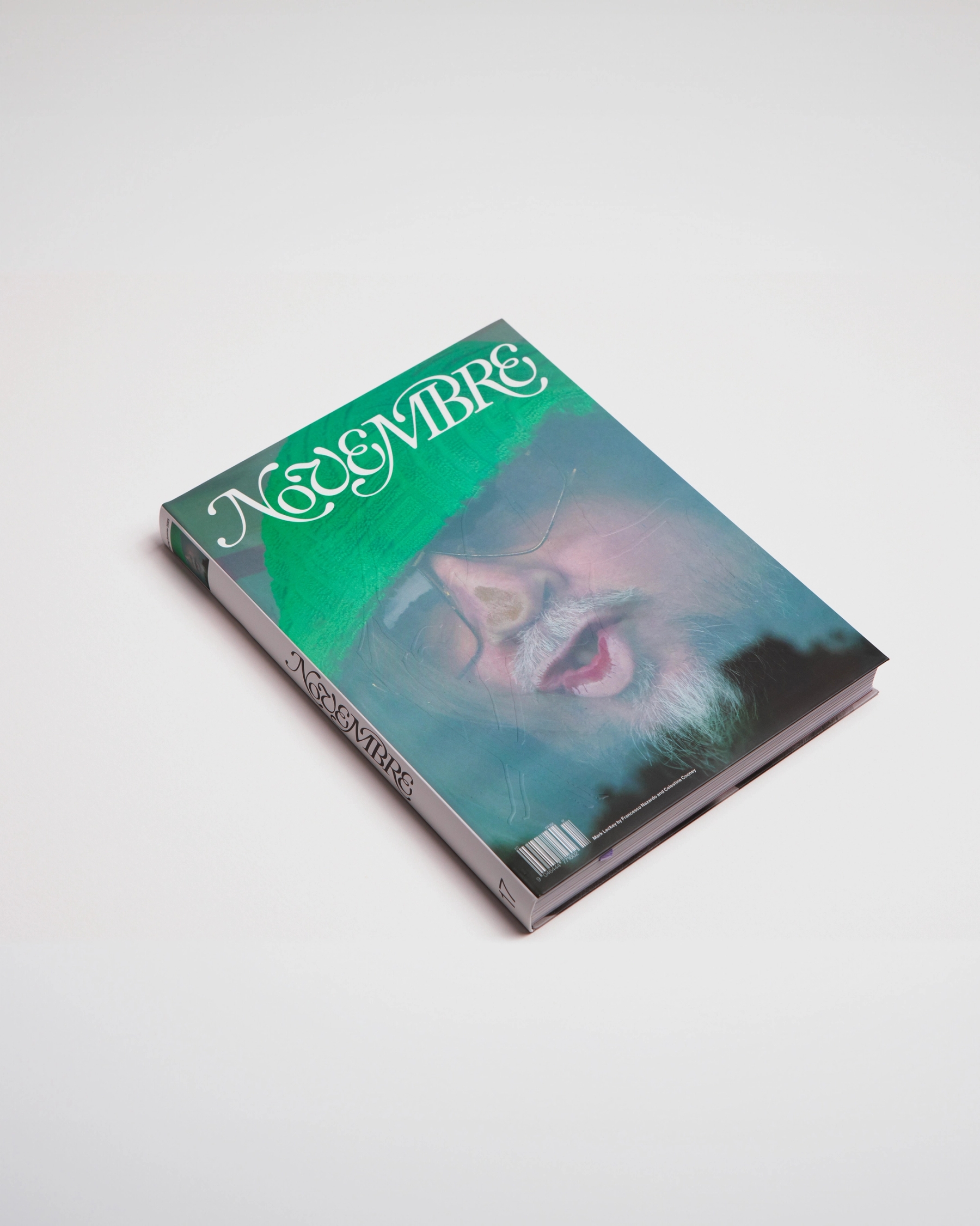
Watersigns / Priesthoods: Alessandro Raho, Mark Leckey and Dan Demarre
Creative direction Dan Demarre & Jeanne-Salomé Rochat
Photography Francesco Nazardo
Styling Celestine Cooney
Hair Jack Fang
Photography assistant Sammy Khoury
Styling assistant Meja Taserud
In the zodiac, water Some conversations unfold like a map. Others move more like weather: gathering, shifting, circling back on themselves. Like waves.
When British artists Alessandro Raho (Pisces), Mark Leckey (Cancer), and Dan Demarre (Scorpio) sit down together, the tone is light at first, and playful throughout. But very quickly we slip beneath the surface, into deeper cracks: temperament, devotion, performance, language, time. Vertigo.
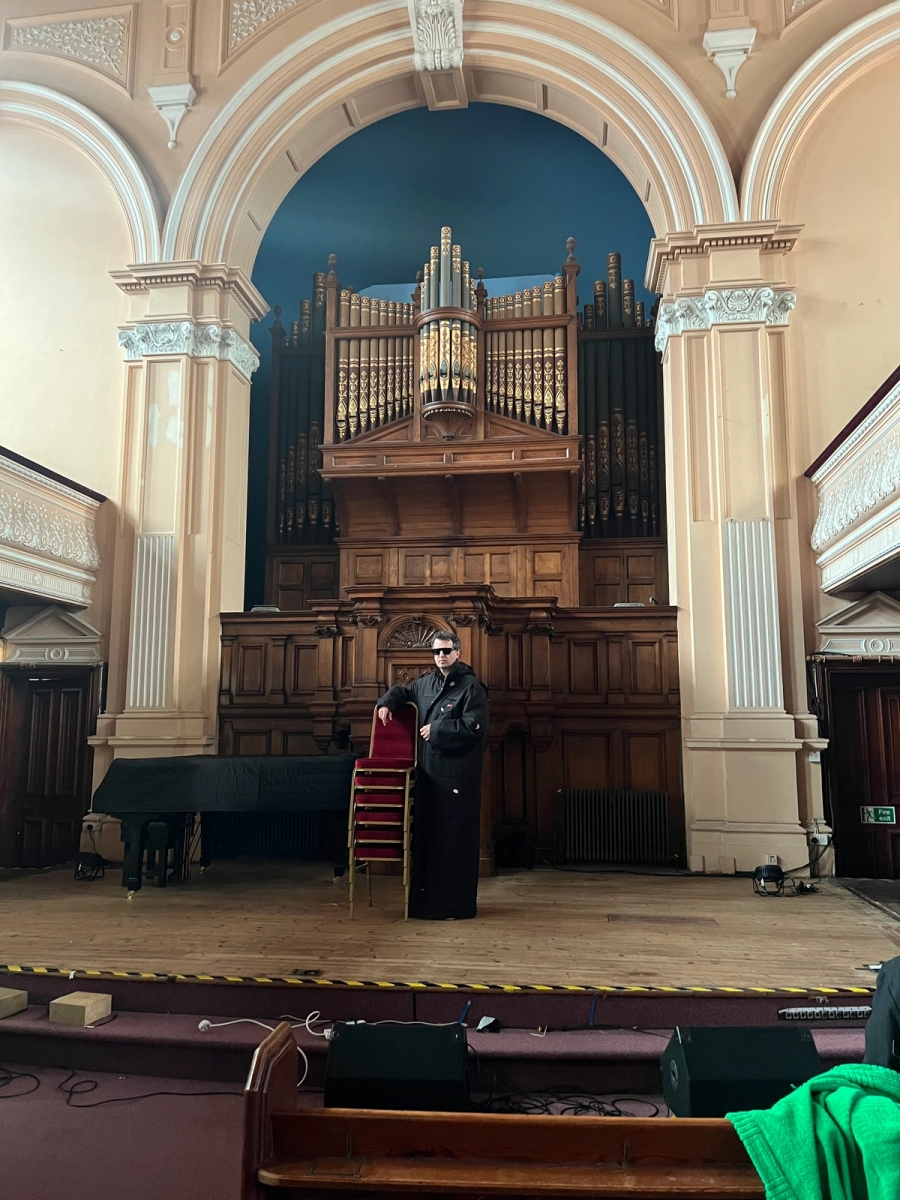
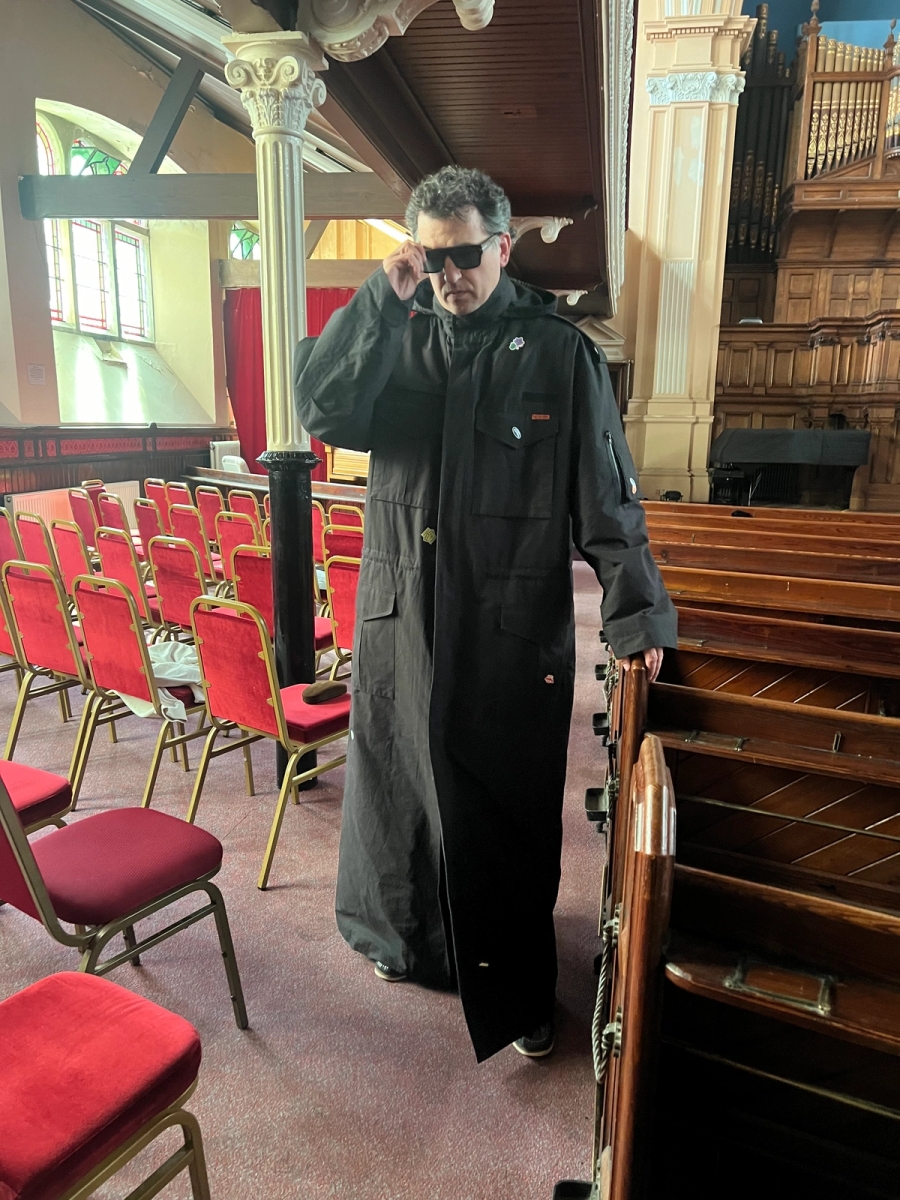
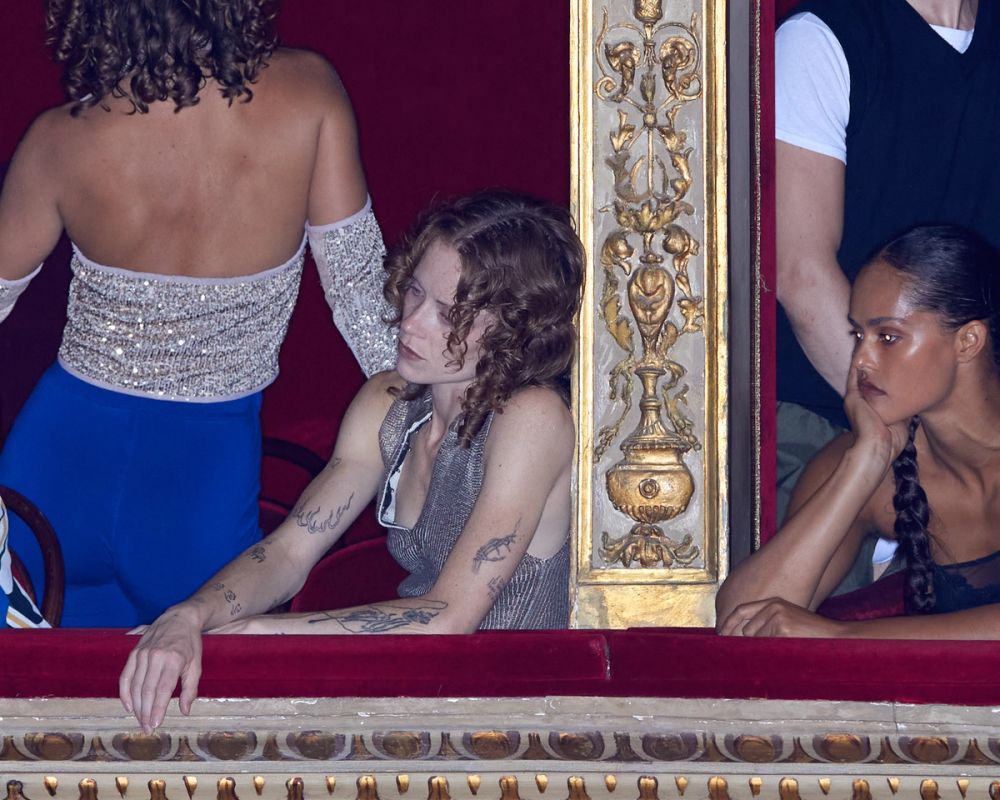
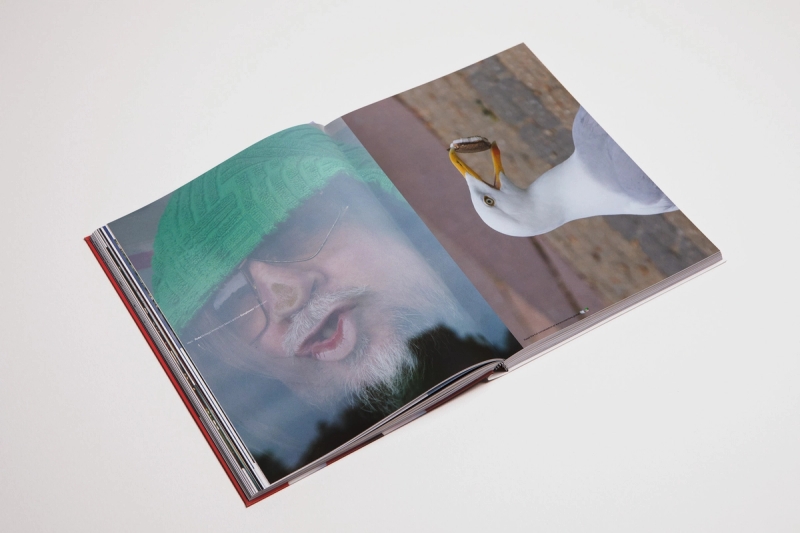
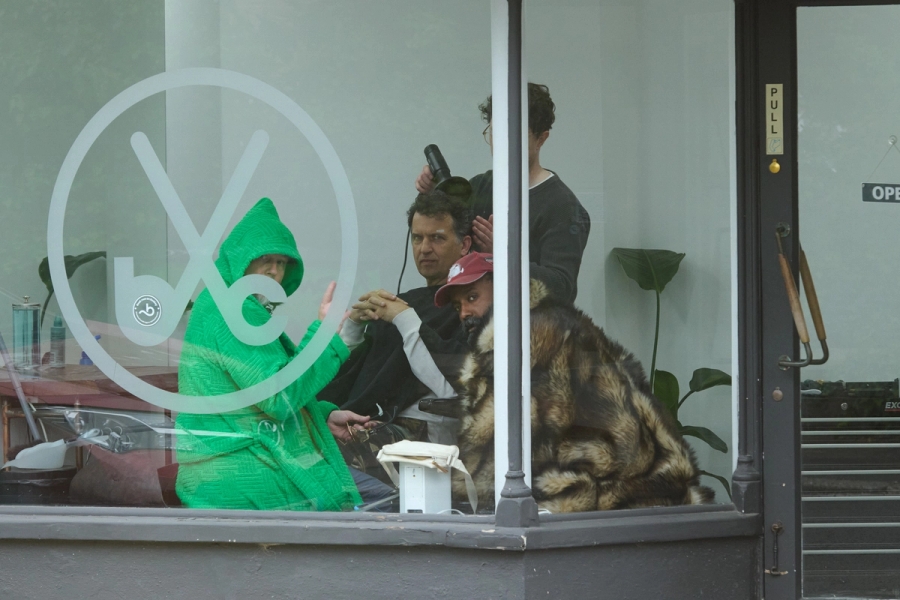
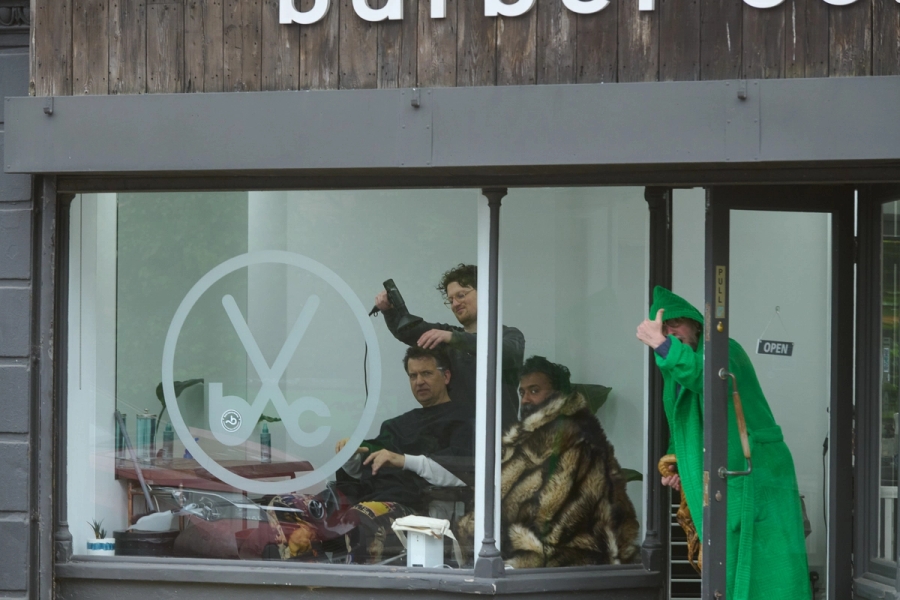
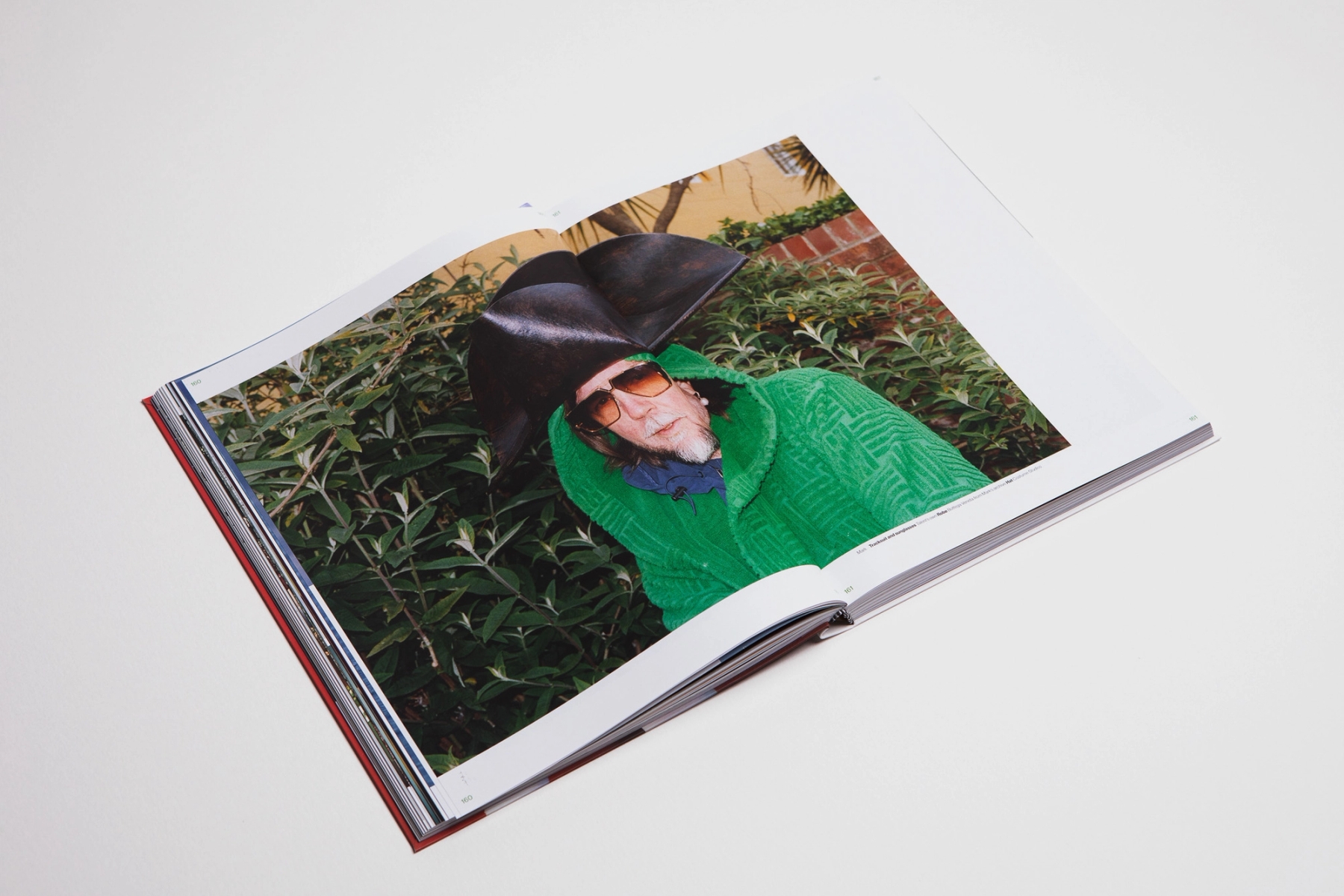
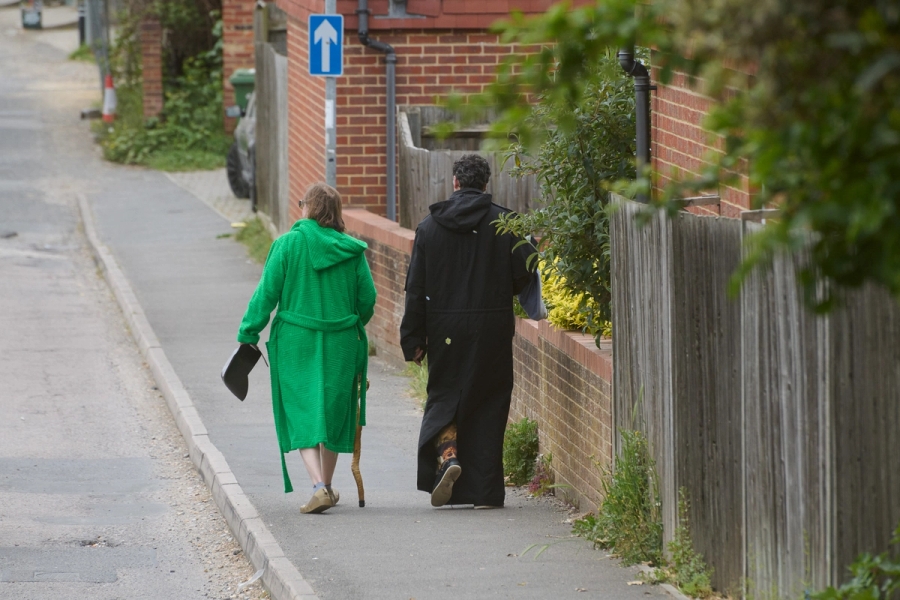
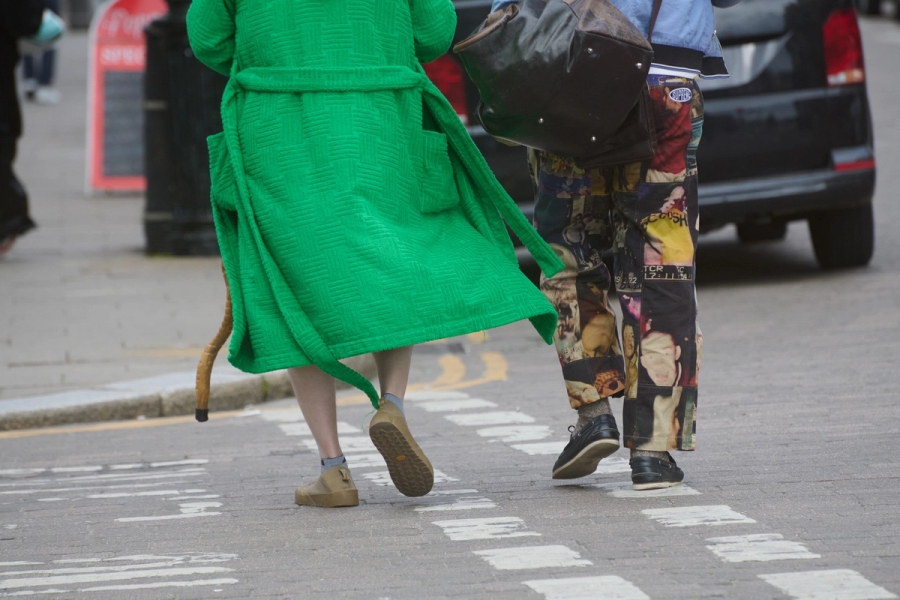
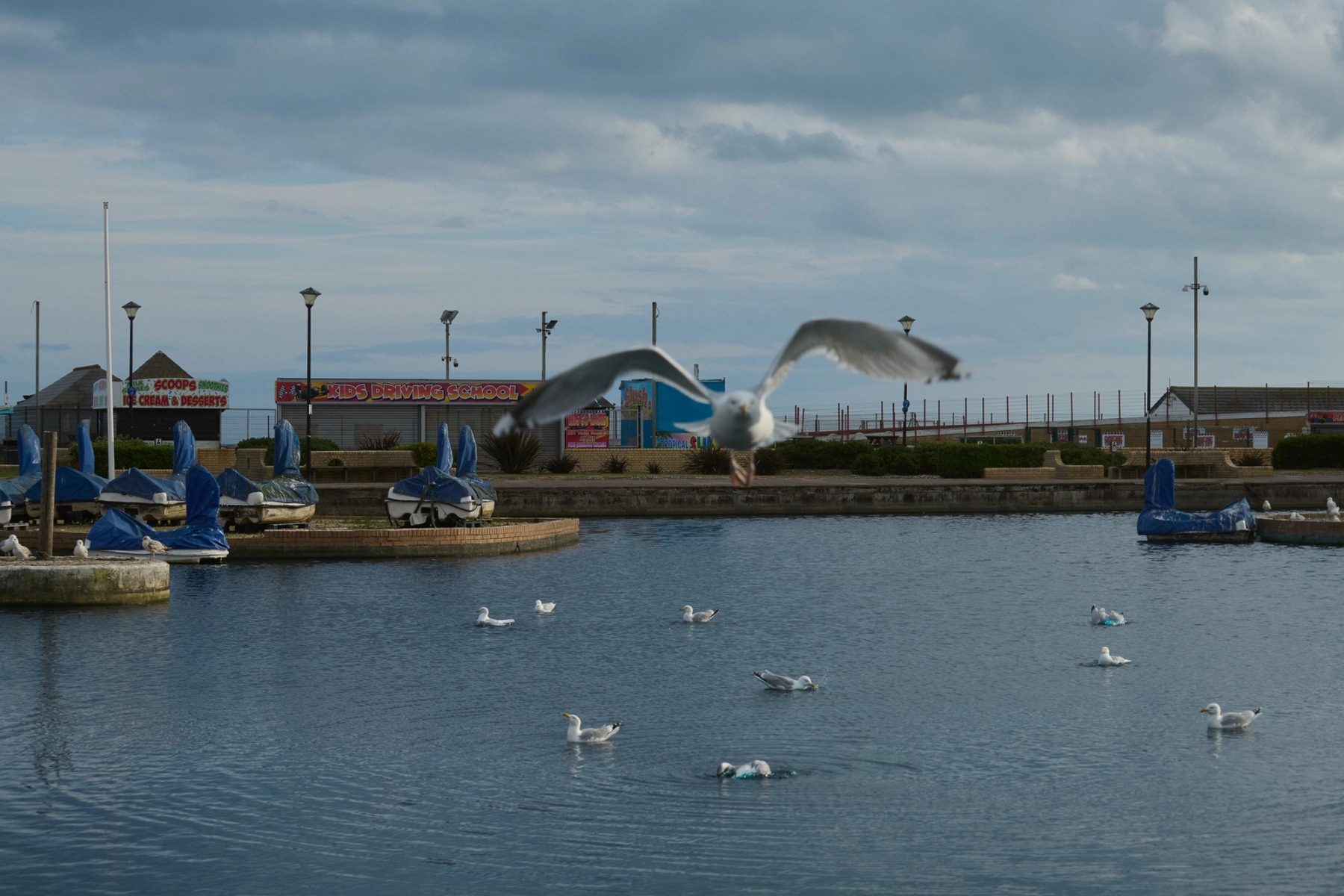
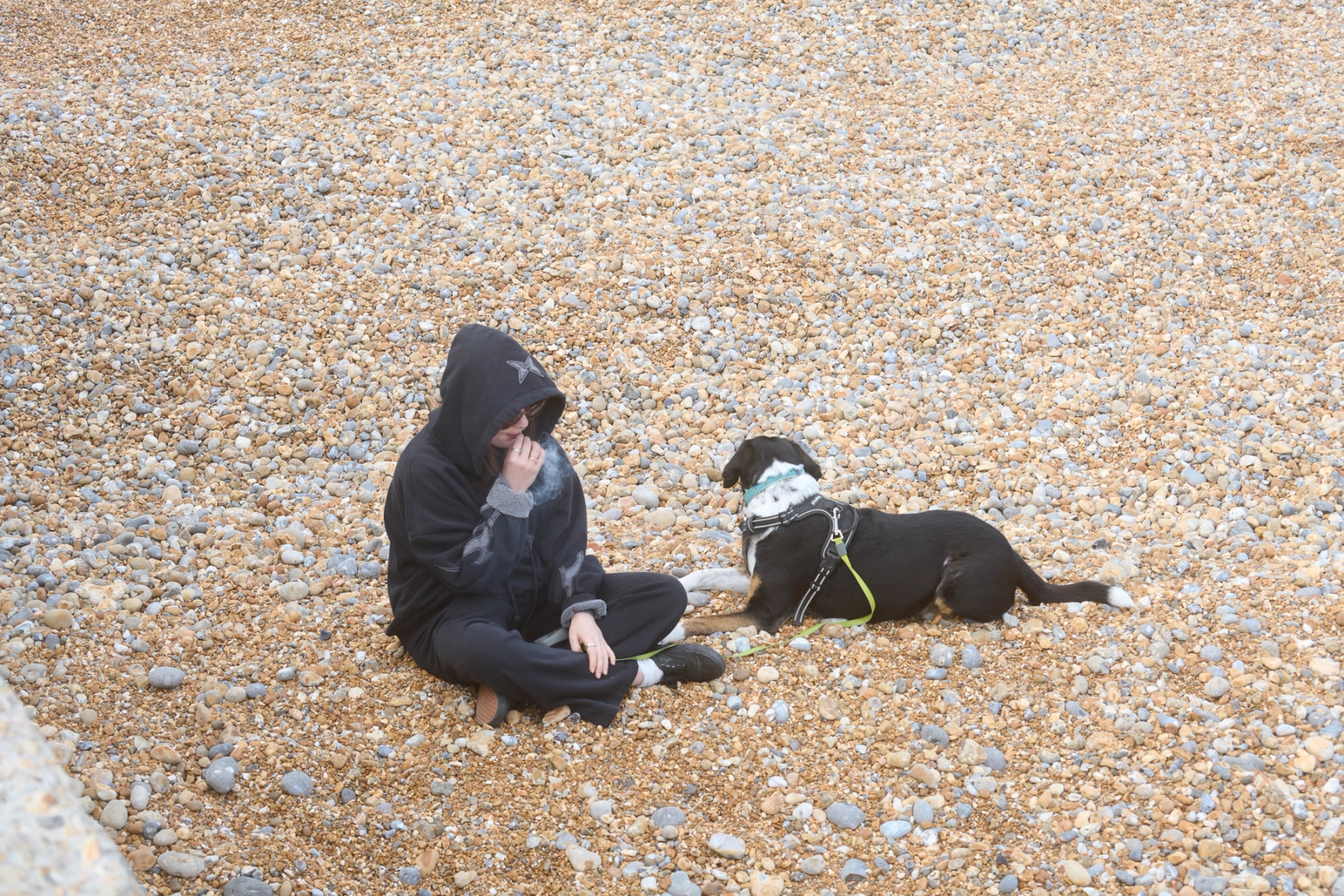
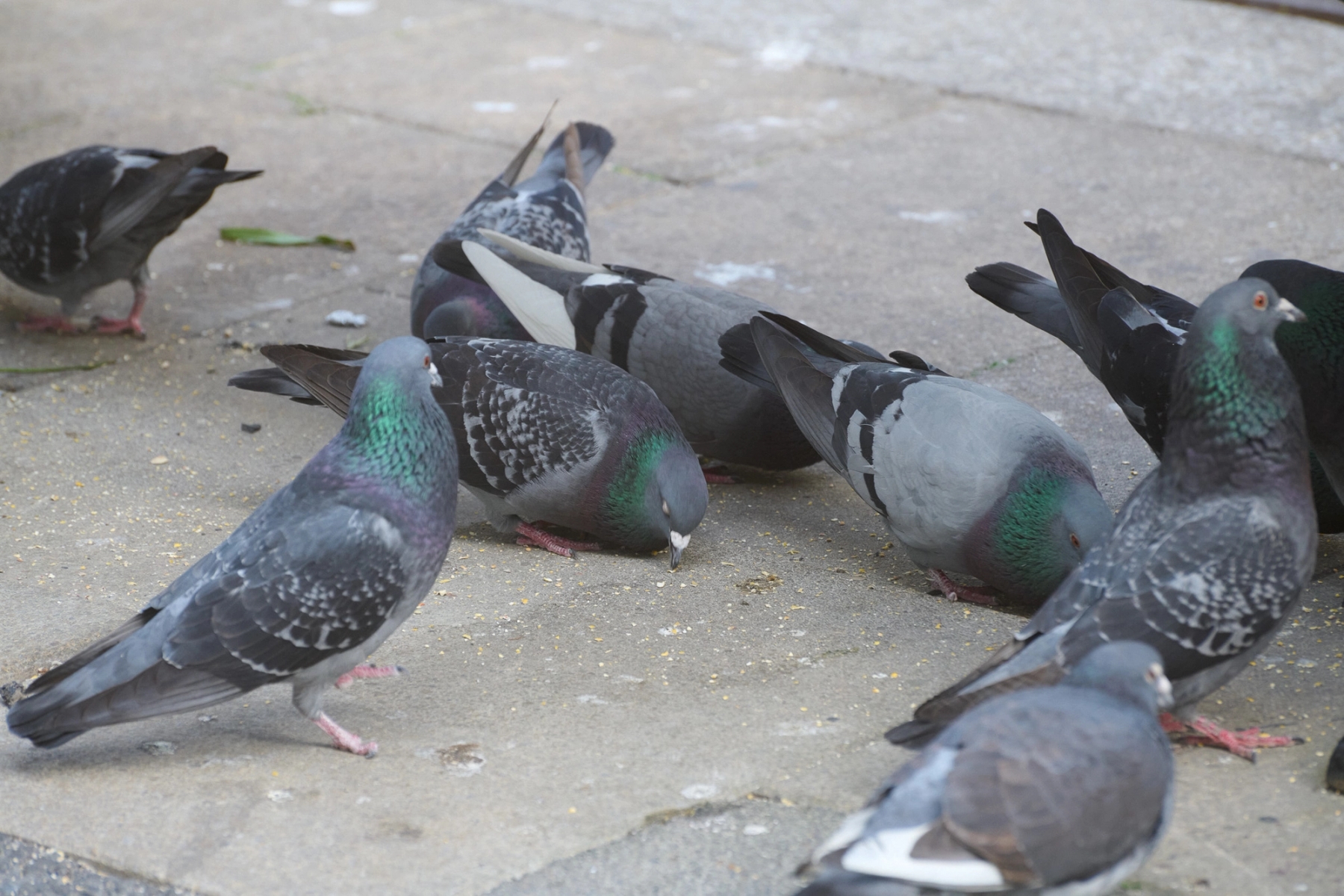
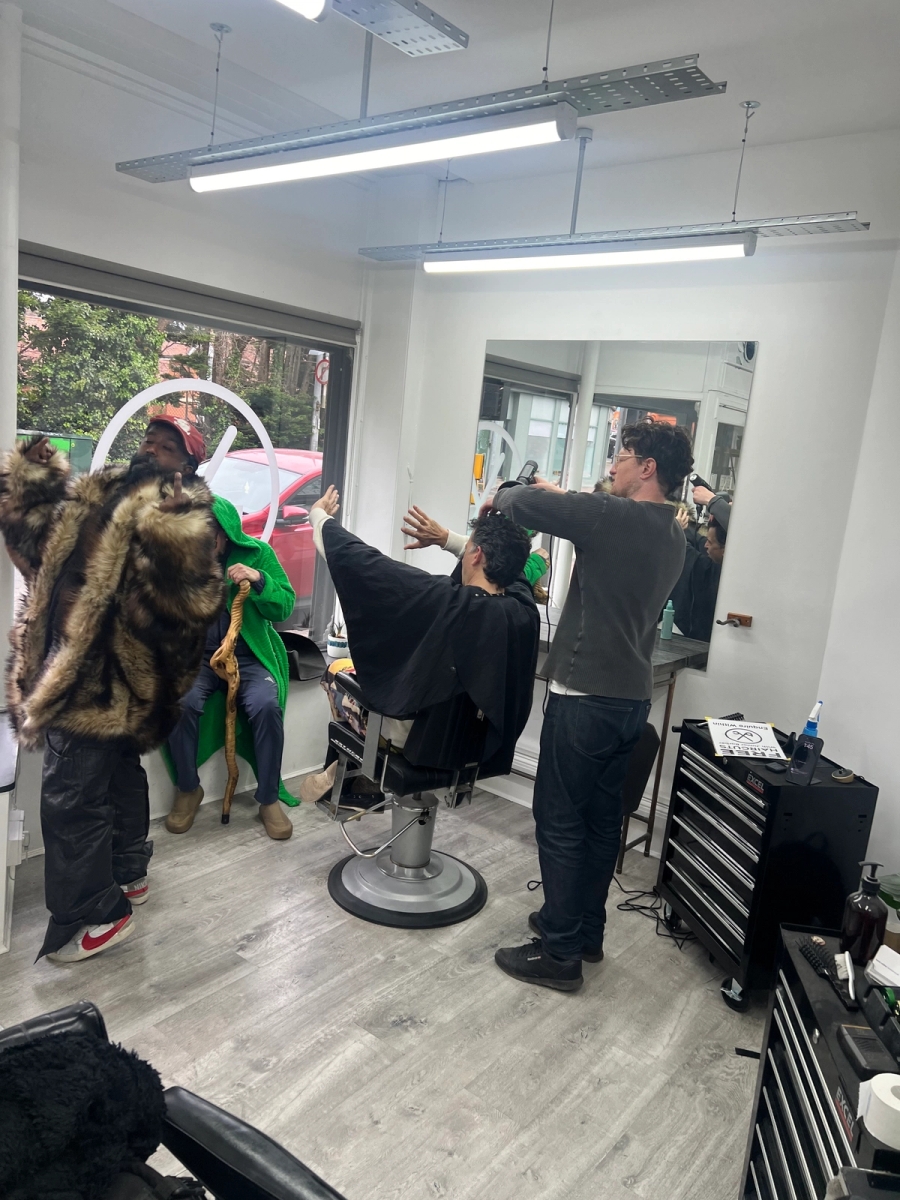
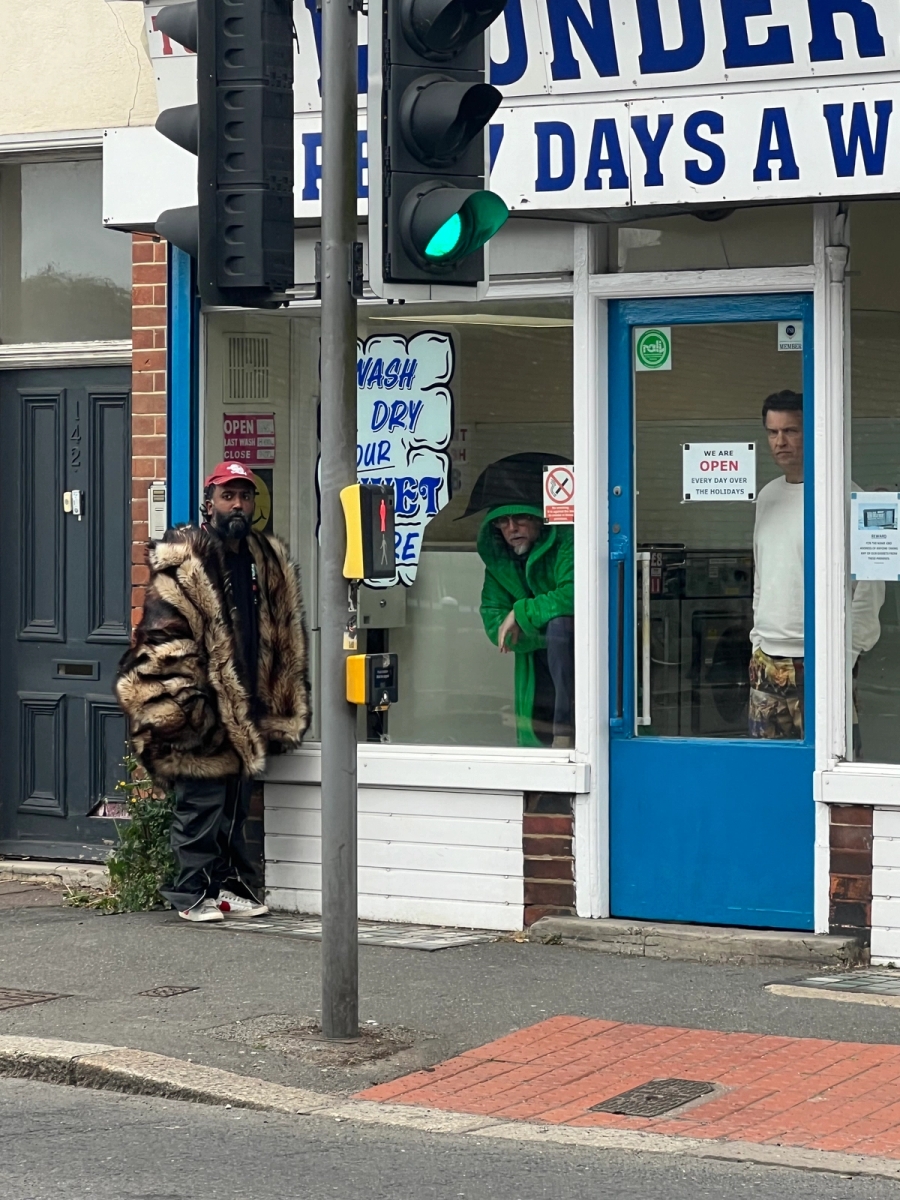
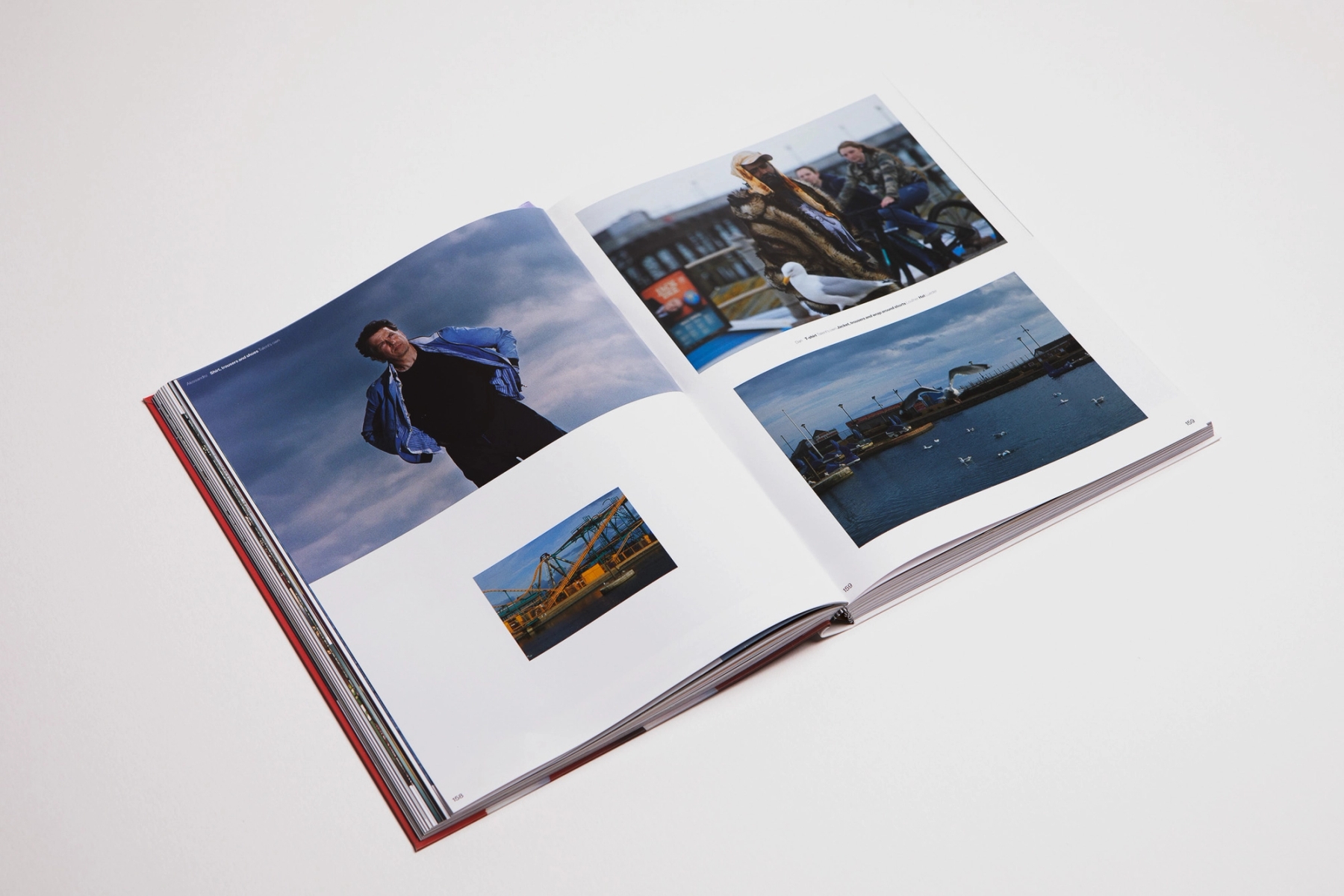
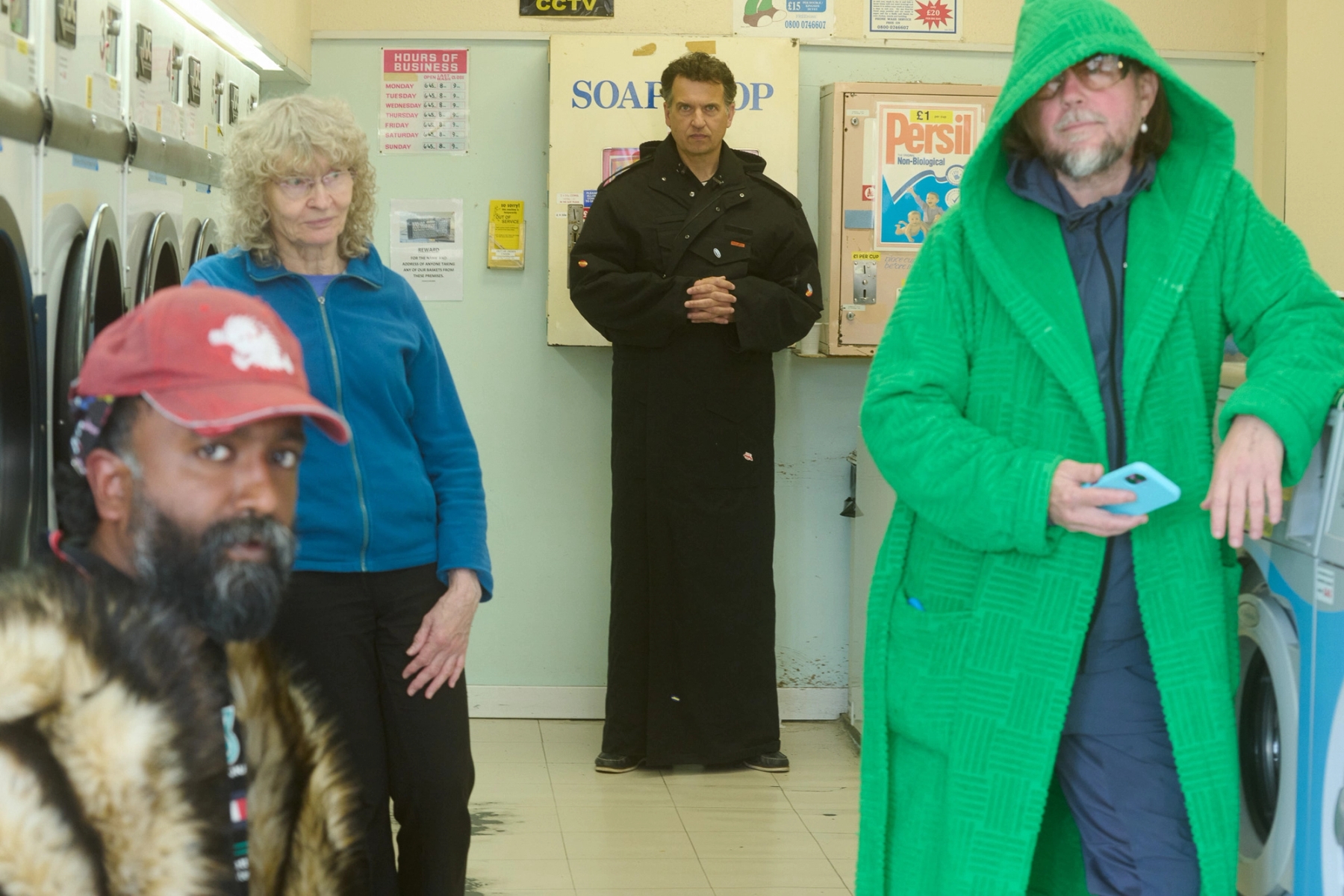
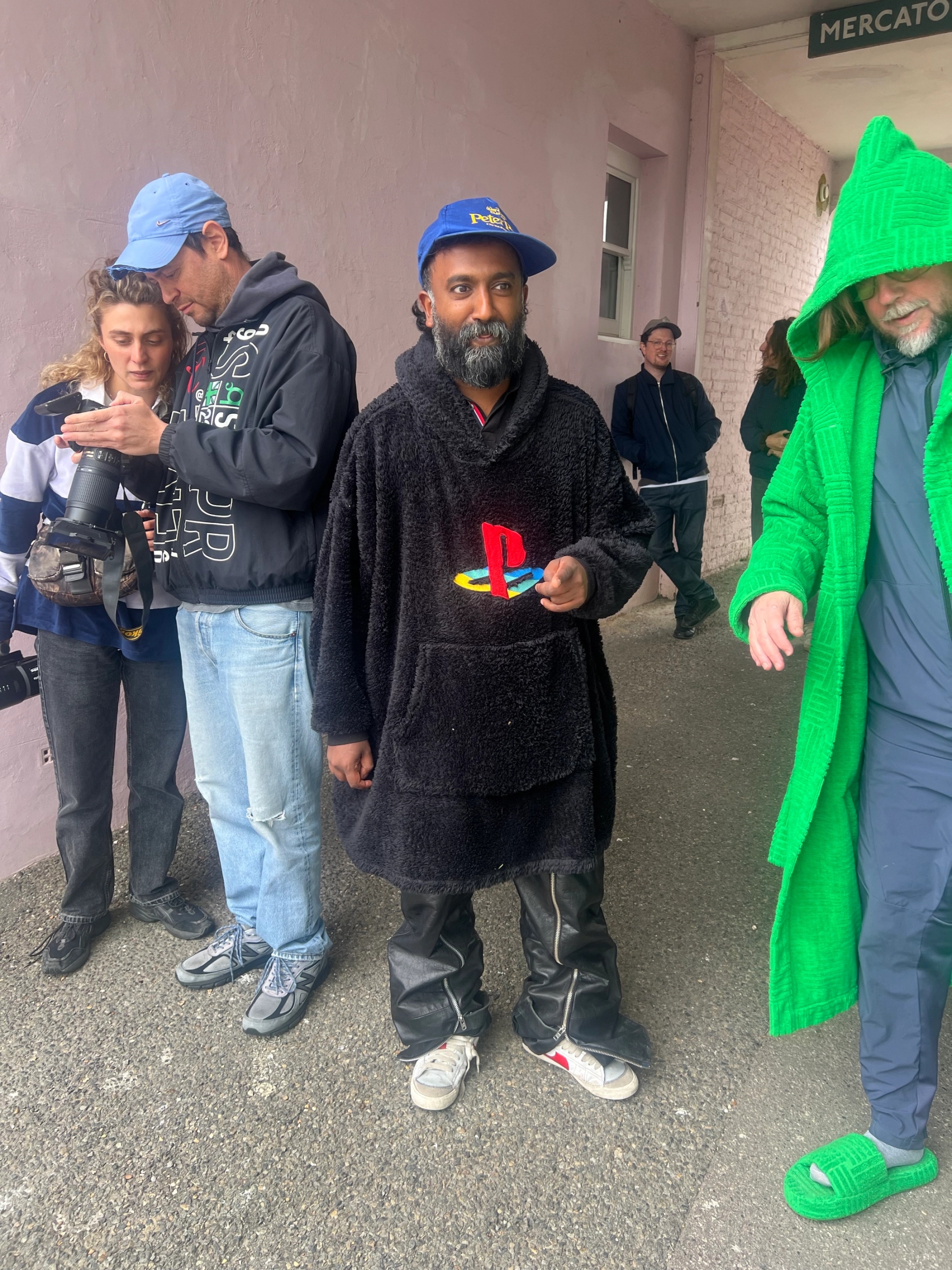
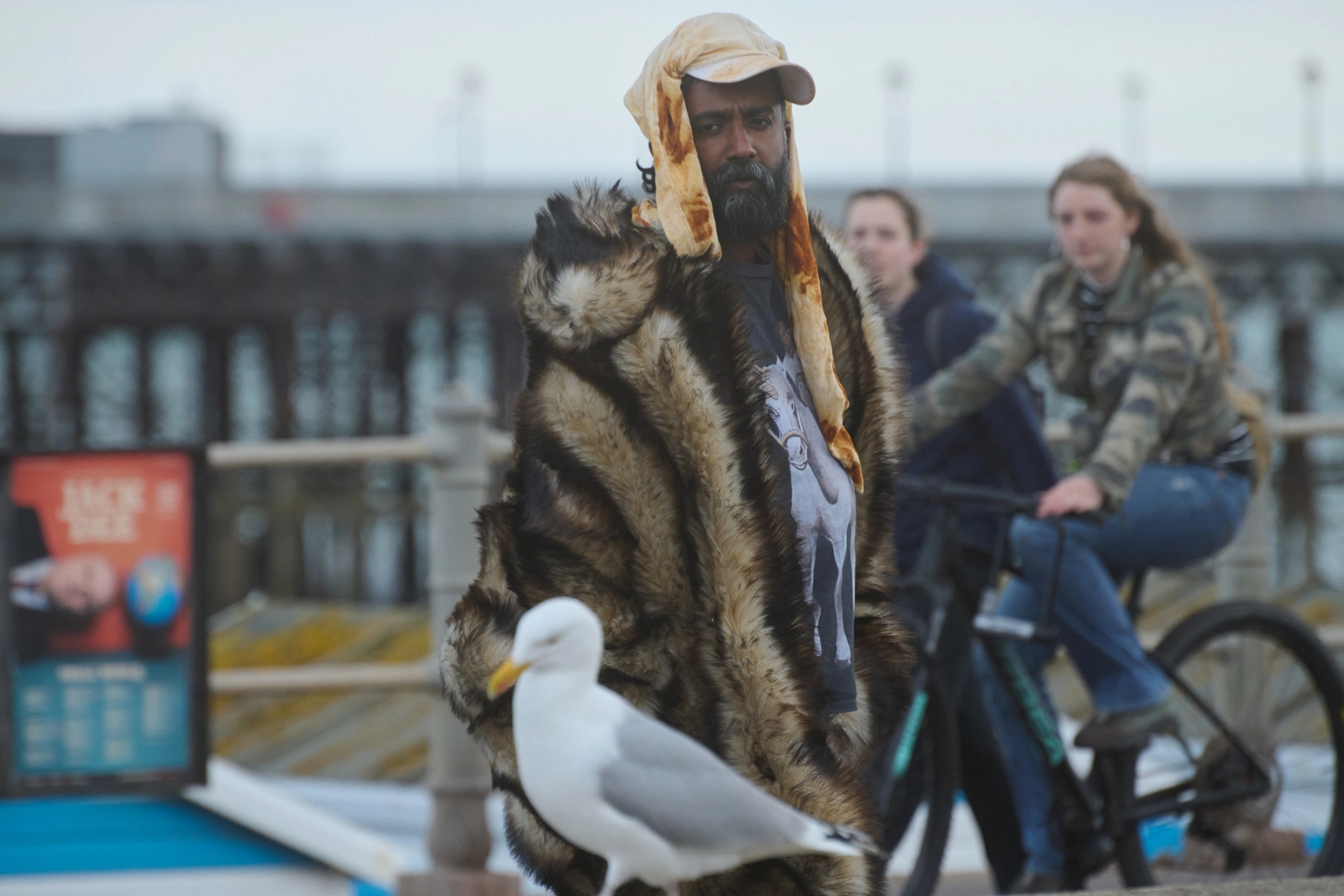
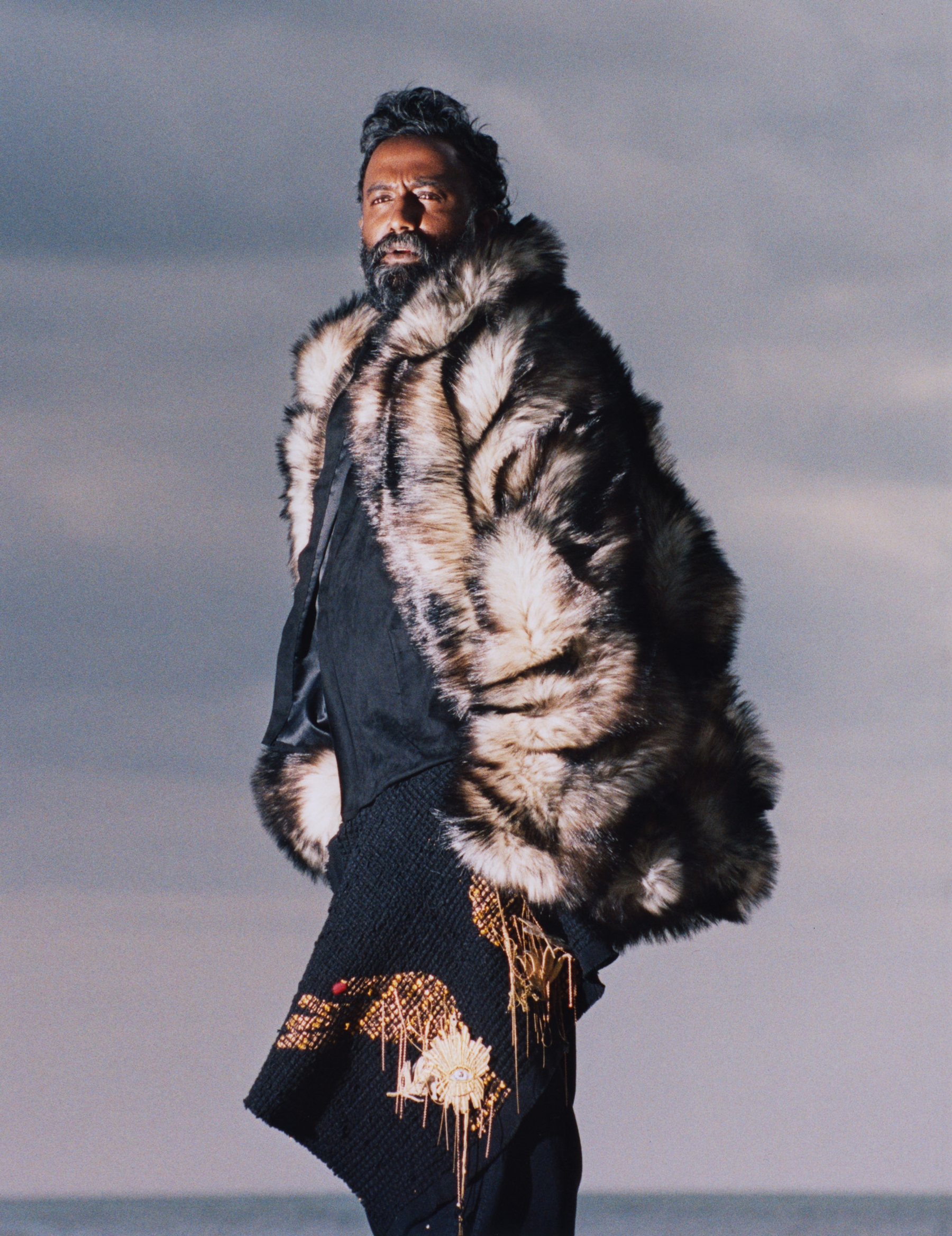
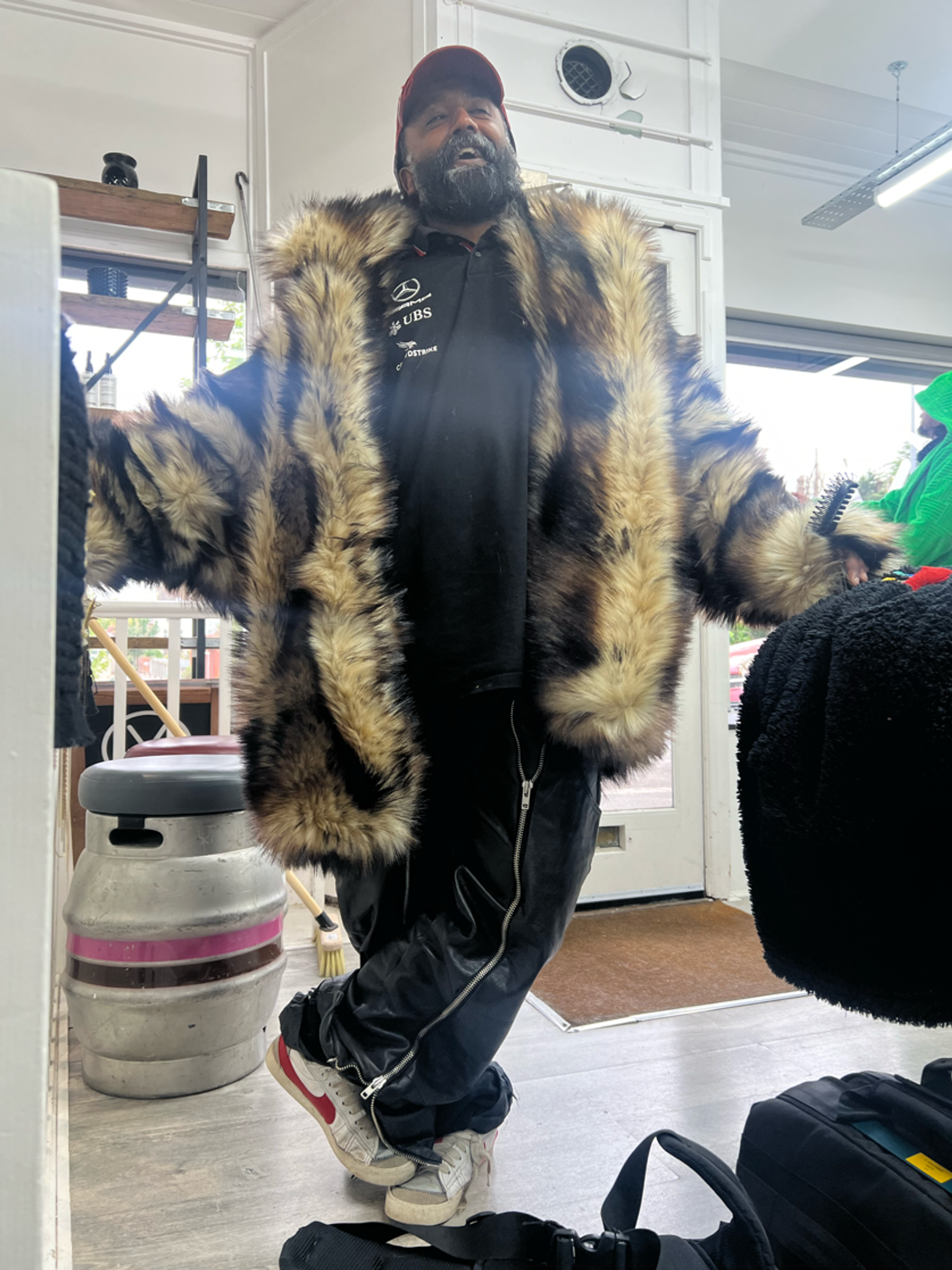
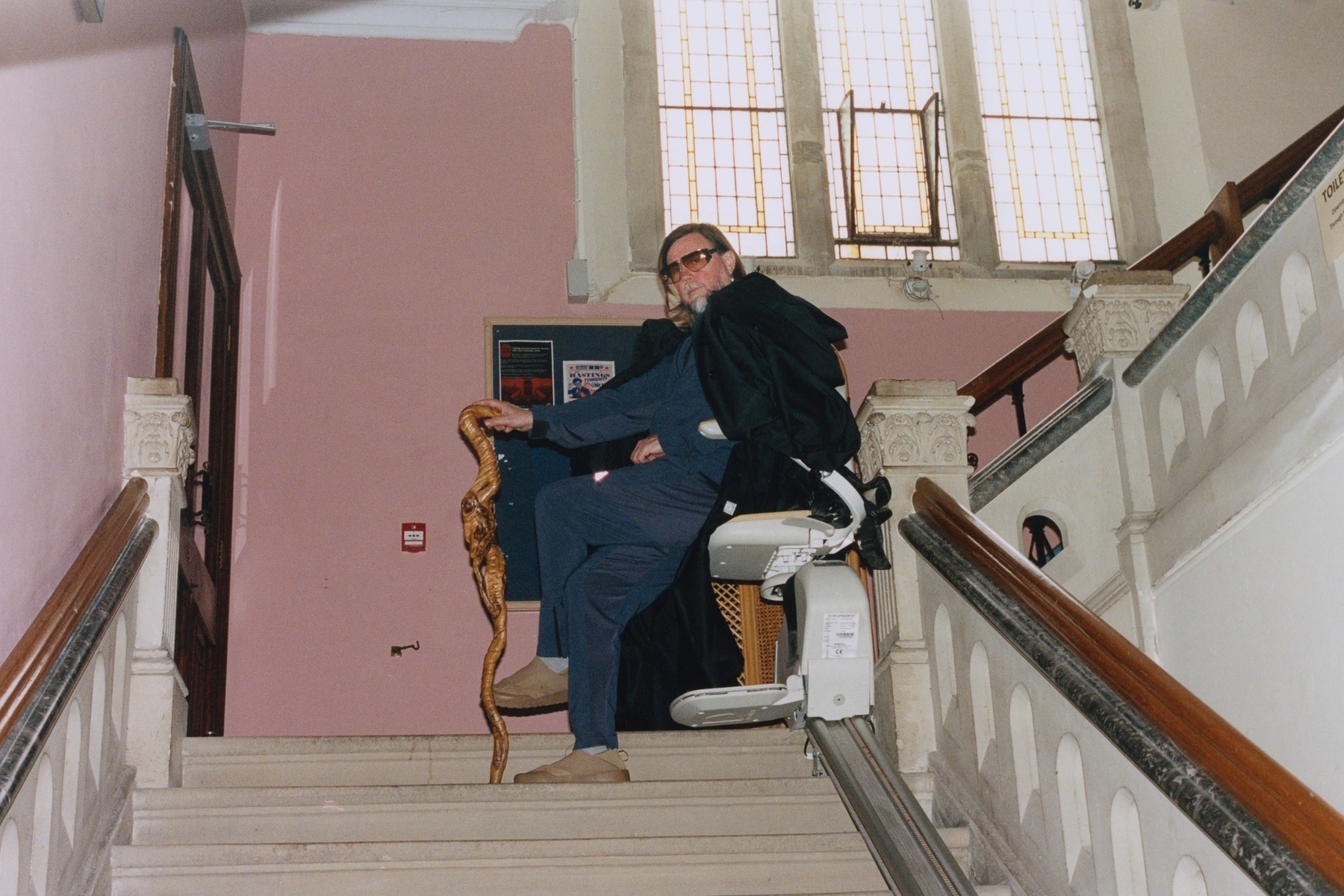
The exchange mirrors the images made with Francesco Nazardo, and vice-versa. The three artists wander along the beach and through the quiet streets of Hastings - site of the 1066 Norman invasion - dressed in carefully chosen garments, carrying small, ultra-deliberate attributes co-orchestrated with Celestine Cooney. They appear both composed and searching, part myth, part misfit: un-registered figures; children momentarily displaced from time. Composed and searching.
The setting feels apt. Each of the three was born in a port town (Nassau, Ellesmere Port, Margate) places shaped by tides and departures. That sense of flux runs through their conversation: Drifting between the intimate and the philosophical, lingering on ritual and artifice, on commitment as a form of faith. They speak of domesticity and the priesthood of art: of being fully present while attempting to make work that resists time; of channeling icons, transmuting class, inhabiting illusion.
The discussion repeatedly edges toward what cannot quite be articulated: those qualities in art that resist explanation yet insist on being felt. At moments, another temporal layer surfaces: the past appearing in the present, a hint of something not yet formed. Sirens?
Watersigns / Priesthoods
Dan: Did you know Dan Graham was astrology-obsessed? He memorised everyone’s birthdays and would give readings at gallery dinners. When I was born in Margate, my family had an astrologer in Sri Lanka draw up a lifetime chart as a scroll - something I only discovered later. Growing up, astrology just seemed like camp TV spectacle via Russell Grant. I came back to it through my friend, the filmmaker and astrologer Margaret Haines - a Libra who, tellingly, hires a disproportionate number of Scorpios on set. At a moment when identity frameworks - class, race, gender - began to feel both necessary and exhausted, astrology appeals because it’s a complex system that’s also super basic. It allows you to unshame parts of yourself, to say: this is my Gemini side. And beyond birth charts there are event charts - JFK’s assassination can be mapped astrologically just like a person’s birth. In that sense, eventhood and selfhood become interchangeable. It offers a way to see oneself as part of a constellation: mutable, relational, contingent - shaped by others and by atmosphere as much as by essence.
Did you know Dan Graham was an astrology obsessive? He knew everyone’s birthdays and would give people readings at gallery dinners.
Alessandro: Do we get along astrologically?
Dan: Well, we are each water signs, so when the three of us are together there’s a balance. I’d say I'm pretty typically Scorpio, you know, a little bit goth at times. Alessandro, you're emotionally intuitive which is seen as Piscean. Mark, would you say you’re typically Cancerian in terms of your practice?
Mark: I definitely have Cancerian traits, big time. Home loving. My studio is basically in the kitchen. I can't bear the idea of going out of the house to work. I build my world and dwell in it, but I pull people in when I create. When I was younger, I used to feel very ruled by the moon; my moods would fluctuate with it. A full moon would feel… Strange.
Dan: I started to really feel the moon, since I lived in Iceland, the moon and the sea felt very linked and close. I feel very amped and focused on a full moon..does that relate?
Mark: No, I'd feel kind of discombobulated. Not quite myself, right.
Dan: Another Cancerian trait is constant pace and long term vision… Would you say that fits you?
Mark: That’s interesting, I think it's hard to be an artist and think long-term. You have to feel the moment, there has to be some “stupid” in what you do. If you try to organize it, you become a critic. It's all in, isn't it?
Dan: I think there’s the tension, there’s this expectation that artists are some holders of visions from a distant future.. But then you can’t predict or plan it, you have to immerse yourself in the now. It’s not the ego that drives that it’s devotional practice, it demands a vow of sorts.
Mark: Well, if you have a kind of priest caste - call them fucking eunuchs - who are all pampered. Everything is given to them in the service of making great art, that will probably produce great art. I kind of like the idea of certain people being nominated to be in a priest cast. I don't really have a problem with that. And the problem was, more was that it was just a certain part of the population. If that expanded, right? So it wasn't just old white dudes.

Commitment / Debasement / Magnetism
Dan: Mark, I think both Alessandro and I met you during two of your performances in London a decade apart… When did you guys first meet?
Alessandro: I saw you - was it in Brixton? Did you perform at Dogstar or somewhere like that?
Mark: Oh, with donAteller (also known as LondonAtella, 2002)? Yeah with Ed (Laliq), Bonnie (Camplin) and Enrico (David)… yeah at the 414 Club. That was the first time you saw us, right.
Alessandro: That was incredible. I didn’t want to go - Catherine (Tate curator Catherine Wood, Raho’s partner) said it would be great - so I went begrudgingly. You had a big trench coat, big hoop earrings, Ed had hot pants, and you were singing in a kind of degraded way but with a deafening bassline. I just felt… Wow. You really committed. I remember some record label guy from, Ministry of Sound, or something was there - they hated it. I was pleased to be part of the art world that night; the A&R people didn’t get what you were trying to do.
Mark: We weren’t good, but we were committed. When I lived in San Francisco in the 90s, I remember seeing a drag troupe, The Fish Sticks, perform Four Non Blondes. They just inhabited the song - it was their song. I remember watching them thinking, “This is how you do it. Your intention is everything.”
Dan: I’m obsessed with karaoke for that reason. It’s about commitment.
Mark: And when it’s total artifice, the higher the artifice and the greater the commitment - that’s the sweet spot. That’s the hot sauce. Seeing a tatted drag queen do that was amazing. That’s what I wanted with donaTeller. Straight drag.
Alessandro: For a long time, the contemporary art I was looking at was completely unrelated to the culture I was really consuming everyday, the actual culture I lived in. Art felt an emaciated space. It felt to me then, the first time the excitement of stuff I was really into was pulled into an art piece.
Mark: Yeah, I remember being terrified before the performances. Ed always puked.
Alessandro: Did he?
Mark: Yeah, we were so nervous. That’s basically where we were going. Music can be limited, but within that structure, you can do all sorts of things. I like pop that breaks down but still maintains itself. There’s a book I’ve got, Camp: The Lie That Tells the Truth…
Alessandro: Yeah, that title was originally a Picasso quote.
Mark: - That should have been the motto of donaTeller.
Alessandro: You bootlegged loads of pop songs.. I remember you doing All Saints’ Never Ever, singing in an offkey, strained way. We often forget pop content is about a desperate emotional state – like the lyrics are a desperate plea – but the pop machine packages that in professional and composed tunes. I remember, Ed was in fishnet tights, and makeup. His rawness abased the original record, but that brought it to the truth of the lyrics again. And in a weird way that uplifted the material. I loved that. It was artistic. You did again playing that really minimal twisted version of George Michael’s Wake me up before I Go on your NTS show.
Mark: I did that one for you.
Alessandro: I always wanted an artwork to mean as much to me as Careless Whisper did when I was fourteen years old. It was total artifice that moved me deeply - in the video George Michael is living in Miami heartbroken - my memories of the 80s were mostly something fake drenched in real emotion - the opposite in feeling to documentary. I felt these things without fully articulating them - As I got older and I started to understand it, and that figurative painting operates in a similar way… If it's successful it's an illusion that conveys a real emotion. Retrospectively, I also realised George Michael’s haircut in that video was a work of art, just like Duchamp's Fountain.
Retrospectively, I also realised George Michael’s haircut in that video was a work of art, just like Duchamp's Fountain.
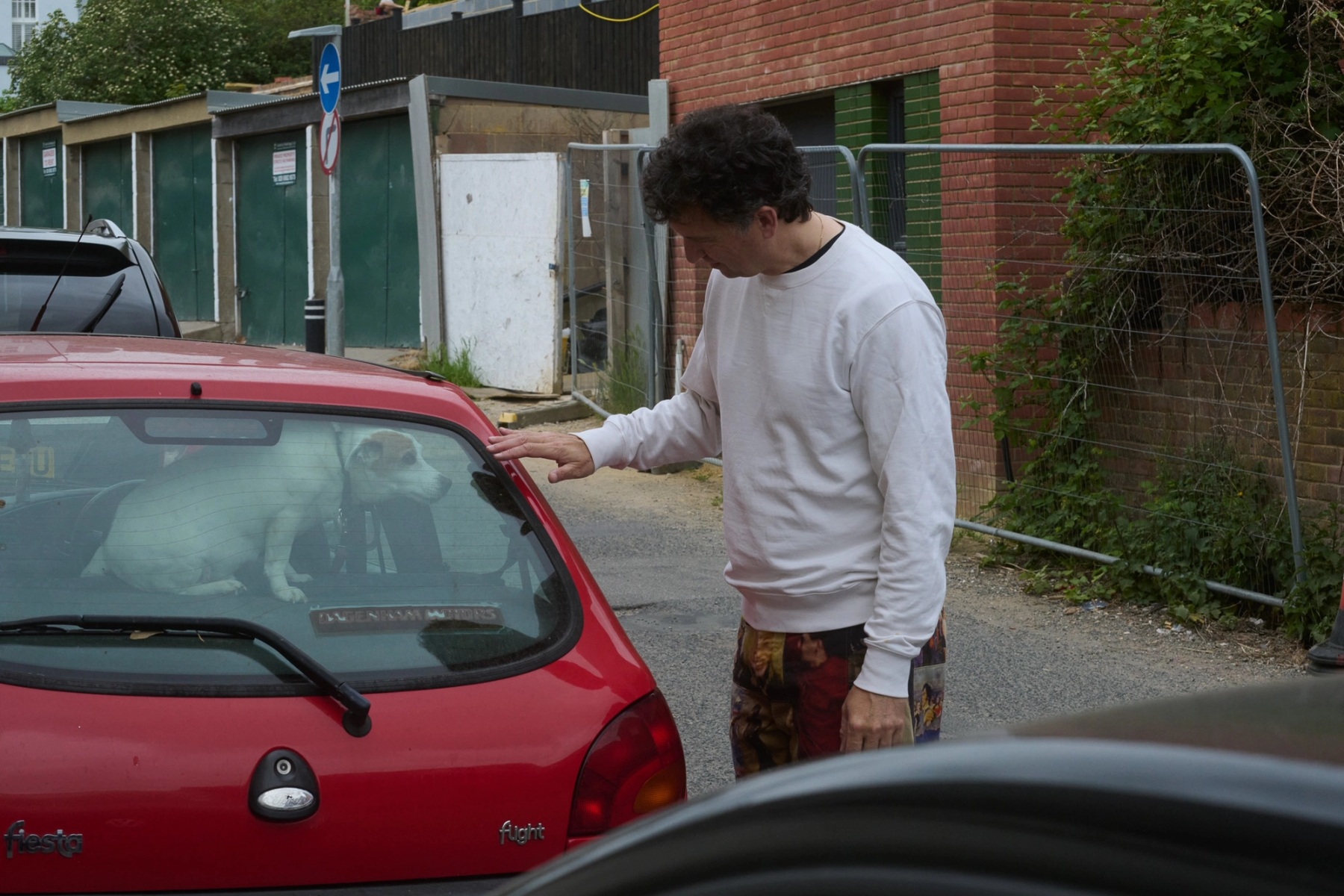
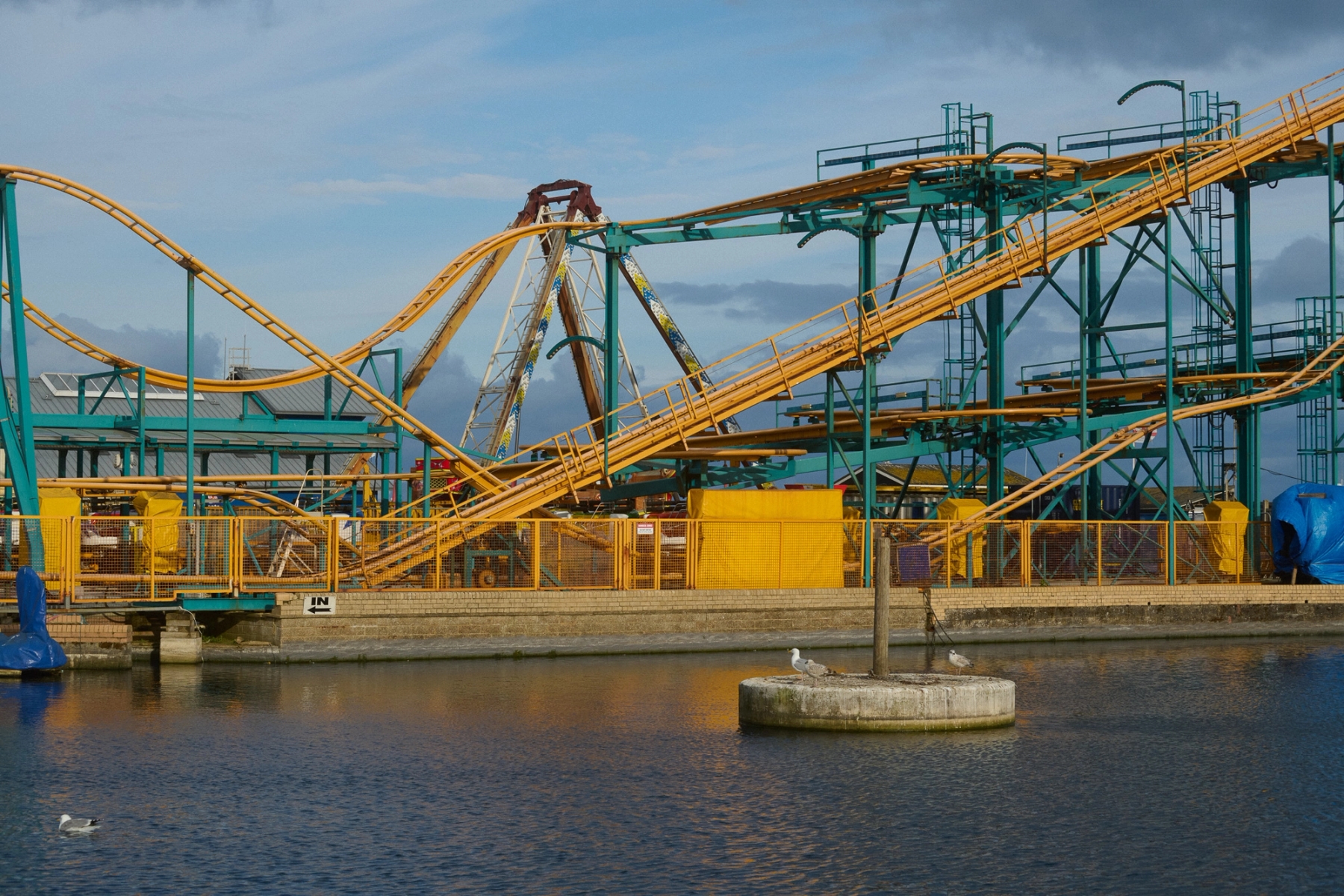
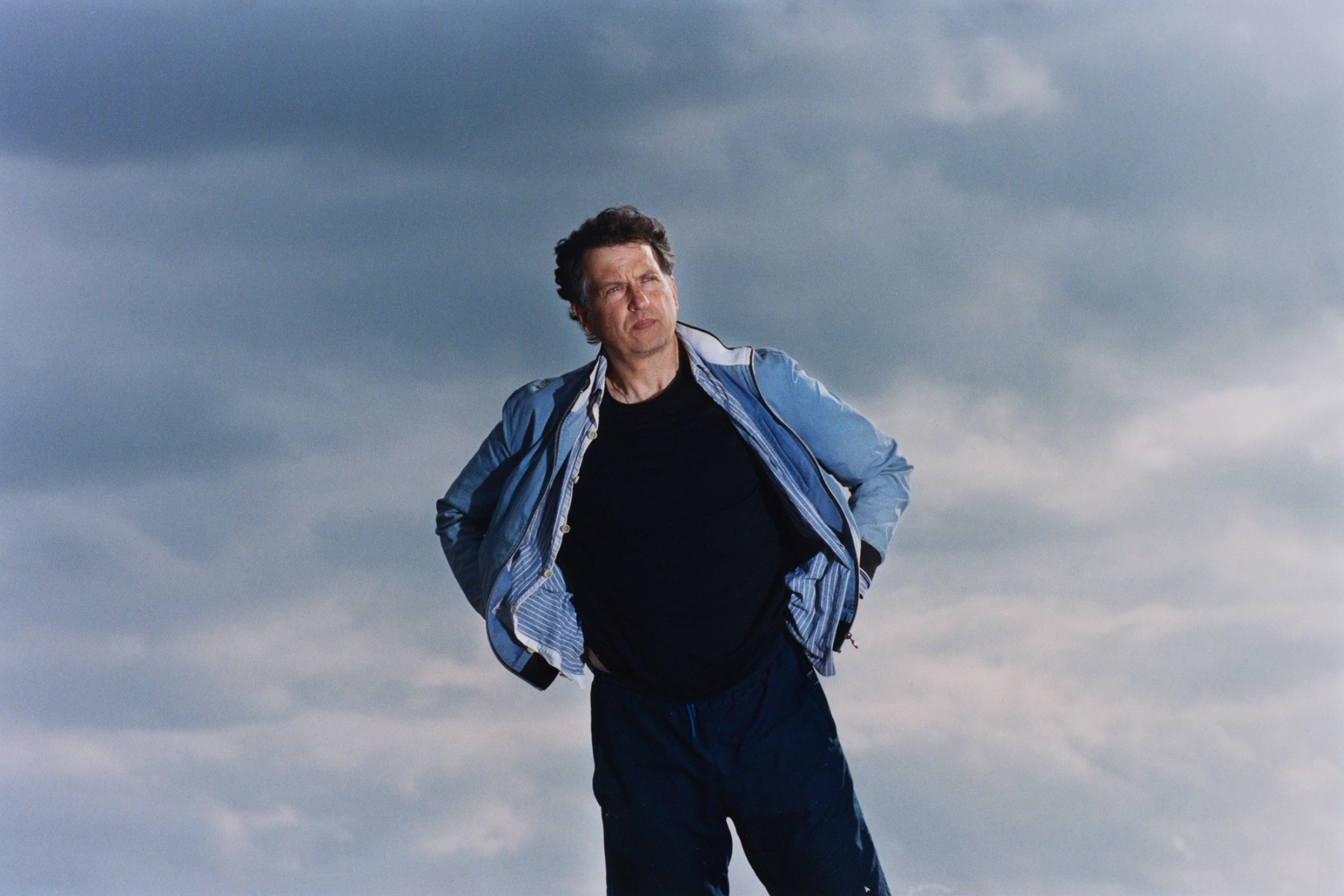
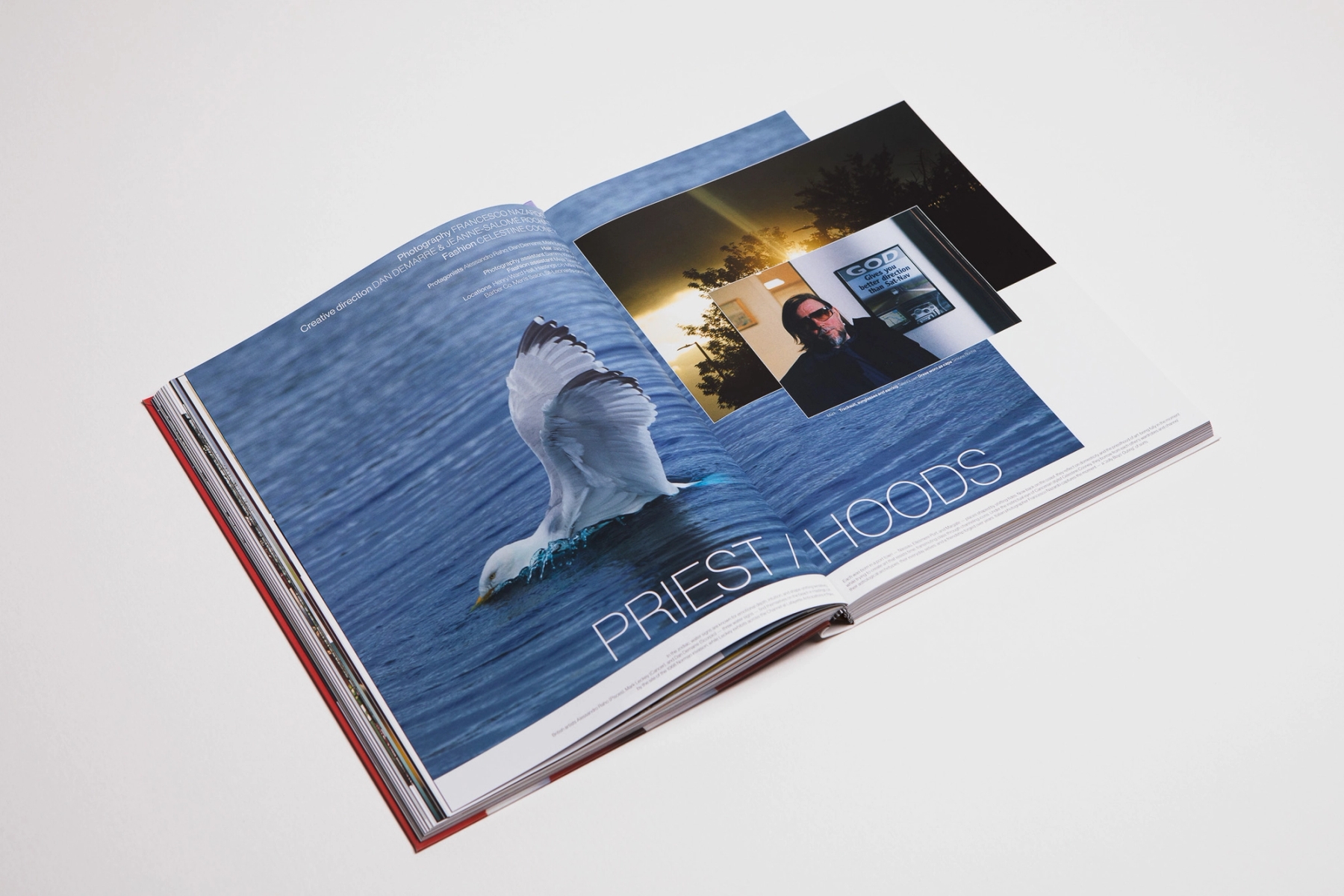
Dan: I discovered a film in my twenties before I went to art school, Lindsay Anderson’s If, a sort of fantasy film about four teenagers blowing their boarding school up. They wear pinstriped uniforms exactly like I had to. And this scene where Malcom McDowell’s character gets caned viciously by his school masters. His mates are waiting for him outside listening to him to see if he winces… but he withstands it. Once the punishment is over, he pulls his trousers up, kicks the door open, grins - and despite the glint in his eye, throws this look of absolute confidence to his mates. He claims the debasement as his own, turns it magnetic. There was something electric in that moment, like a switch flipped - the sense that experience can be retroactively claimed as art. It’s about casting the right look, the right energy, and transforming a situation.
I’m always trying to channel that scene - that liminal space where reality tilts into performance. It reminds me of the first time I met Mark in 2016, at Cubitt Gallery during Exorcism at Eastham Rake. The place was packed; I thought I’d only stay a few minutes. I think you were wearing turquoise…
Mark: I had a long sleeve T-shirt.
Dan: And an Aquascutum trench coat…?
Mark: Yeah
Dan: Anyway, I approached to thank you for the show and we started talking. A few minutes in, this little kid came up pulling on you (a young April Leckey, the artist’s daughter), grabbed you behind you and handed her a bottle of water, not breaking the conversation for a moment. Then a minute or so later, you excused yourself as if you’d forgotten something, a snack for your kid, and instead found a microphone, flipped on a back track “Out Demons Out!” - That was such an almost overwhelming, full moment, these layers coalescing - being a bloke, being a toddler-dad, being a bridge-exorcist simultaneously. That was good.
Mark: The first time I remember talking with you properly was at the Royal Academy in London.
Dan: That would have been in 2017, I had actually intended on going the day before, for the opening, but I had a fraught tiff with a friend who was in the graduate show, who makes cool detached conceptual art. Kanye’s Ye had just come out, so I had been listening to that on repeat. I literally felt hot from it. I went the day after and you were there.
Mark: We just ended up walking around the show and started talking. You said something about works being shown at the time not being metabolised—it stuck with me.
Dan: That’s the difference between an artist and a designer—you can train people to make stuff that feels like art and that has a cool distance to it.
But the psychic burden of the artist is that those impulses and messages really come through your body, you have to withstand that… you have to feel it.
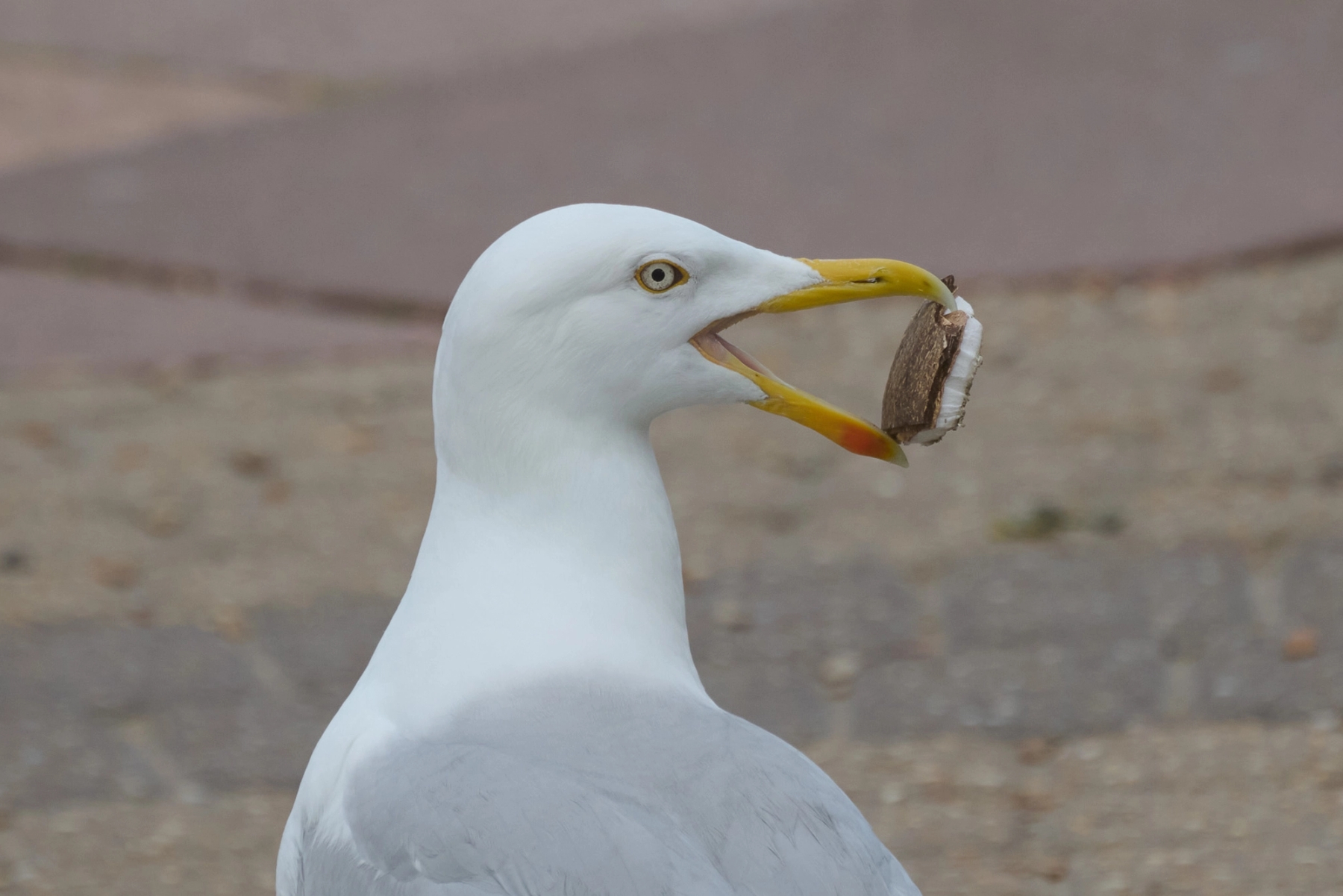
The parrot can't enter the discourse
Mark: I think it was very good for me, teaching.. It was like it took me out of myself, and, you know, when I'm on my own, I can have a tendency to get quite… gammony, you know what I mean? And just, you know, to be in a conversation with them is really fucking good for me, you know what I mean? I get conflicted about it too. Because I think there's something about art in teaching – also in a kind of space that you're involved in. And to see things happen there and be part of it is wonderful, right? But often it's got nothing to do with the kind of art I really want to see.
Dan: Since moving back to the UK, and opening a space on the ground floor of my house, I’ve been thinking about that a lot. Some artworks are critically great but have a difficult aura to live with. And it's sort of interesting, that thing of what you think is art's role as well. Is it to challenge?
Mark: I’m not sure about art having to be challenging. I remember someone coming into one of my MA classes once with a painting of a parrot. Right. So this is like, this is the beginning of the term and this is supposed to be, you know, postgrad, serious art. Anyway, one of these students came in with a painting of a parrot and it was great. There was something really magical about this painting. It was just a strange, fascinating painting, but you couldn't really, couldn't really say why.
It was just like, it just had some effect, you know, some quality. But of course, no one could talk about it in this group. No one had words to describe it... Even I couldn't talk about it. I was just saying: that's a great painting.
And, as the class went on, you could just see the student get more and more dejected and slumping in their chair.
Dan: But did they carry on painting like that?
Mark: No, the next week they turned up with an installation about absence and presence, and everyone could talk about it, so that's what they ended up with. The parrot couldn't enter the discourse. It resisted the discourse, which was why I liked it.
Alessandro: That says so much - about the things that we can and can’t talk about. I was obsessed with Morandi's touch and feel. And all the things you're saying are unnameable; You couldn't exactly describe it. Because nobody really can. Because that's what would be really thrilling.
Mark: And that's what I want from art - an art you can't name.
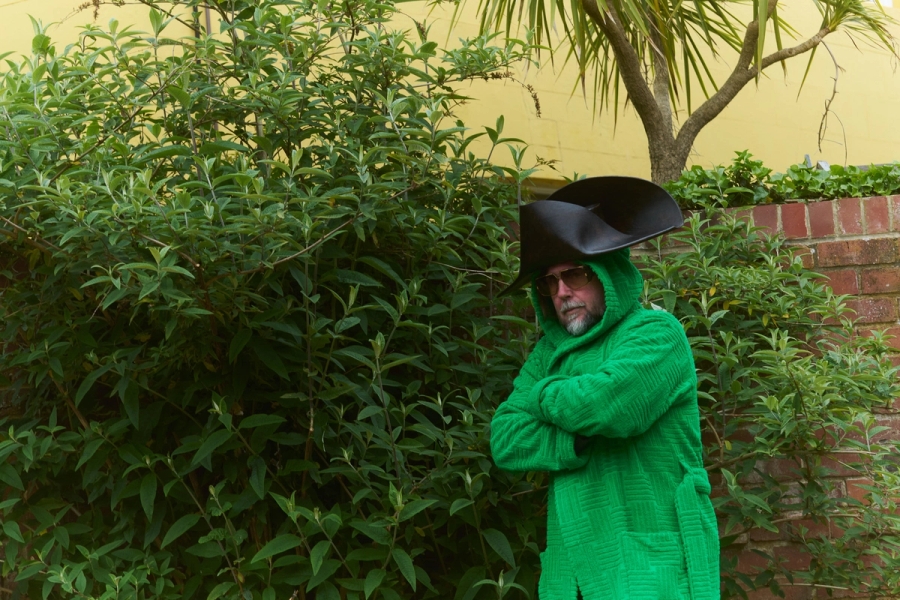
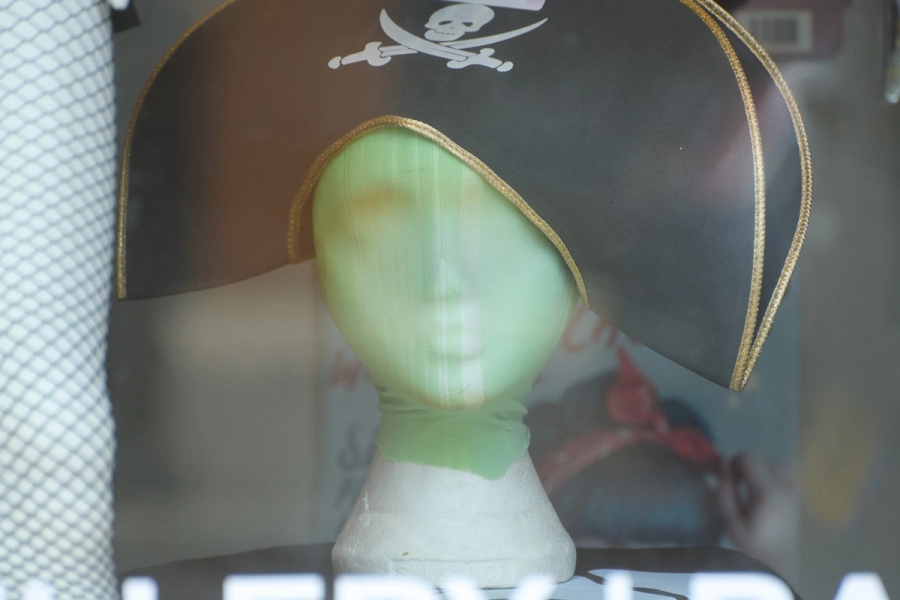
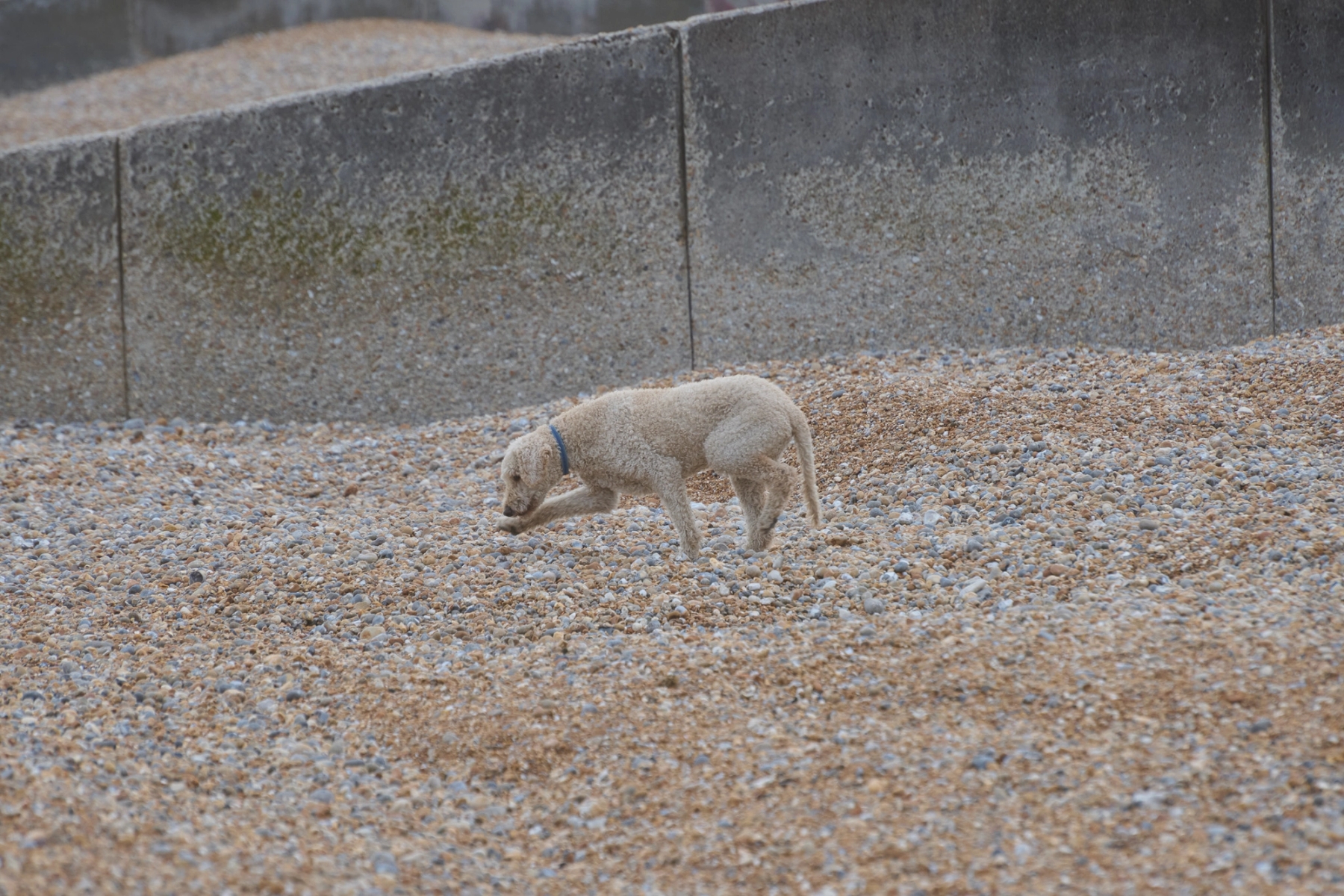
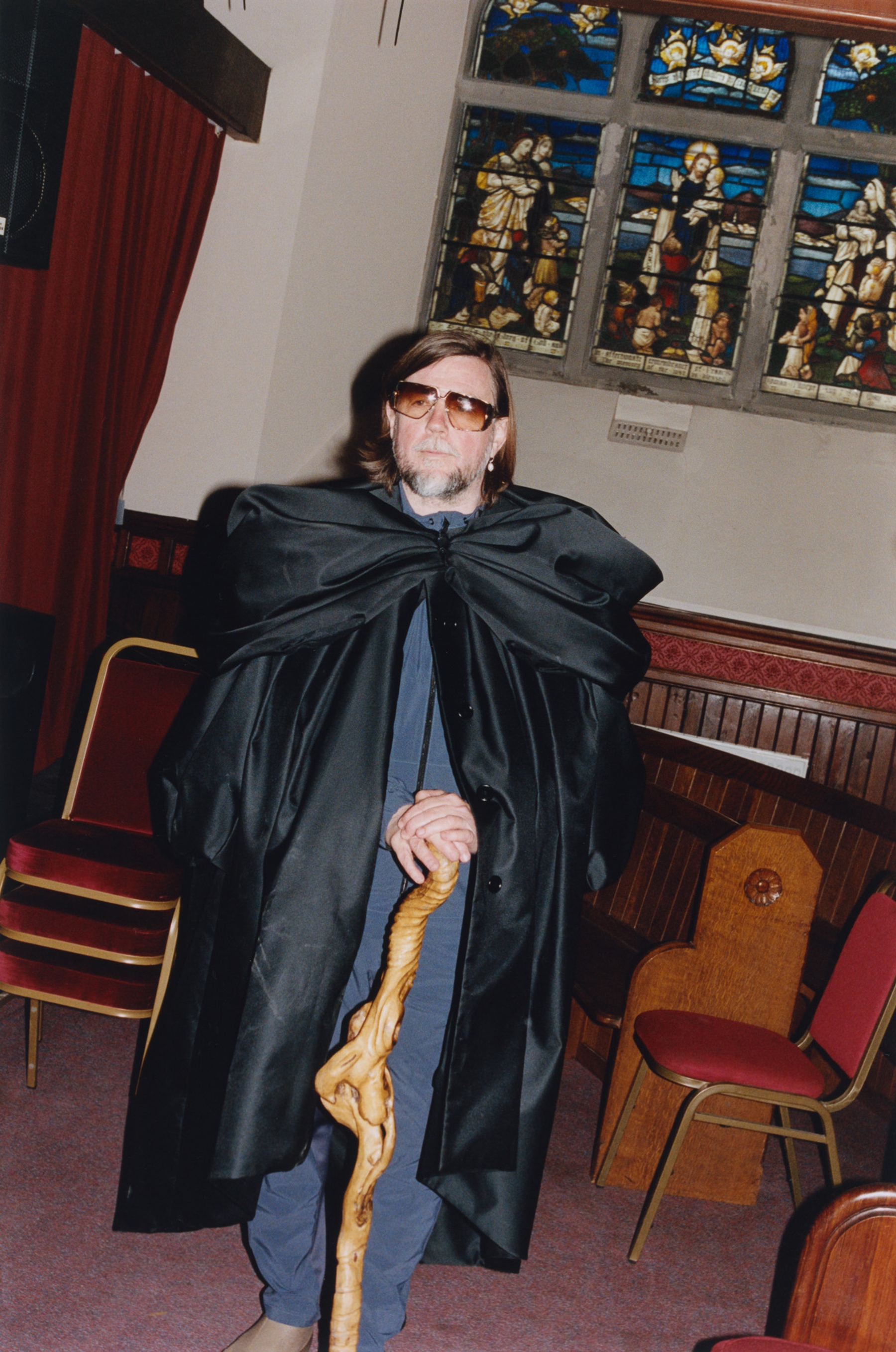
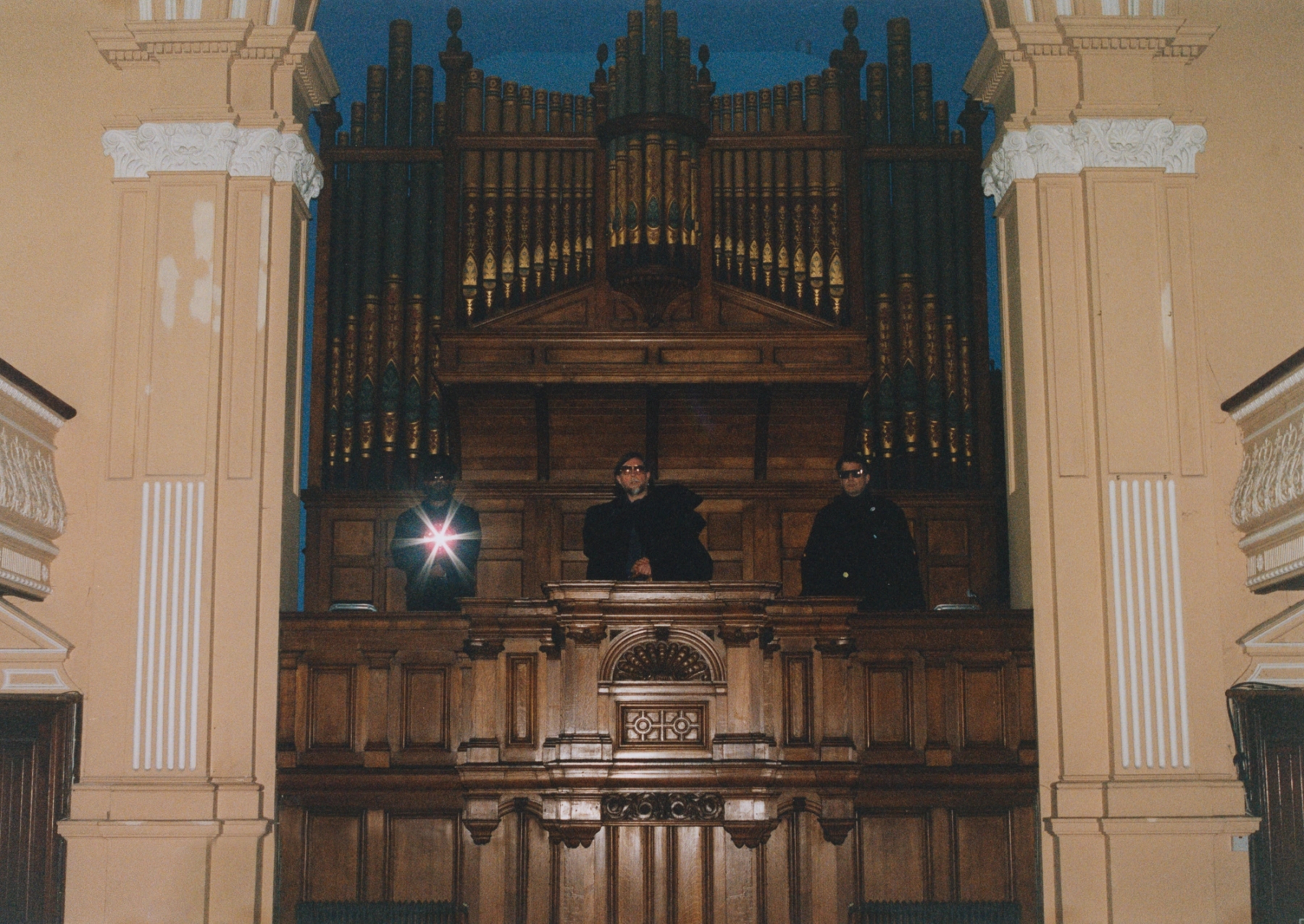
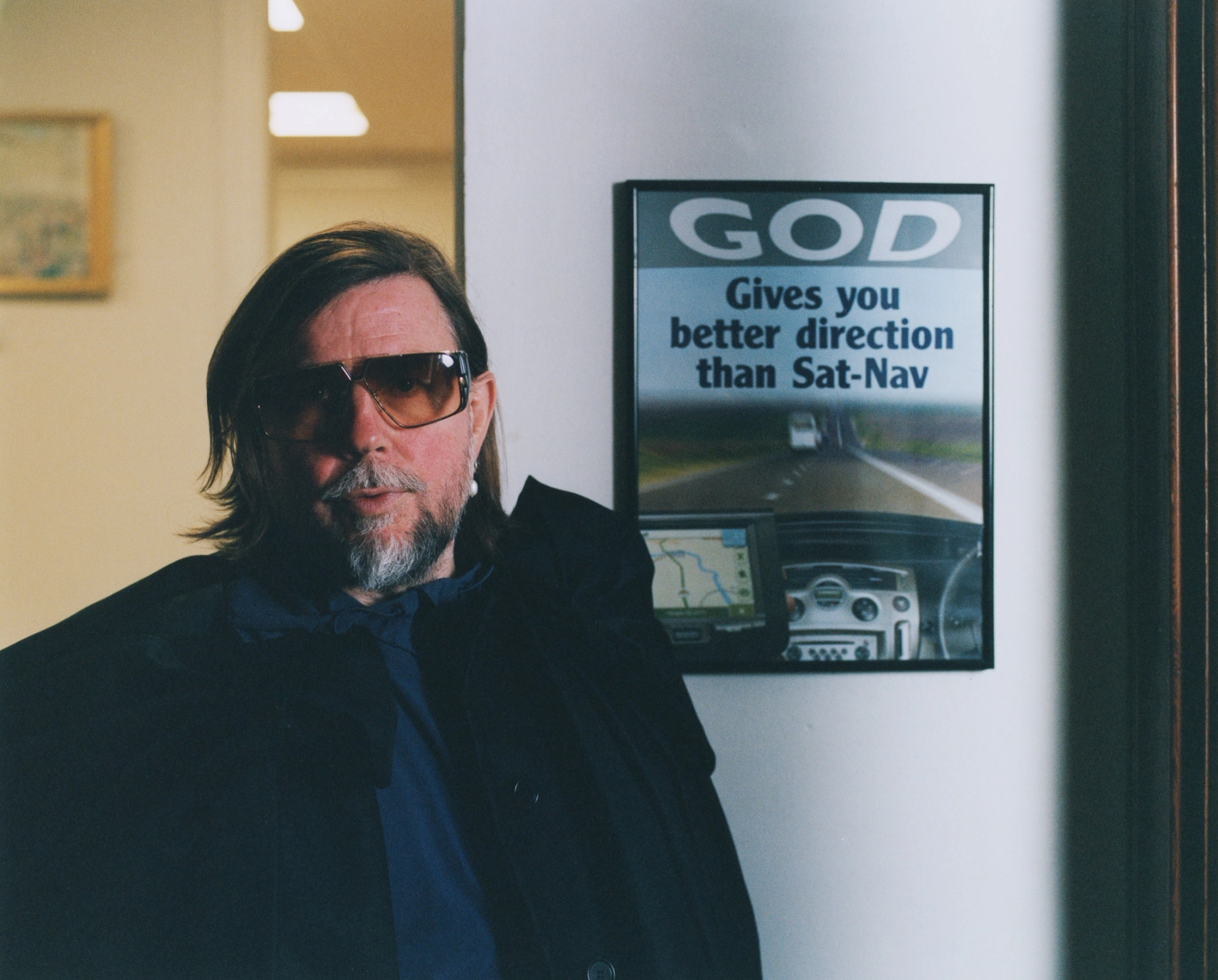
A people yet to come
Alessandro: Painting was designed to be something that was, you know, perpetually interesting to be looked at. That's its whole reason for existence. It's not imposed on you, those qualities it has are inherent in the oil paint..
Dan: Do you think video has a materiality? Mark, I remember the experience of seeing your show at Tate Britain in 2019, which had a span of your video works. I feel this thickness to Fiorucci (Fiorucci Made me Hardcore from 1999), it is almost like a heavy impasto.
Mark: That’s called analogue mate!
Dan: And then Under Under In (from 2019) had this zippiness to it.. From heavy to a lighter weight.
Mark: Zippy I’ll take that..
Alessandro: I feel Mark's videos have that painterly quality. The recent work where you get lost in Alexander Park, where you dazzle with this kind of glitter shot. Right. So painterly, you know, where it's like a kind of euphoria. You throw glitter in people’s eyes.
Mark That's my trick, It is, isn't it? I think there's something within Fiorucci that represents that transition into the digital. As soon as you see it, it haunts you because it's the texture of the past.
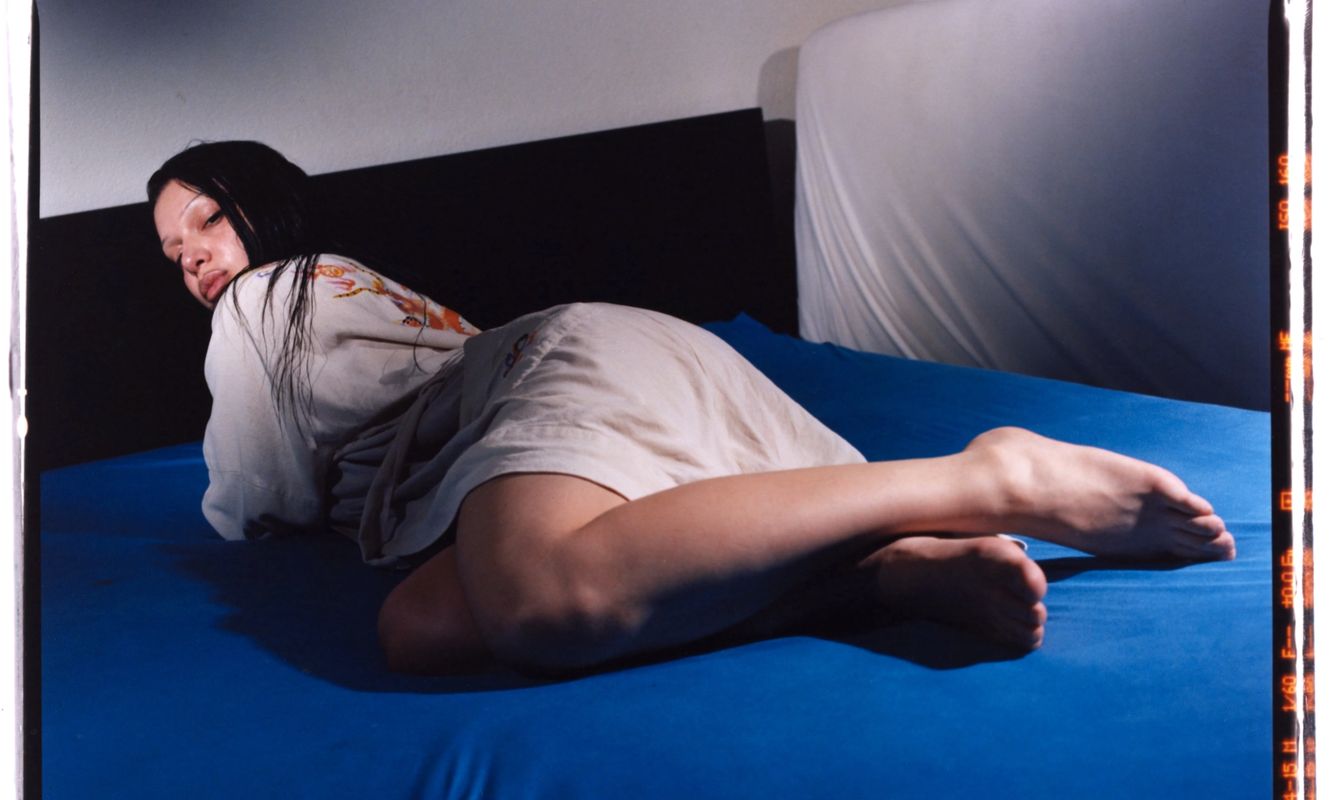
Dan: I mean, over at mine we showed photos from Pe Ferreira a trans artist from Brazil, born in 1996. A lot of her work is analogue photography of her trans mates. Like the portrait of her mate Azize. She’s lying on a beige leatherette sofa like in a Penthouse magazine shoot from the 80s. But it's a trans girl, and she’s got tights on that say “Drama” and “Power.” Very of now. I think Pe's impulse towards analogue is different from looking at archival analogue work. There's a heightened nowness because it collapses time.
Mark: I can’t remember who first started using it, but there’s a thing at the moment of shooting on old camcorders… but still shooting stills.
Dan: Yeah, like all the old three-megapixel stuff?
Mark: Exactly. And then the ones I’ve seen with makeup and everything feel almost alien. Using an old analogue kit paradoxically gives that alien quality, and takes it out of time - it’s not now, maybe not even the past, but could be of the future. There’s a futuricity to that transness - it just makes everything look of today look not now. Like this line from Deleuze: a people yet to come.