(LA)HORDE x Ballet National de Marseille Seen by Jerome Aaron Luginbühl
Photography Jerome Aaron Luginbühl
Interview Daniela Dos Santos Quaresma
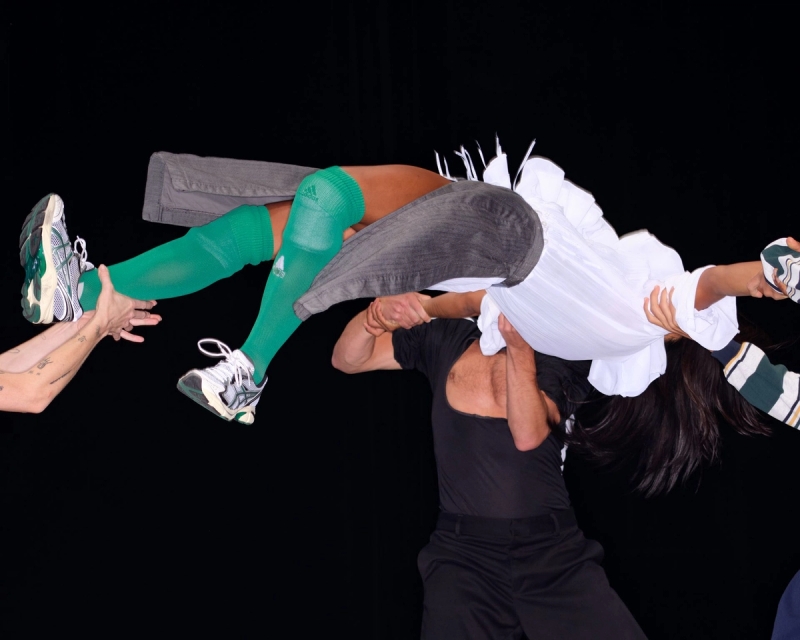
Dancers of Ballet National de Marseille: Nina-Laura Auerbach, Isaïa Badaoui, Alida Bergakker, Arno Brys, Isla Clarke, Pierpaolo Cosentino, Titouan Crozier, João De Castro Franca, Timothy Firmin, Myrto Georgiadi, Nathan Gombert, Jonatan Jorgensen, Nonoka Kato, Yoshiko Kinoshita, Dana Pajarillaga, Kevin Pajarillaga, Aya Sato, Gabriella Sibeko, Elena Valls Garcia, Nahimana Vandenbussche, Luca Völkel, Layne Willis, Lung-Ssu Yen
Theatres: Théâtre Equilibre, Fribourg, Teatro Argentina, Rome
(LA)HORDE, the Paris-based trio of choreographers Marine Brutti, Jonathan Debrouwer and Arthur Harel, have been shaking up the dance scene since they took the reins at Ballet National de Marseille in 2019.
Whatever the format, the body remains their central medium: the body, whether political or social, shaped by culture, desire, and the digital era. At the head of Ballet National de Marseille since 2019, (LA)HORDE’s practice has expanded into something both intimate and structural: a way of producing images, but also of shaping the conditions in which bodies move, work, and coexist.
How would you describe (LA)HORDE to someone unfamiliar with your work?
We usually say we’re a collective of three artists creating performances, installations, films, and pop shows. We work with many media, but our medium is dance and movement. Whether it’s a short film, a performance, or a large-scale ballet production, the body is always at the center, especially the political body, and what makes bodies move. Through this language, we’re questioning our humanity.
We’re somewhere between visual artists, performance artists, and directors. In English, it’s easier, the word “director” can encompass film, theatre, performance, and so much more. In French, everything is more segmented. Labels tend to fix things, and our work resists that.


You said something interesting there: the body as a language, and English as a language that can hold more categories in a single word. Does the body really have “one language”?
Does it, though? In terms of culture, identity, there’s such a variety in the ways we move culturally, politically. And there’s also this question of nature versus nurture, too. We find it fascinating because it is universal in a way, but not in an universalist way. It’s also very multicultural and diverse.
And because there isn’t just one language, you can create situations where there are dialogues, misunderstandings, but also learning. In ballet we have dancers from 17 different nationalities, and many different backgrounds, from different schools, or no schools at all. You can see that culture shapes the way people move, the way they dress the body, the taboos they carry, the boundaries they have.
We’ve also started working with an intimacy coordinator, to open up conversations about how meaningful the body can be, and how symbolic certain movements are, or certain zones of the body. We’re deciphering all of this together. It’s a never-ending source of discussion, because there is no common language that fully unites us.

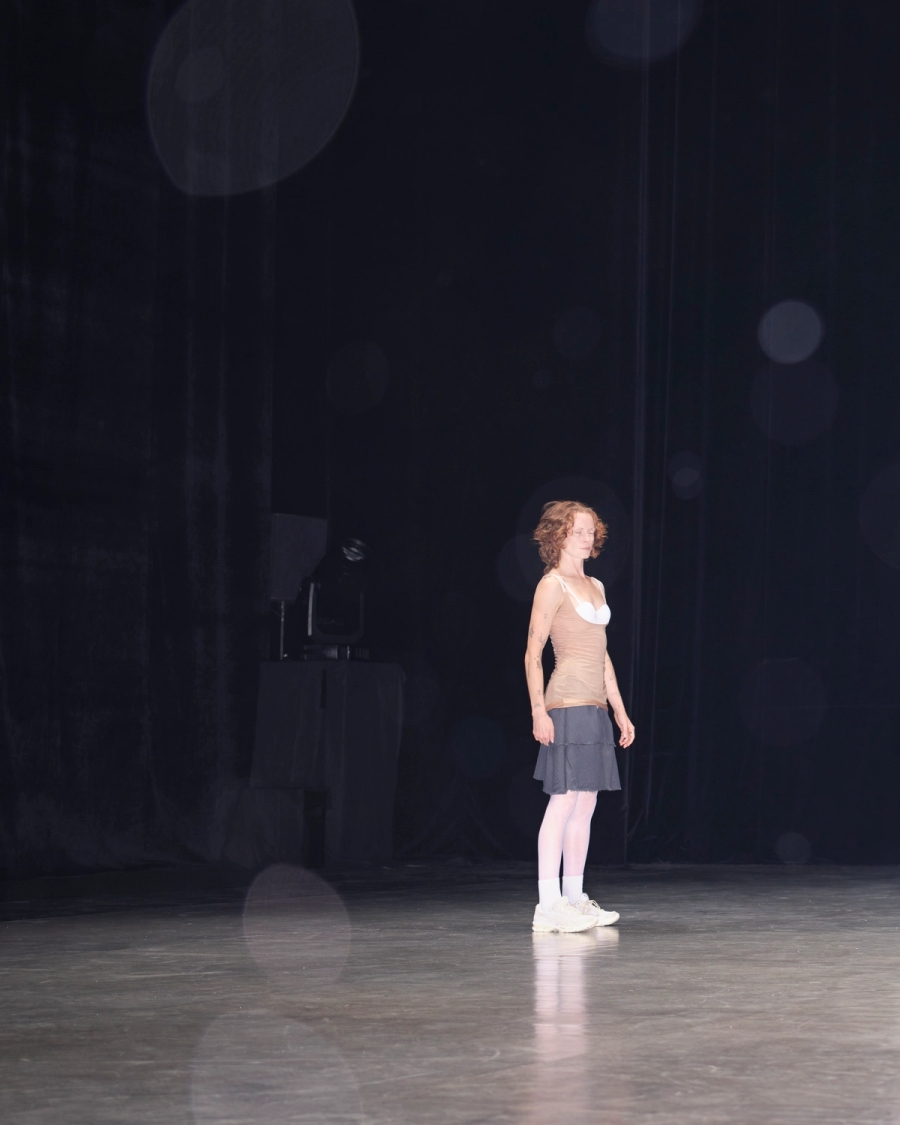
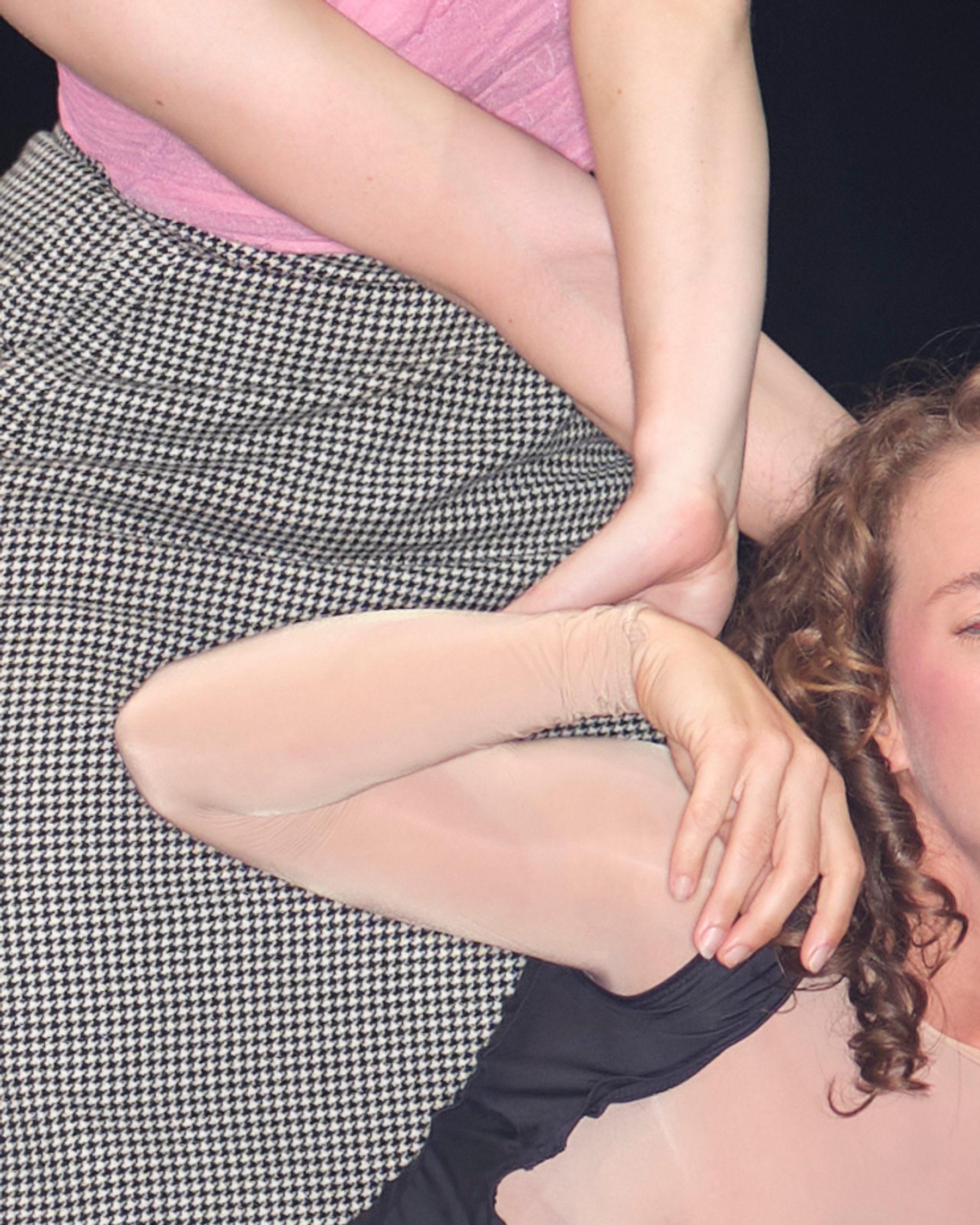
What changed between (LA)HORDE before and after taking the direction of Ballet National de Marseille?
Before Marseille, we were a collective of three working project by project. We didn’t have permanent dancers. Each project meant forming a new group, bringing together people with different backgrounds, united by a shared passion, dance, film, video. Alterity was essential. Collaboration was always about consent and exchange.
One of our first commissions involved working with amateur performers, seniors. That word alone raised questions. What does “senior” mean? In tennis, you’re a senior at forty. In ballet, at forty you’re often considered finished. Labels carry assumptions.
That project shaped how we work. It established a strong ethic: respect, collaboration, staying away from any form of exploitation. We weren’t “using” bodies, we were co-creating with them.
Later, we discovered jumpstyle dancers online, the Jumpers, through YouTube. That led to a European project spanning Ukraine, Poland, Hungary, Italy, Spain. We weren’t just interested in the dance itself, but in the social context around it. Many of these dancers were cis white men from deindustrialized areas. There was mutual curiosity, but also distance, especially because we came from queer environments. Dance became the common ground.
This work eventually led us to Georgia. While jumpstyle is not derived from Georgian traditional dances, many jumpers draw inspiration from Georgian folkloric references, particularly to refine their turns, footwork, and physical intensity.

While we were working in Tbilisi, clubs were raided by the government. These spaces were perceived as dangerous, and yet they brought together people from every background, students, workers, sex workers, rich, poor. In 2018, this repression sparked protests in front of Parliament. Music and dance became the form of resistance. It wasn’t an aggressive riot, it was bodies gathering, moving together. After several days, the government apologized and released detainees.
Suddenly, dance wasn’t metaphorical anymore. It was political reality.
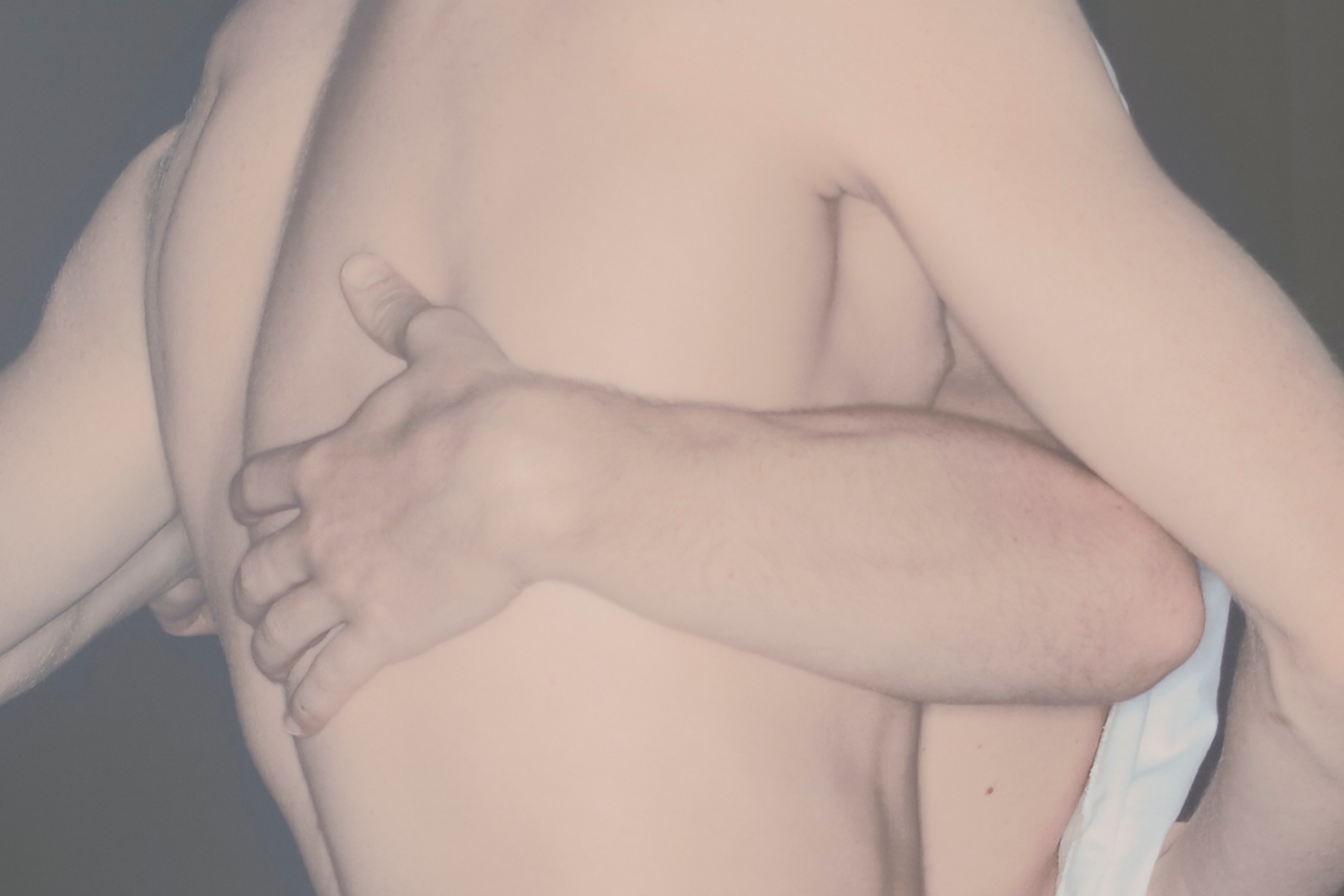
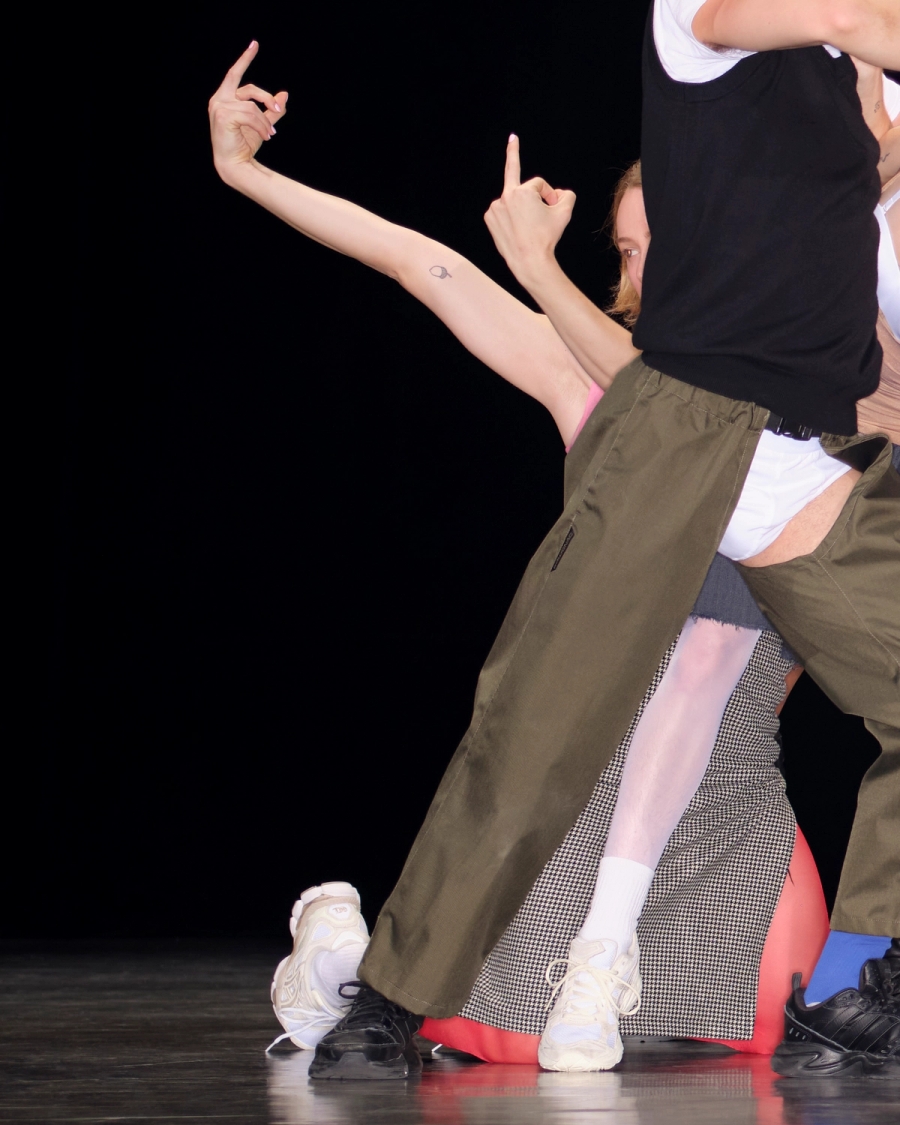
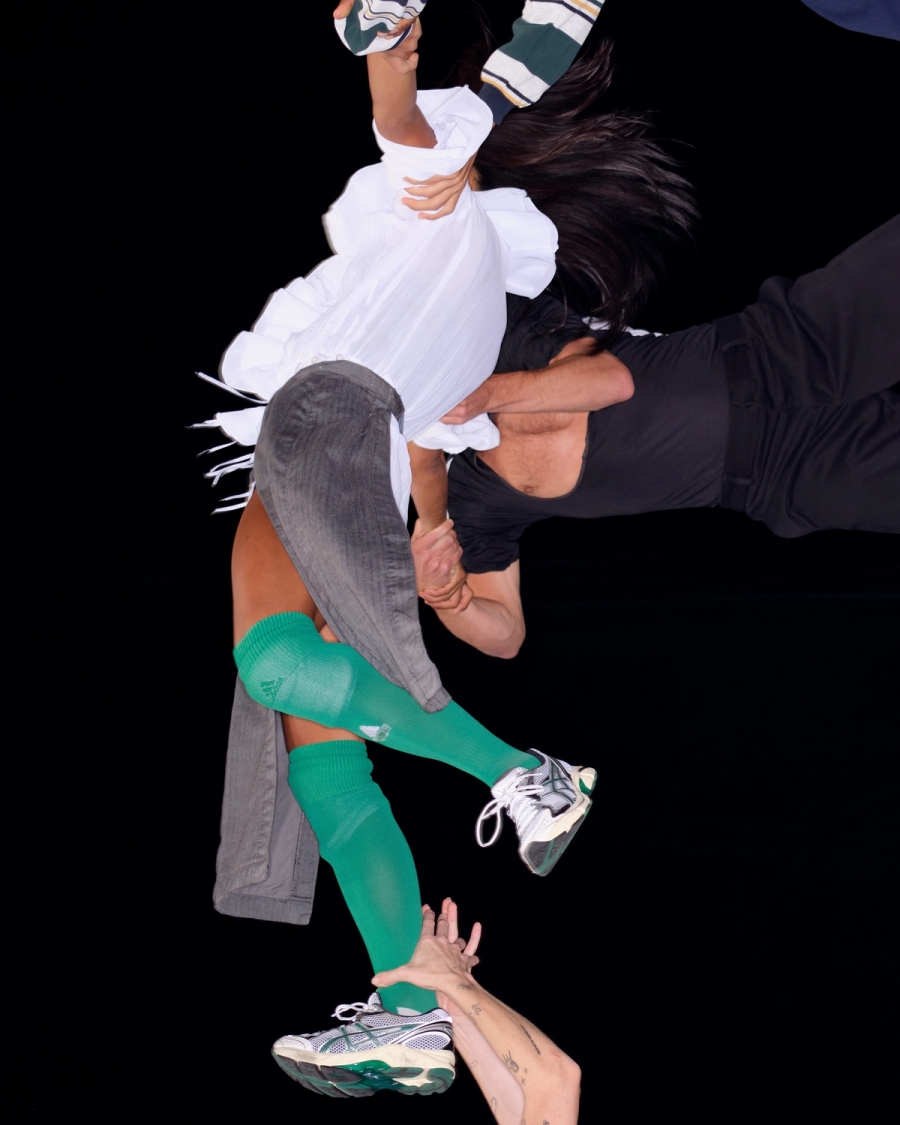
How did that experience affect your work once you arrived in Marseille?
Entering an institution shifted everything. We inherited a company with dancers already there, then auditioned new ones. The first phase felt like a convergence, all the different communities we’d encountered coming into one space. We asked: what do we share? What do we want our bodies to express today?
With Age of Content, created with Rone, we explored the idea of collapse, ecological collapse, social collapse, but also collapse as transformation. Collapse isn’t necessarily negative. Some structures deserve to fall.
Over time, the collective expanded. It was no longer just the three of us, it was the dancers, the administration, the technicians. The exchange became constant. The work shifted from traveling outward to meet the world, to reflecting on the world through the people now present in the studio. It’s a different energy. Not better. Just different.
We don’t think in terms of evolution, which implies that what came before was worse. We think in terms of transformation.
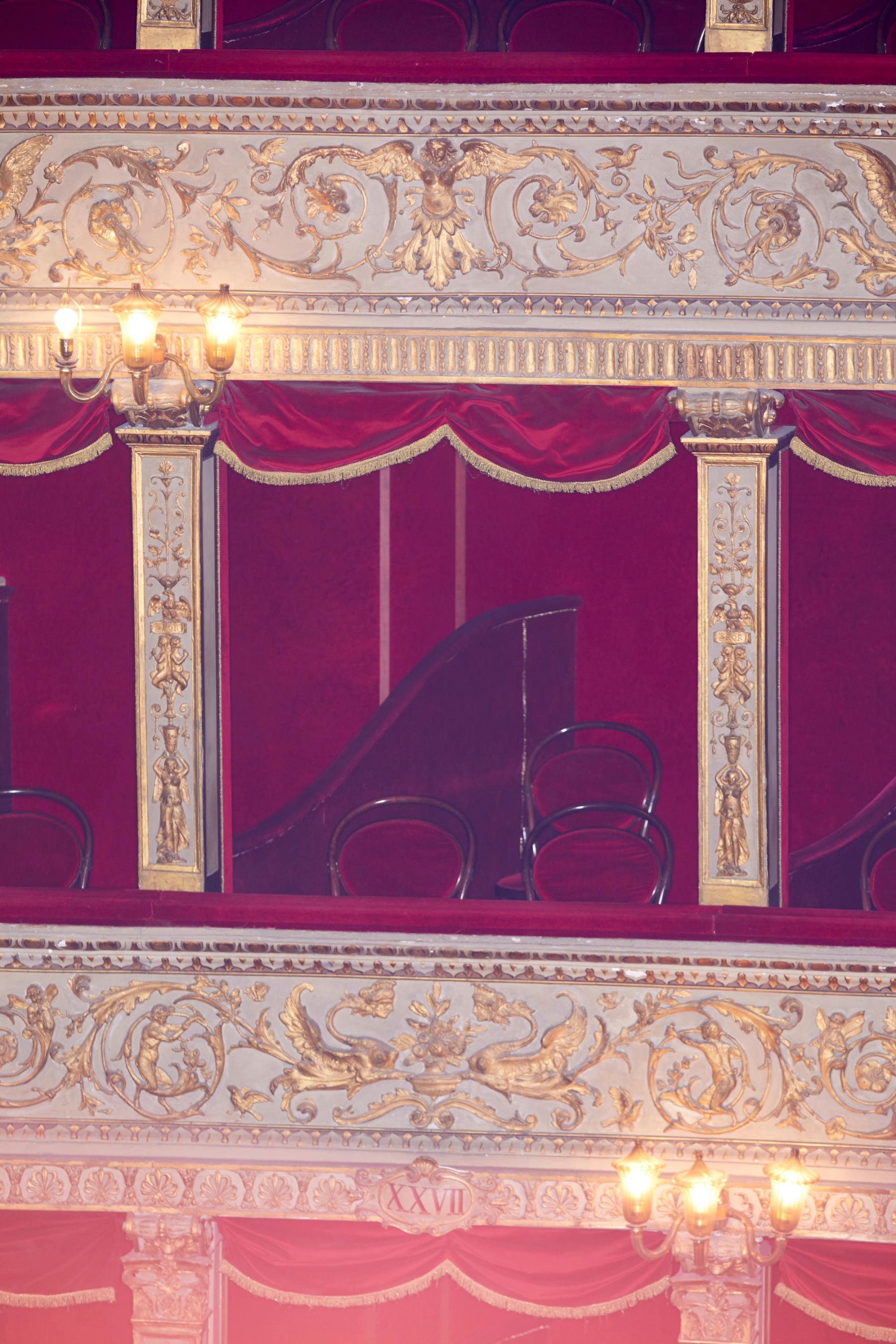

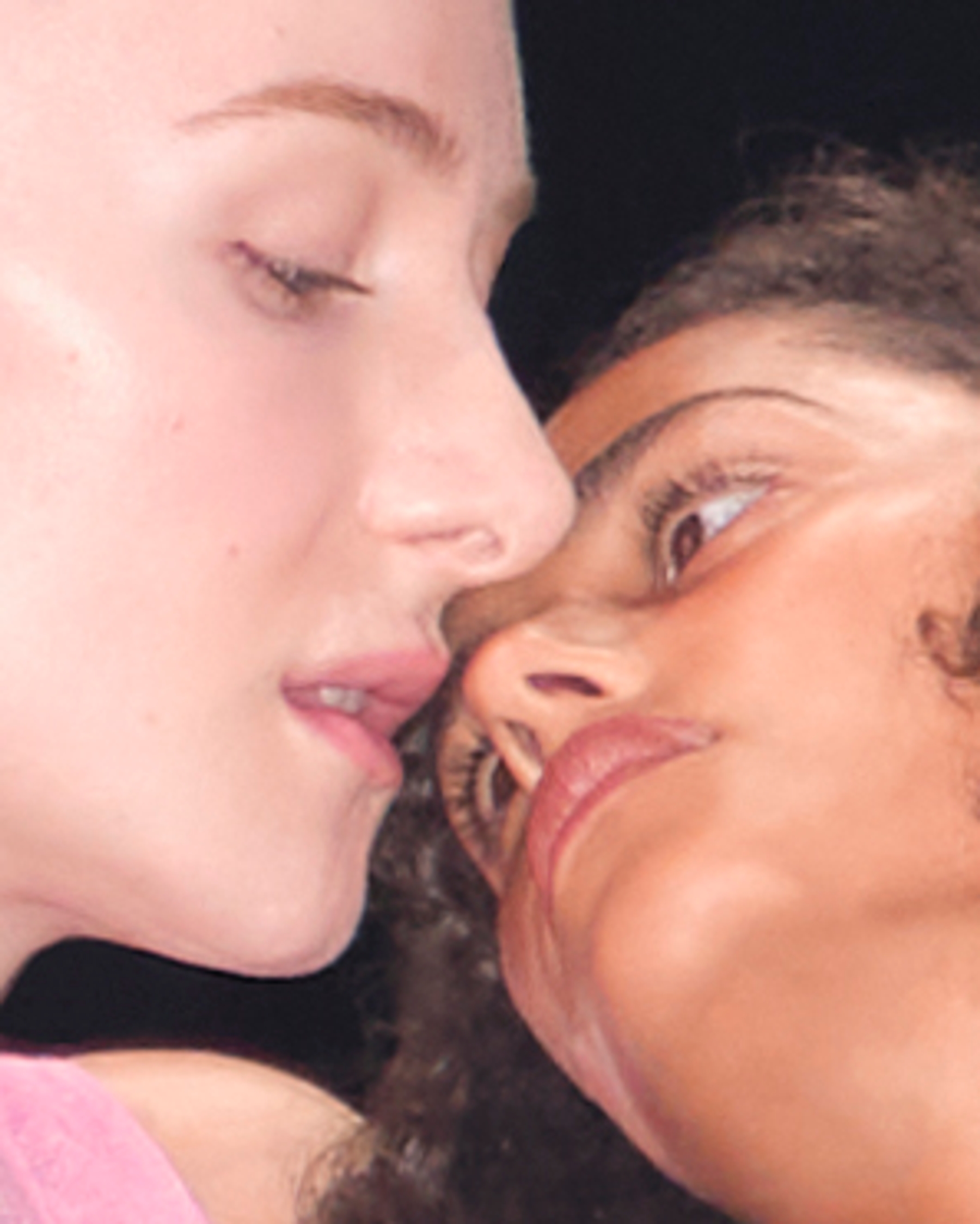
The internet plays a central role in Age of Content. What does it give to choreography that classical training doesn’t?
We see the internet as a major cultural shift. Some of us studied in art schools, where you learn how representation reshapes perception. Perspective changed politics. Photography changed painting. Each tool transforms how we see and relate.
As millennials, we remember life before and after the internet. Social media exploded when we were in our twenties. This constant state of self-representation, of performing oneself for an invisible audience, inevitably changes how bodies behave and relate.
It also complicates the idea of community. Online communities can connect people, and we’ve experienced that ourselves. But community isn’t only intellectual or emotional, it’s physical. It’s learning how to share space, how to hold presence with others.
That’s why theatre still matters. People enter a room together, sit next to strangers, and share a moment. On stage, bodies sweat, expend energy, give something irreversible. There’s an exchange, attention on one side, generosity on the other. We may not fully understand it, but we believe it’s transformative.
The internet also opens territories, borderless exploration, unexpected encounters. But every invention brings its shadow. The best and the worst intensify simultaneously. What matters is how we engage with the tool.
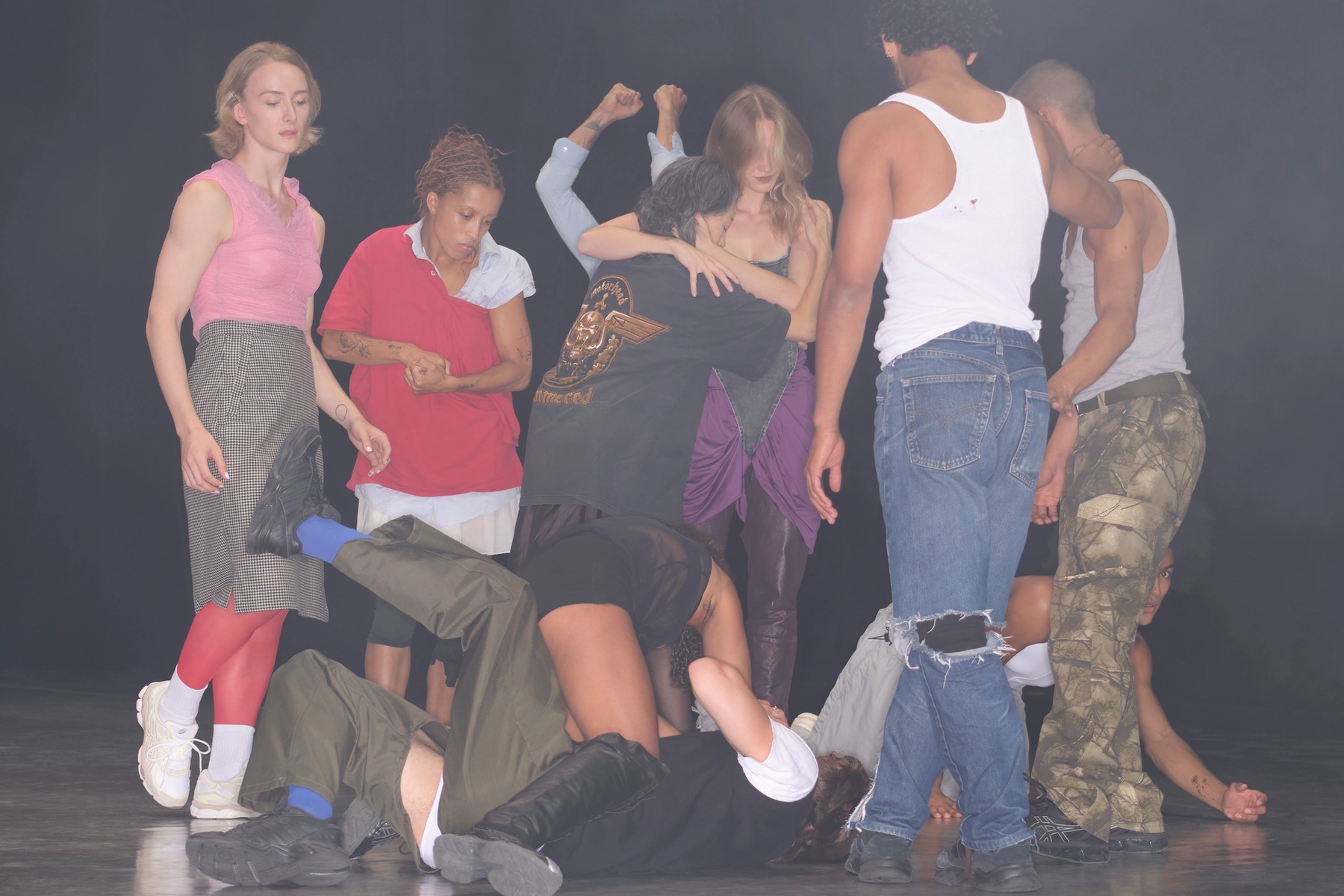
Do you worry about your work being consumed too quickly online, reduced to content?
We’re aware that once something is shared, it escapes us. People will love or reject a piece for many reasons, some aligned with our intentions, others not. That lack of control is inevitable, and in a way, it’s beautiful.
We’re not preachers. We’re not trying to impose meaning. Our work isn’t didactic, it’s evocative. We’re interested in images that resonate, that circulate emotionally rather than instructively.
That said, we’re conscious that a ten-second clip exists in the same ecosystem as everything else online. It becomes content. But if there’s a guiding principle for us, it’s to encourage critical thinking, or at least curiosity. Whether on stage or on a screen, we want to create images that keep the mind moving.
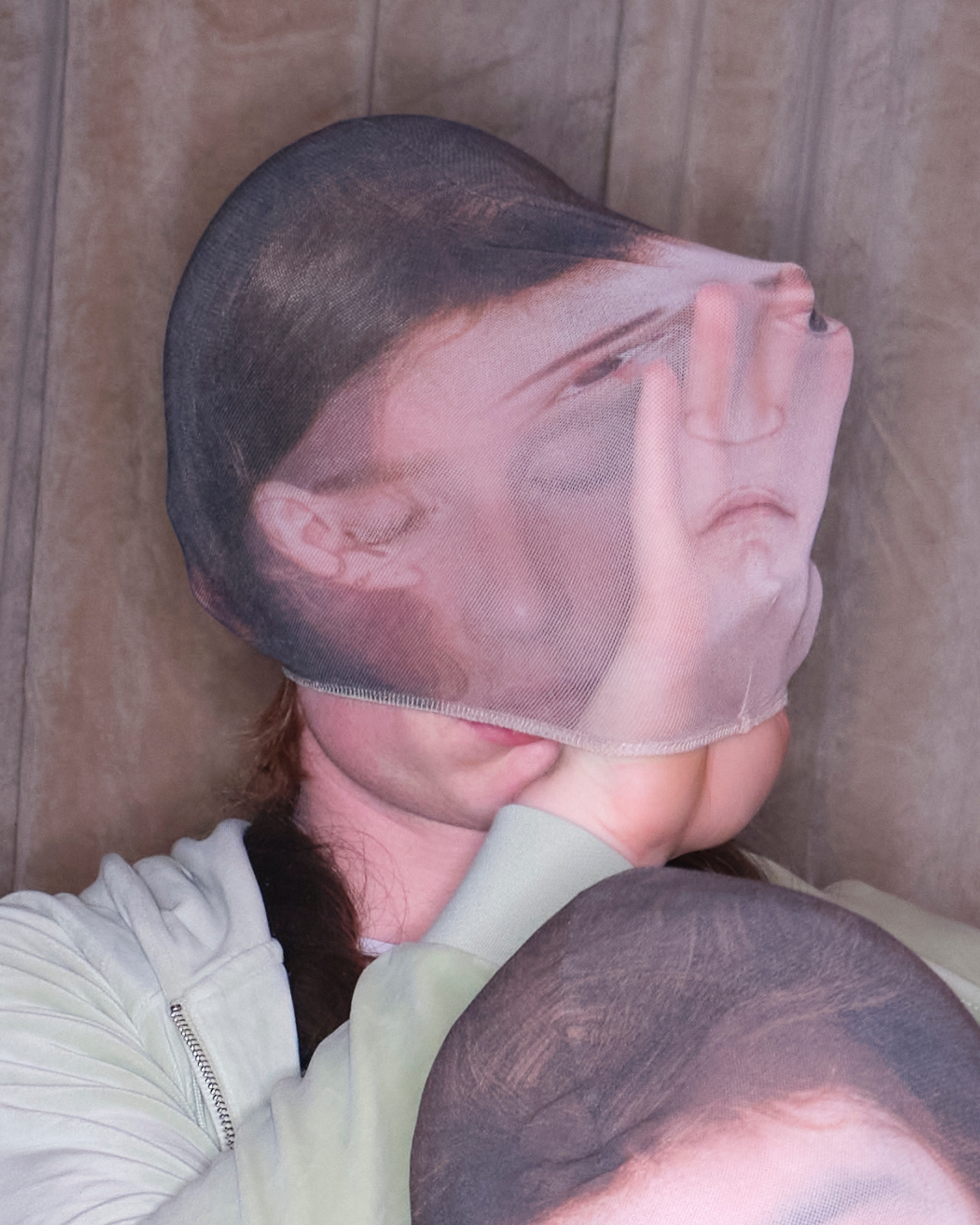

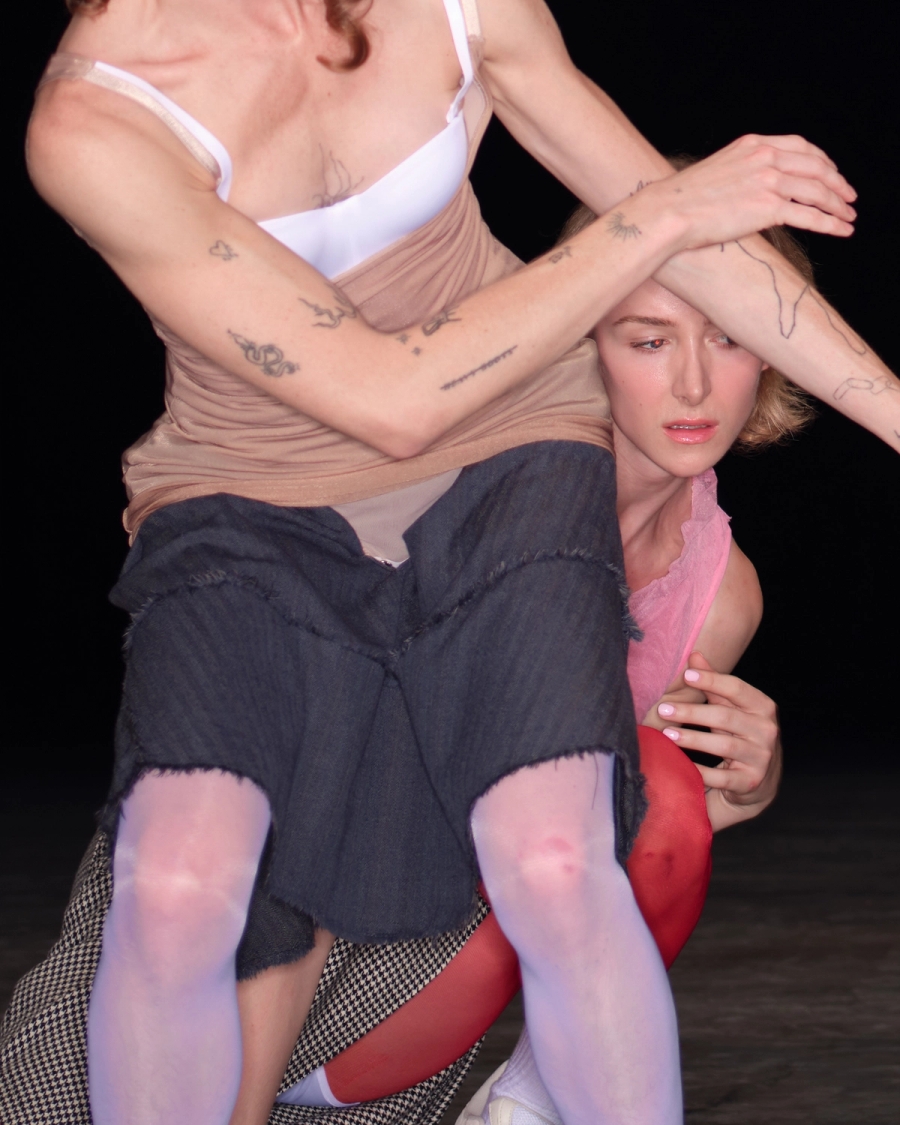
Let’s change the topic and talk a bit about clothes. How does fashion enter your creative process?
Fashion is an incredibly powerful tool because it creates contemporary markers. Clothing carries social meaning. Costume allows us to reflect on how bodies are globalized, standardized, reshaped.
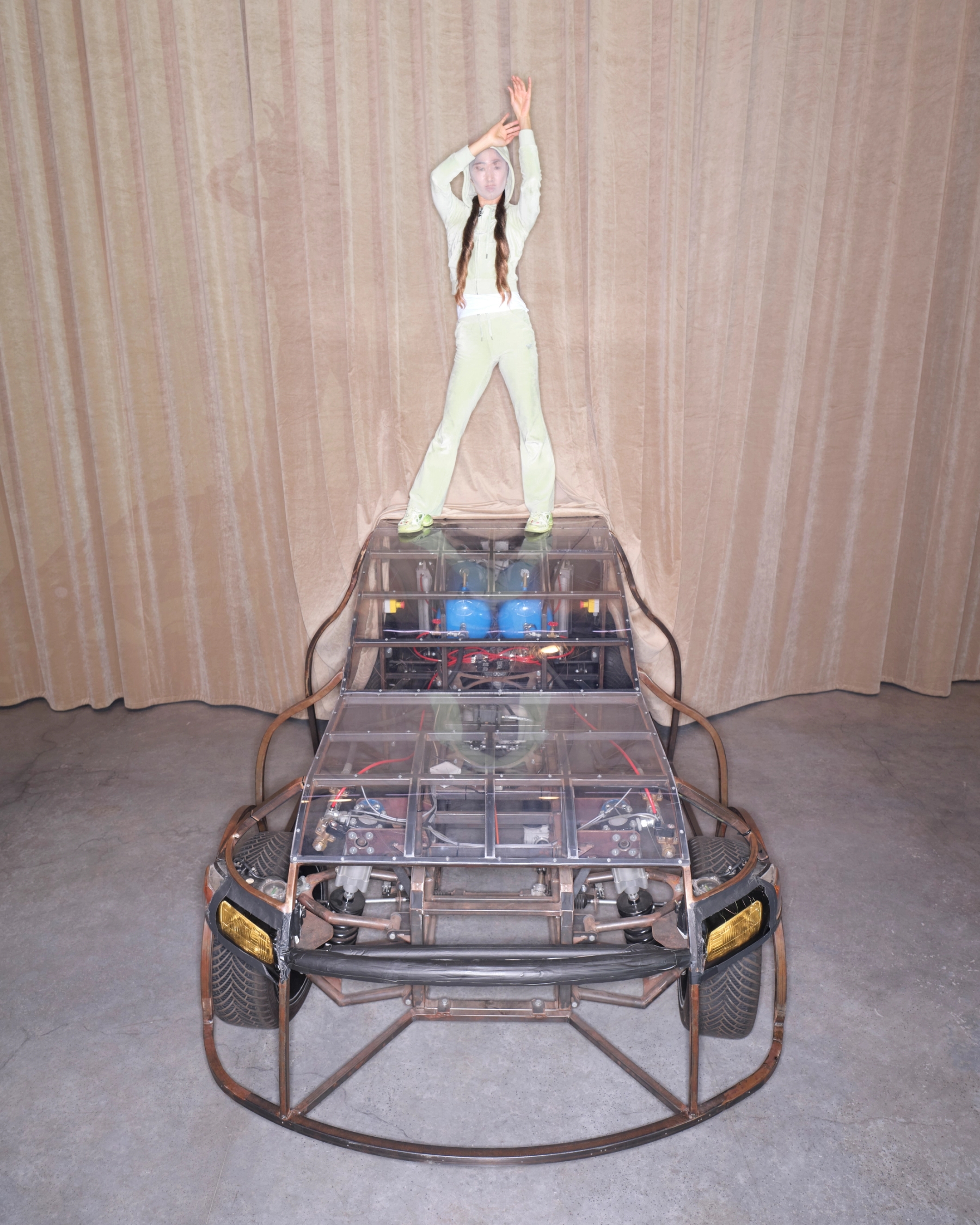
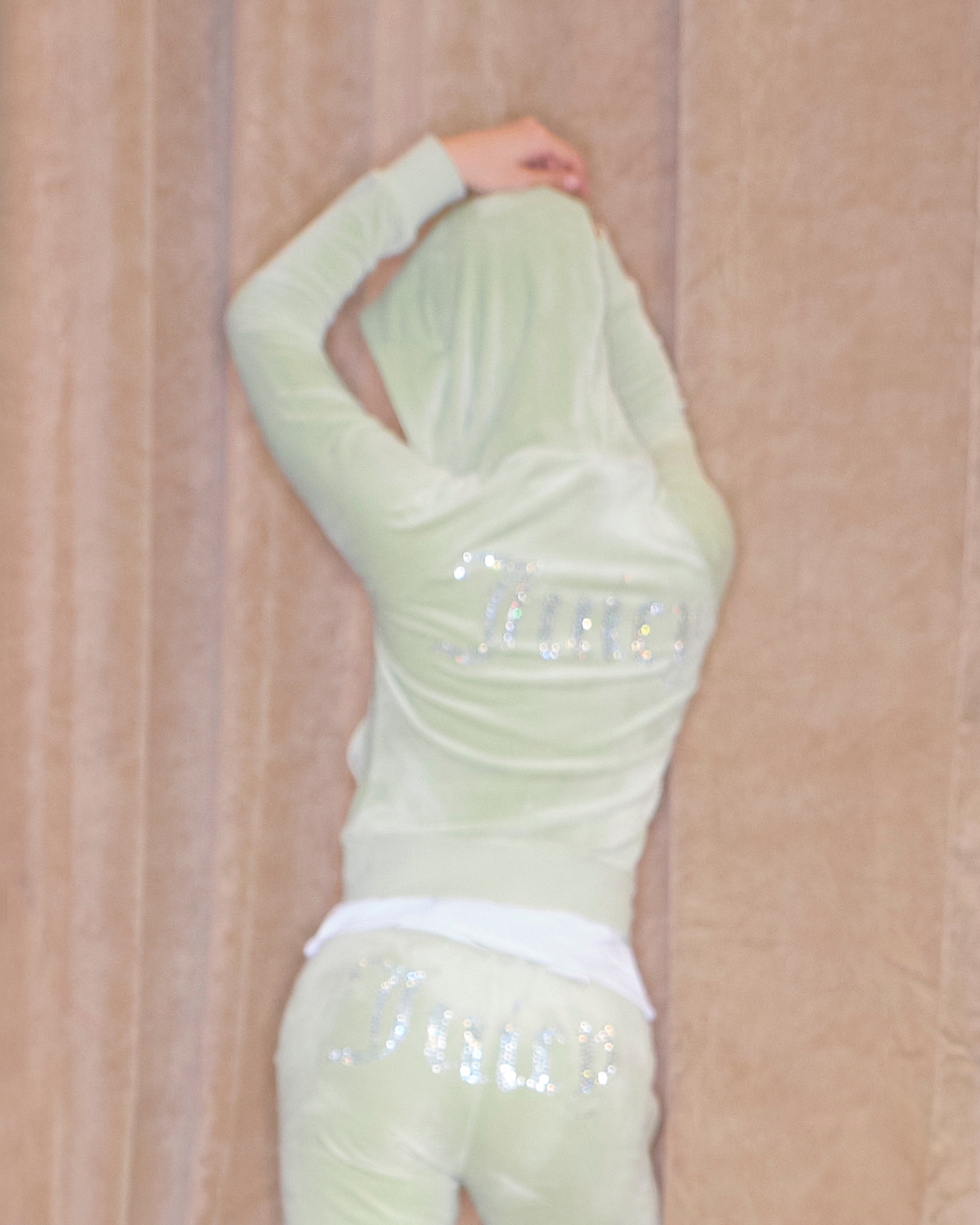
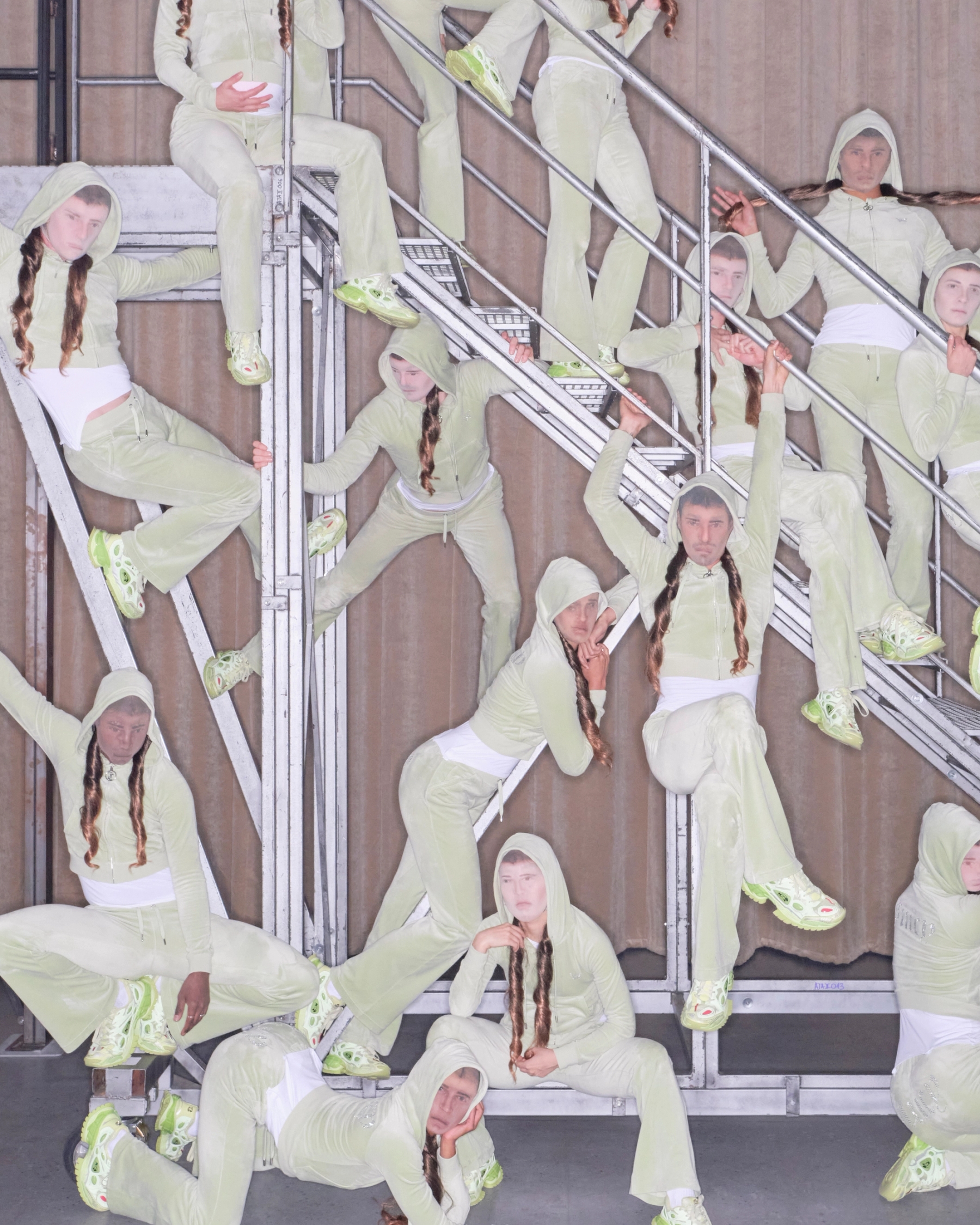
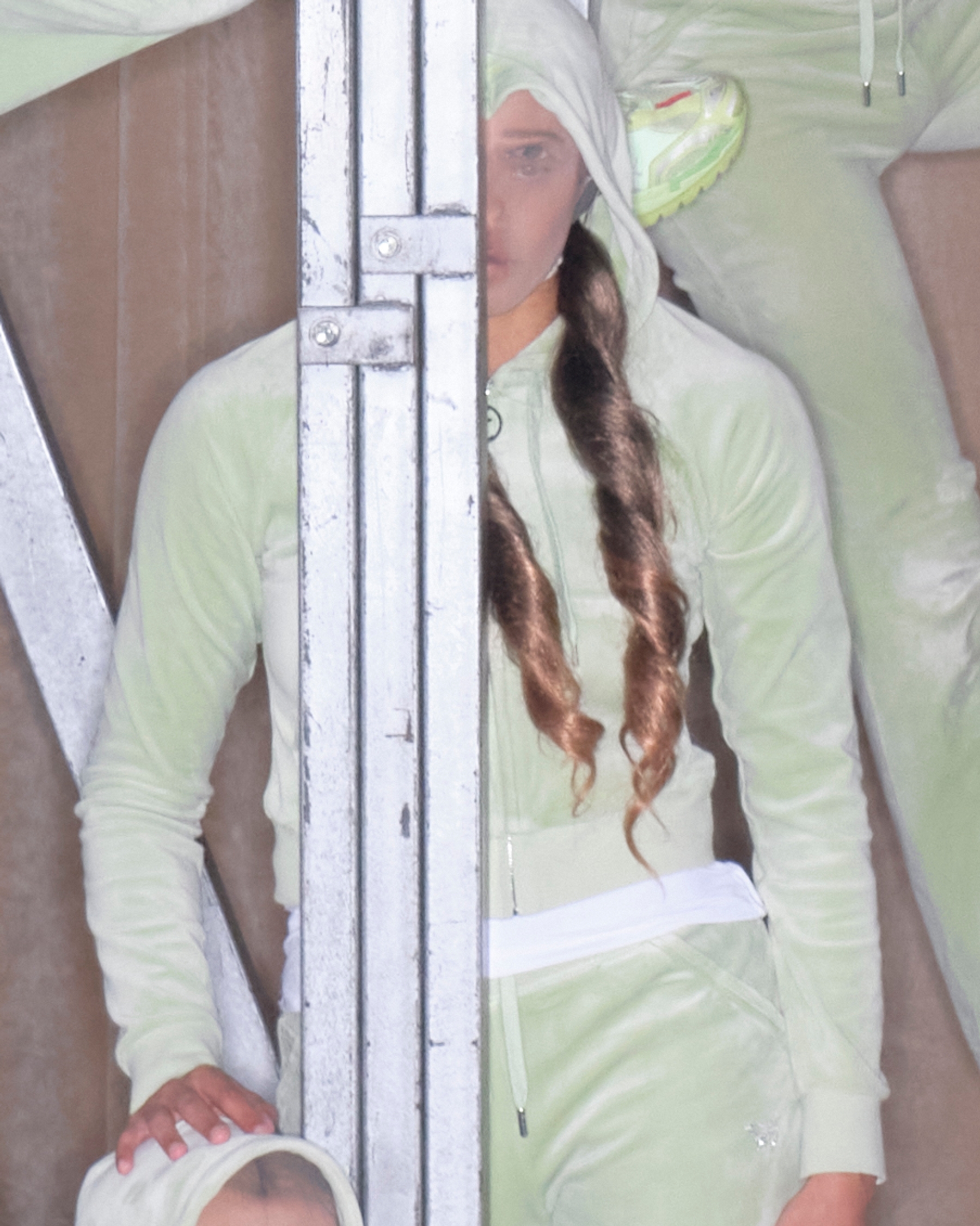
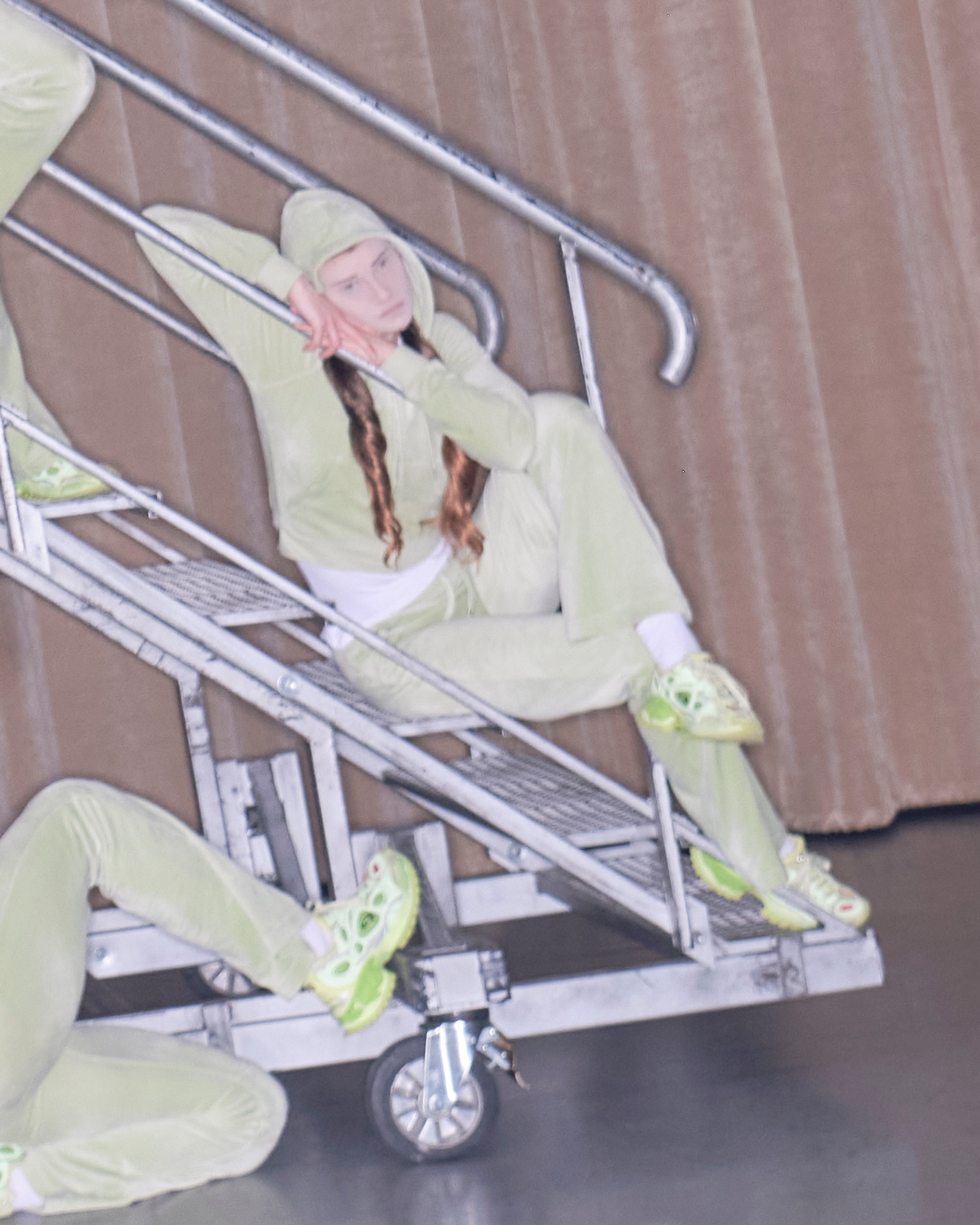
In Age of Content, we use Juicy Couture tracksuits, padded silhouettes, identical masks, hair extensions, cloned bodies fighting for visibility. Costume becomes a way to talk about the globalization of desire, of beauty, of identity. Someone like Kim Kardashian embodies that complexity, navigating appropriation, influence, self-construction. Through costume, we can point to these layers without explaining them.
Fashion also allows us to create avatars, characters, alter egos. That’s challenging in dance, where movement is abstract and pure. Once you introduce clothing, it has to belong to the narrative. Sometimes the costume leads the scene. It anchors the movement in a recognizable context.
That’s also why we work with large sets, to situate action. Context shapes movement, and shapes how movement is read.
Fashion is personal for us as well. We have friendships with designers, Nicolas Di Felice, Glenn Martens, Julien Dossena. We’re drawn to fashion where artists are at the helm, where there’s research, vision, intention. There are many “families” of fashion. Some focus on repetition. Others are deeply conceptual. We recognize those processes, even if our mediums differ.
Historically, dance and fashion have always been connected. Ballet collaborated with major designers long before us. That lineage still matters.
Where do you imagine (LA)HORDE in ten or fifteen years?
Honestly, we have no idea. Ten years ago, we couldn’t have imagined where we are now. What stays constant is curiosity, energy, intuition, the desire to explore.
We plan in three-year cycles because that’s what creation requires. Beyond that, we stay grounded in the present. Not in a nihilistic way, but in an attentive one.
That doesn’t erase anxiety about the future. We’re sensitive to the world, and that sensitivity can be overwhelming. But creation gives us a way to process it. The studio becomes a space where noise turns into dialogue, where shared questions become collective thinking.
It’s not therapy. It’s philosophical work. And maybe that’s what allows us to stay present, by transforming anxiety into movement, together.