IBRAAZ, A BRAVE SPACE
Photography Studio MO/Van Stark
Words Yasmin Alrabiei
That an institution so amiable to the ideas we have watched it serve this past year would open in Fitzrovia, of all places, still blindsides the child in me who grew up in this city. My youth in London unfolded on one of its (over) 40,000 council estates, a short bus ride from my peers behind private gates. It has always been porous in that way, disparate worlds with glass borders I could see another life through. The Grenfell tragedy of 2017 occurred in one of the wealthiest boroughs in Europe, and I am not sure anything suggests it more plainly, the racialised-class divide did not vanish but dissolved into adjacency. Want and wealth pressed wall to wall. But central was always central. Fitzrovia was where the city's story about itself got typeset. The child in me would gaze at its mammoth white buildings, eventually knowing what to file it under: not for us.
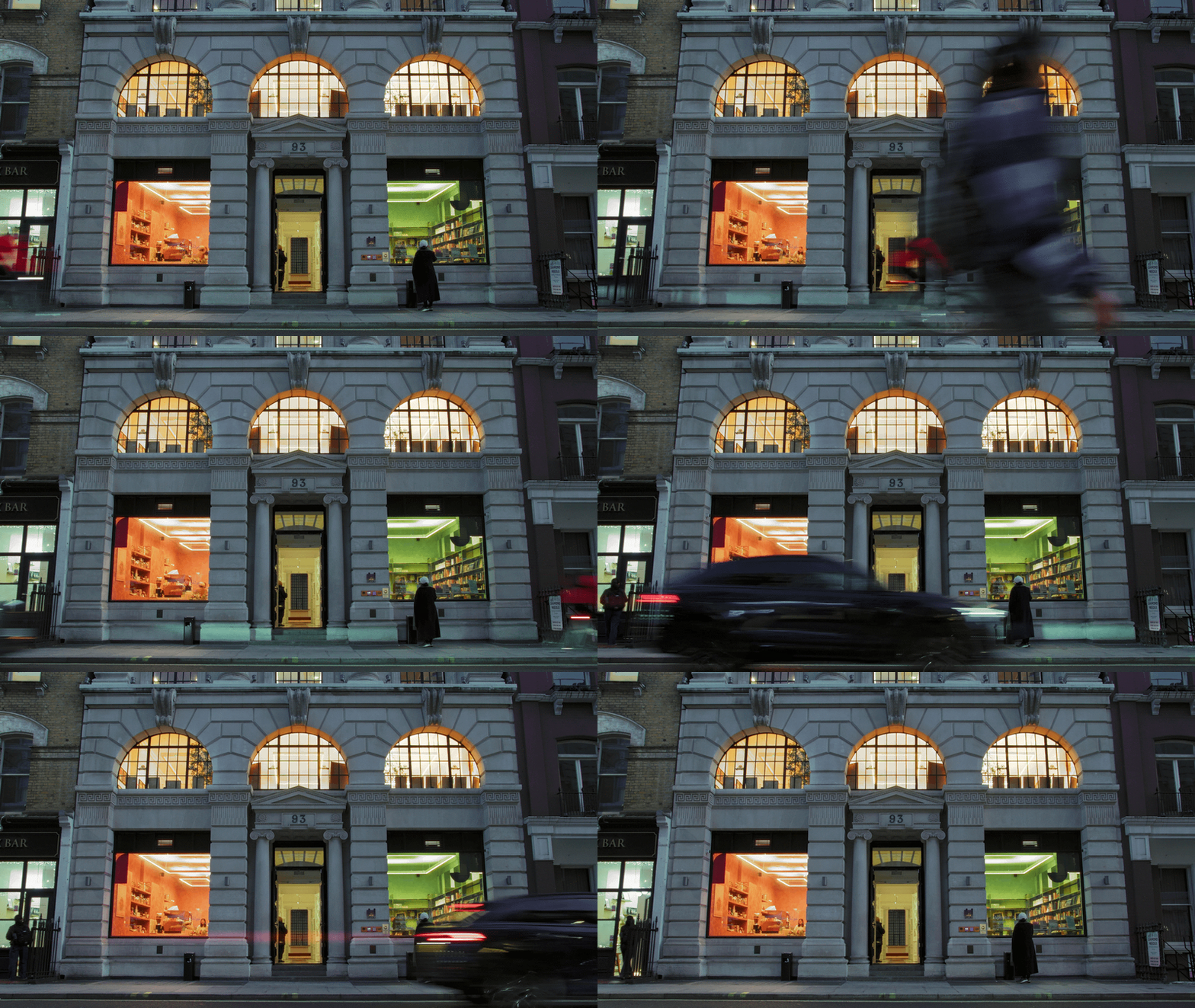
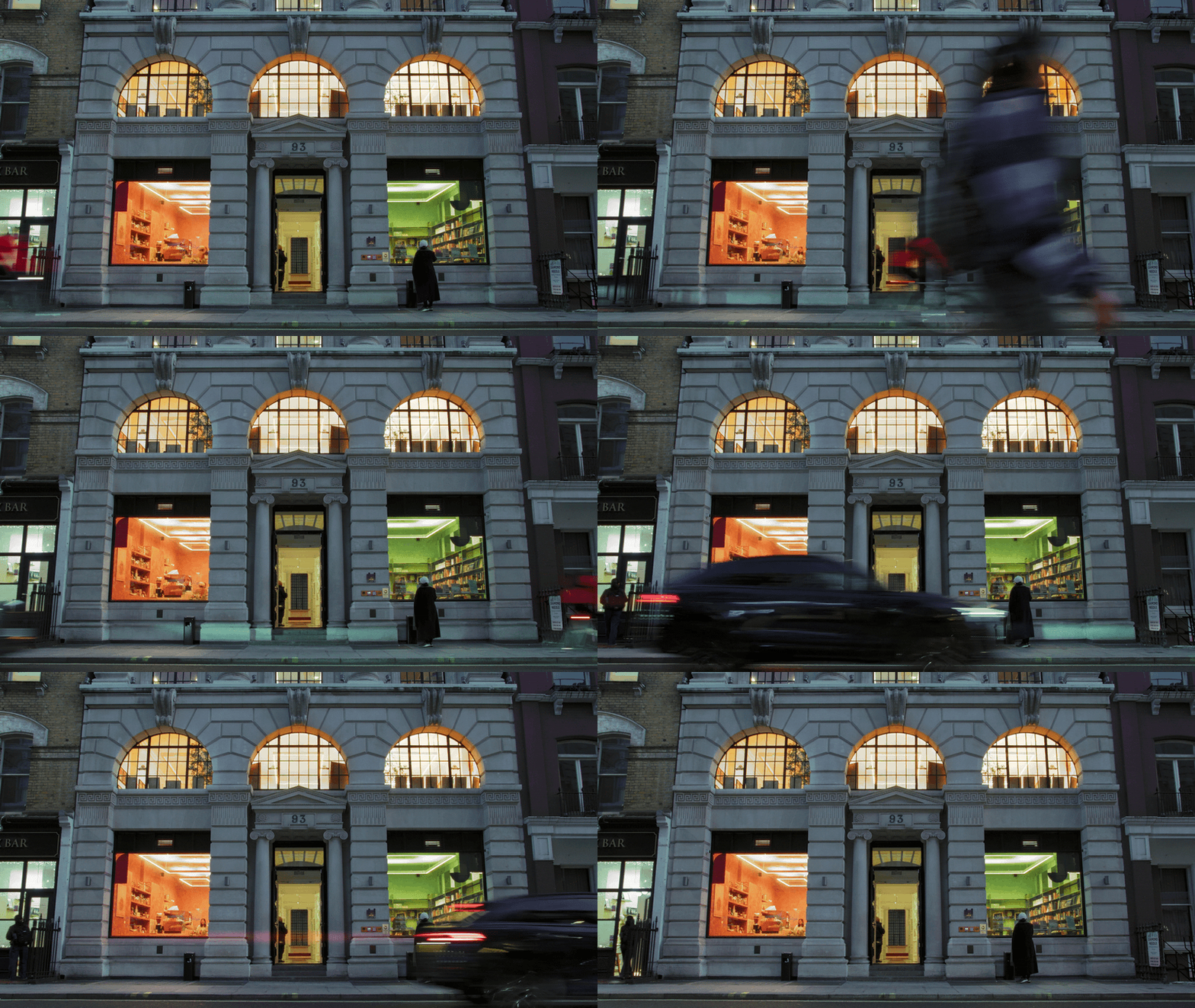
Fitzrovia is laden with its own history. The neighbourhood takes its name from a pub, the Fitzroy Tavern, where Orwell and Dylan Thomas drank themselves into legend; its streets have housed German exiles, the old Middlesex Hospital, the furniture trade of Tottenham Court Road, the Greek tavernas of Charlotte Street. And the building at 93 Mortimer Street has its own storied arc with more a cats worth of lives. It was previously home to a 19th-century Conservative MP, a galvanic hospital, a synagogue, and the German Athenaeum, a members' club for musicians, artists and businessmen. A seat of establishment respectability, a place of healing, a house of Jewish worship. You could not script a more fitting shell for what it holds now.
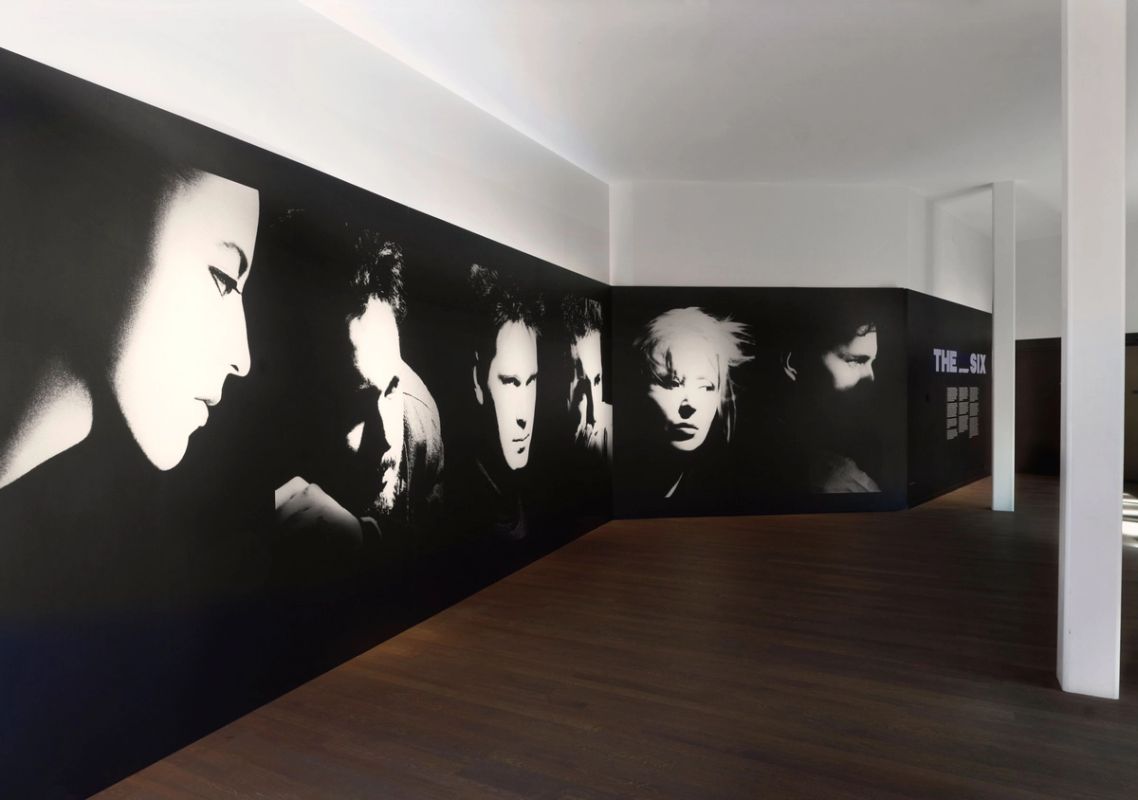
Since October 2025, it has held Ibraaz, "to shine a light on" in Arabic, six storeys for art, culture and ideas from the global majority, founded by Lina Lazaar and given physical form by architect Sumayya Vally. Ibraaz did not enter the scene with the bravado of claiming "we are here to respond to the current political moment and solve it." It came in knowing that the first step was to acknowledge it, aware of the chasm between where art can go in the face of such times and where institutions usually let it.
Between 2011 and 2017, Ibraaz took up space only as an online forum, ten platforms of essays and projects interrogating how cultural knowledge about the region gets made and who gets to make it. It published Future Imperfect, effectively a book-length autopsy of the Middle East's cultural institutions and their capture by "ascendant neoliberal forms of privatization". In his fifth anniversary editorial, Downey described an art industrial complex "at ease with forms of capital accrual, gentrification, tax avoidance, and outright financial speculation," a market serving the 0.0001 per cent who can afford to buy what galleries purporting to represent the Middle East are selling. Who, he asked, benefits from the production of cultural and critical knowledge?
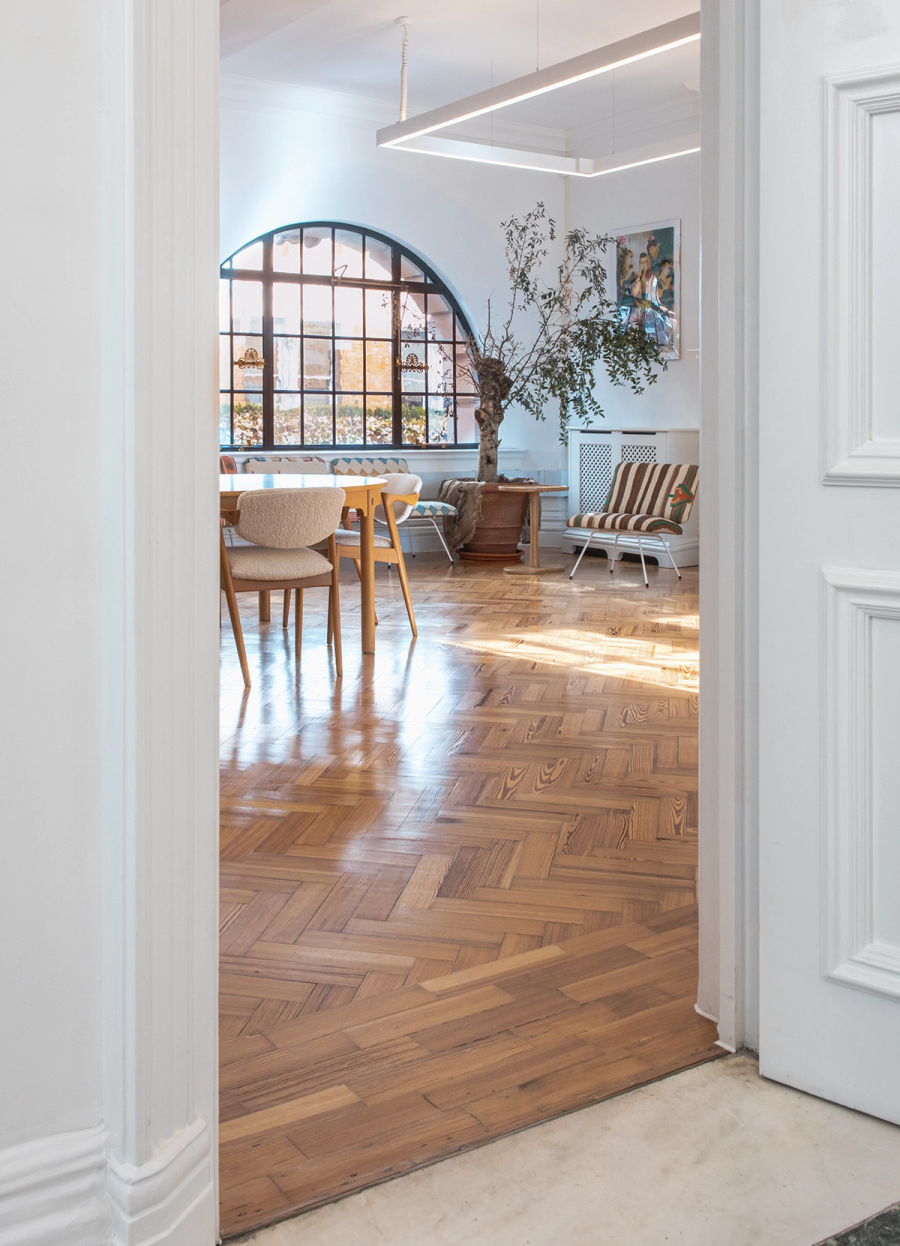
Note the distinction it insists on, now in brick and mortar: a safe space but more crucially, a brave one. After the last few years it feels that much of our communitarian language has been bastardised into commerciality, stripped of its potential for invitation and knocking down opaque barriers and weirdly erecting them. ‘Community’ and ‘Safe Space’ are two such phrases which have been ransacked of their meaning. A safe space promises you shelter from the world but a brave space only promises that the world will be faced inside it. Safety can be a velvet rope wearing a lanyard. Bravery, as Lazaar frames it, is a room where "welcoming, sharing and sitting together are not metaphors but foundations".
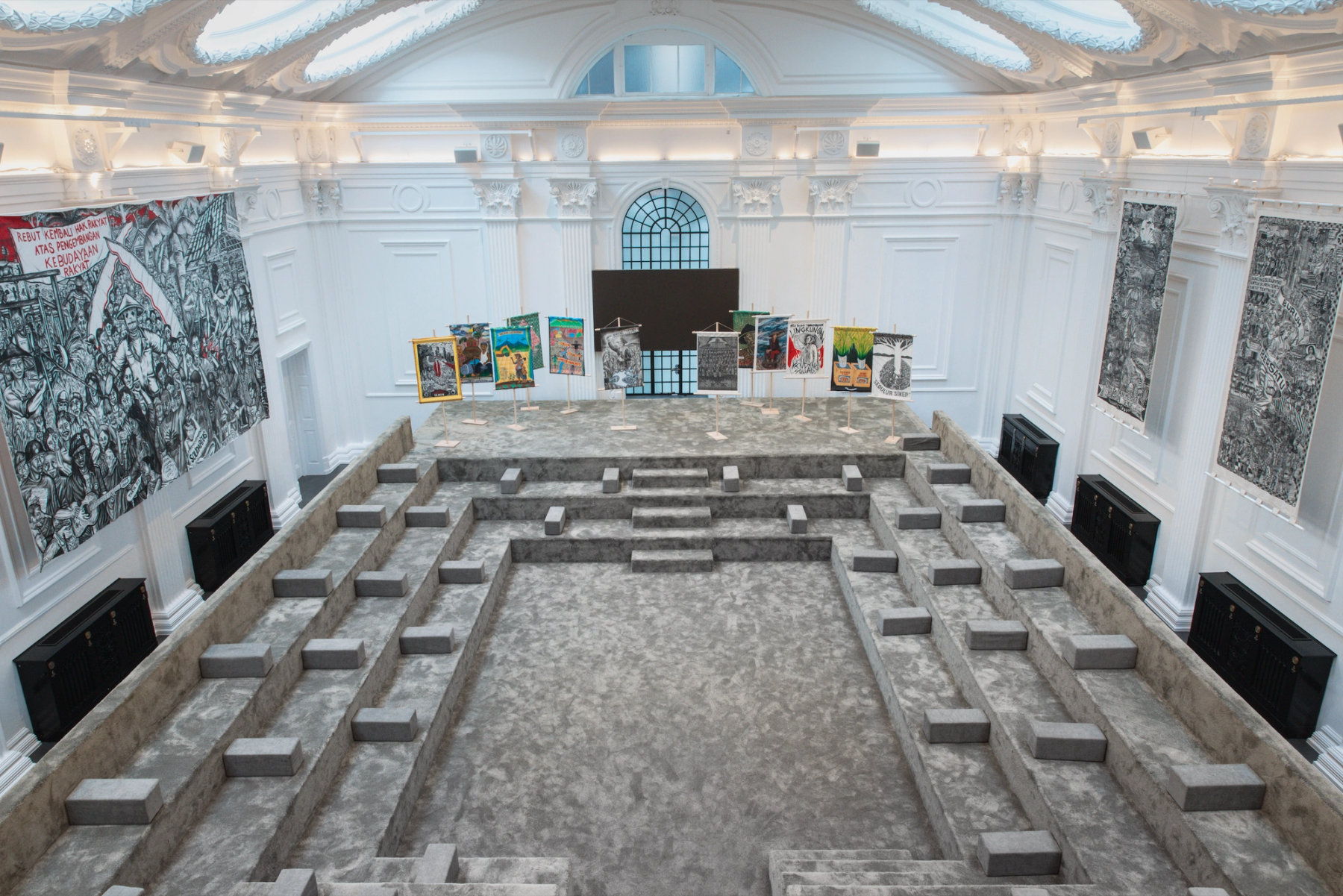
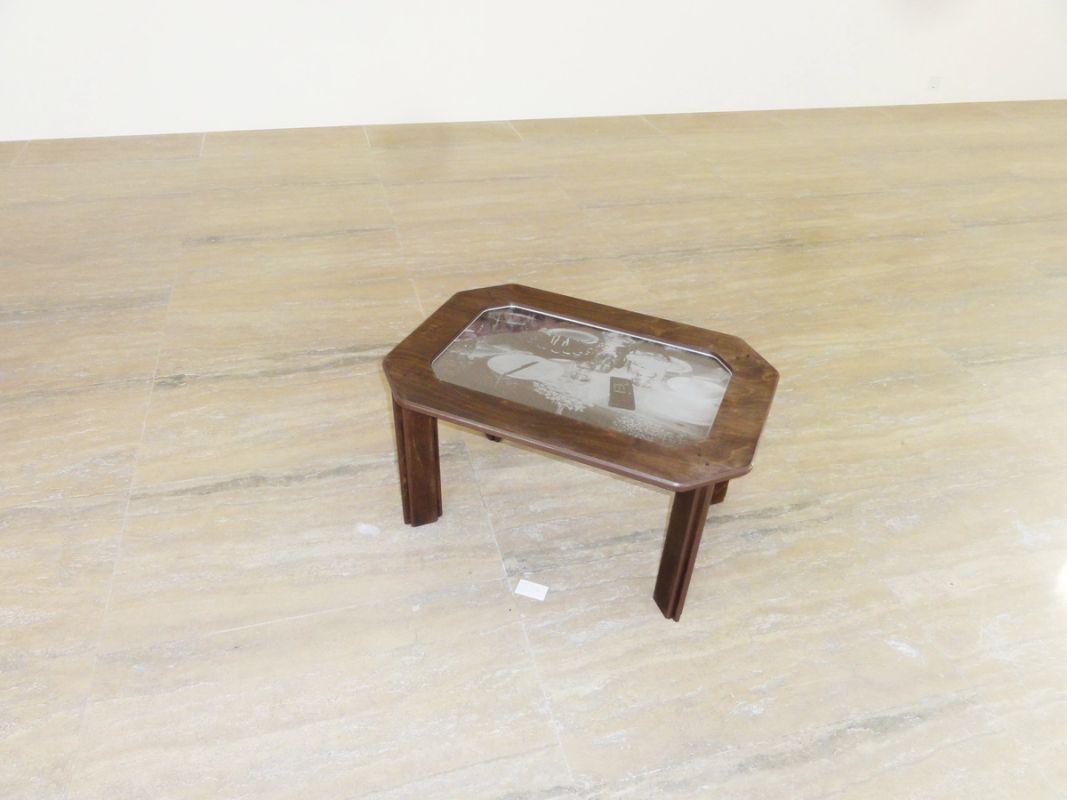
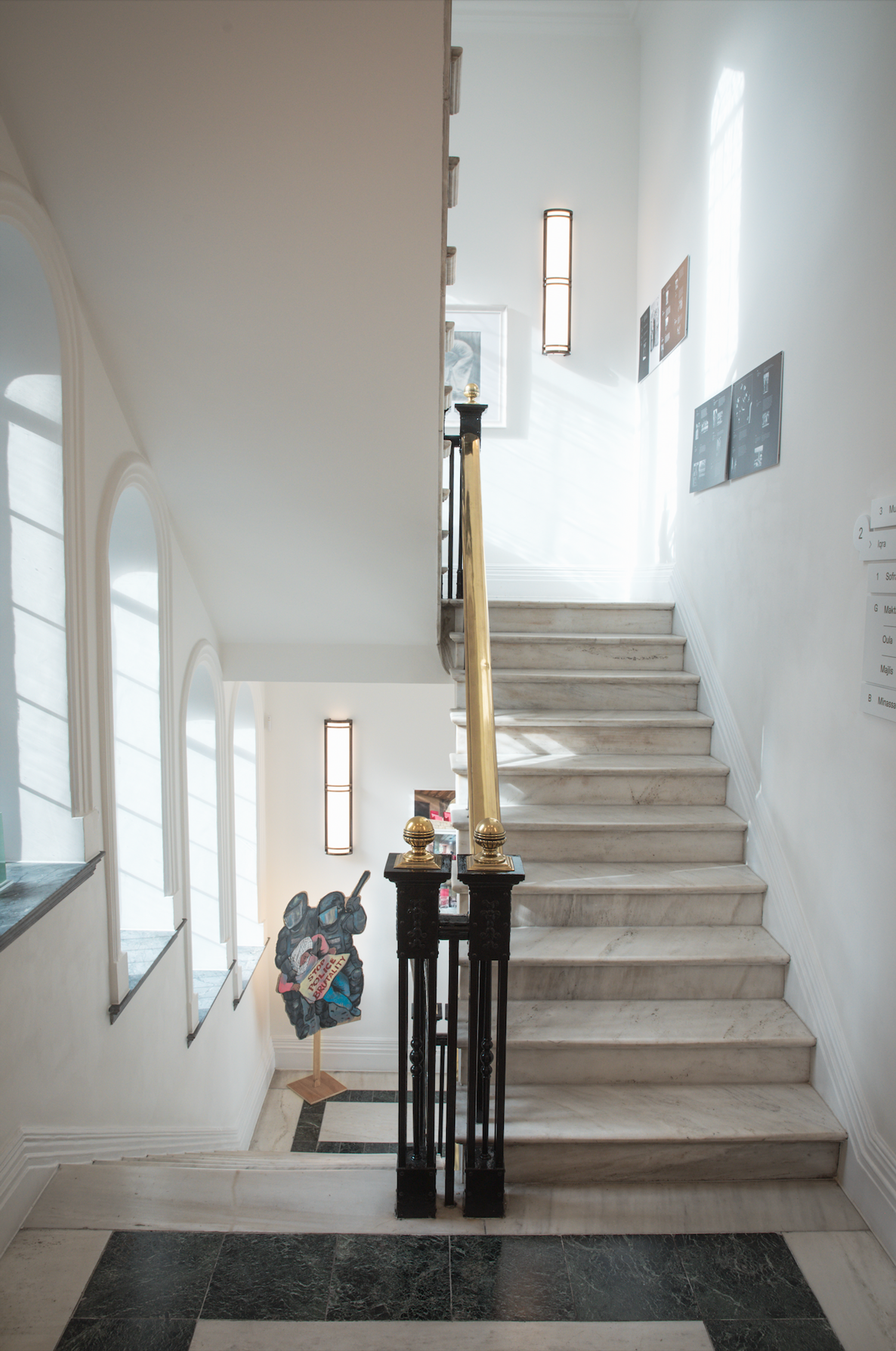
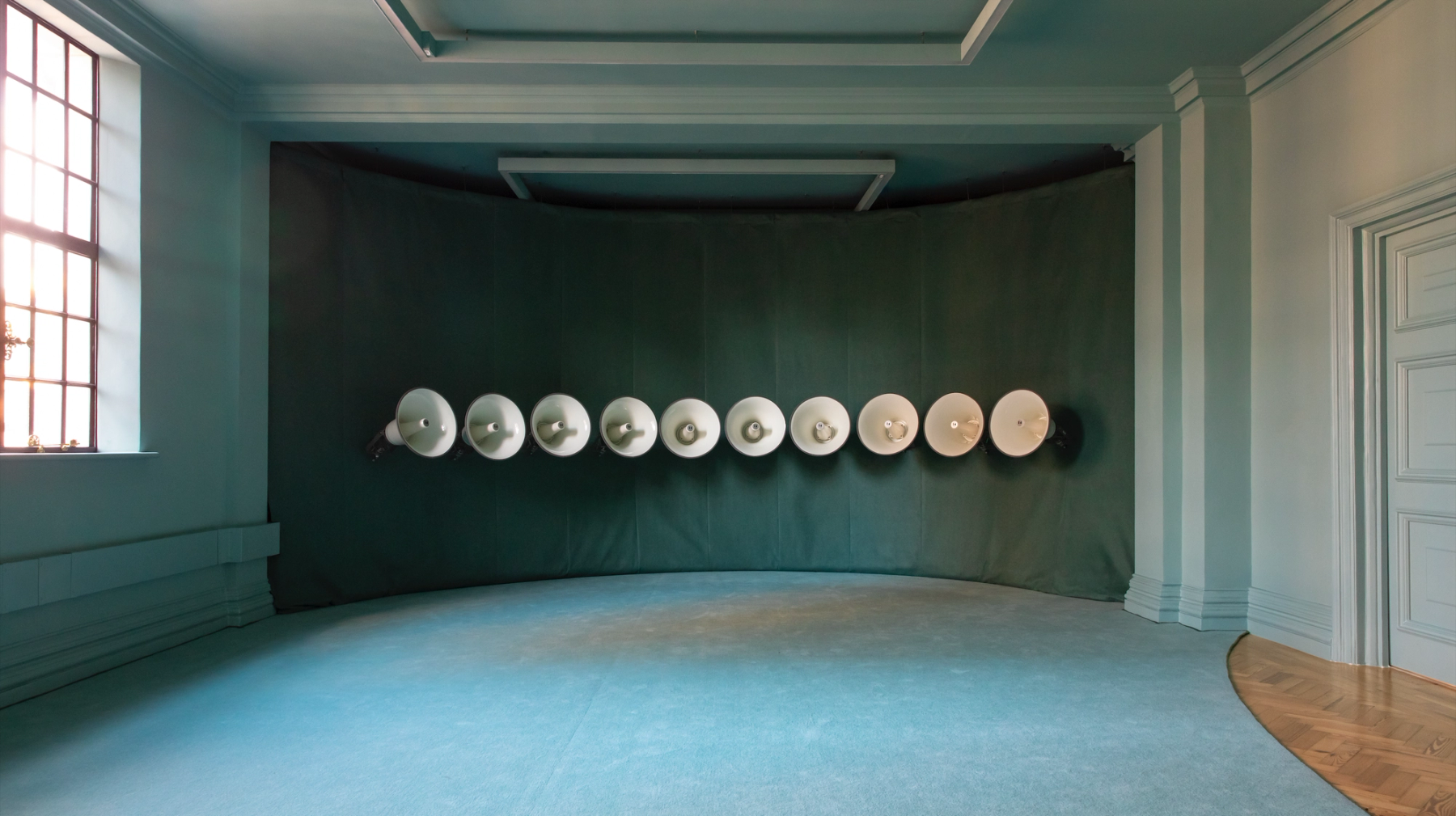
The building performs that asking spatially. Rooms are not galleries but Majlis, a gathering room; Iqra, a library; Sofra, a workshop; Minassa, a stage. The first thing to greet you in the Majlis was Ibrahim Mahama's Parliament of Ghosts, a phantom chamber built from colonial-era Ghanaian furniture and timber salvaged from a colonial railway, installed a stone's throw from one of the oldest parliaments in the world.
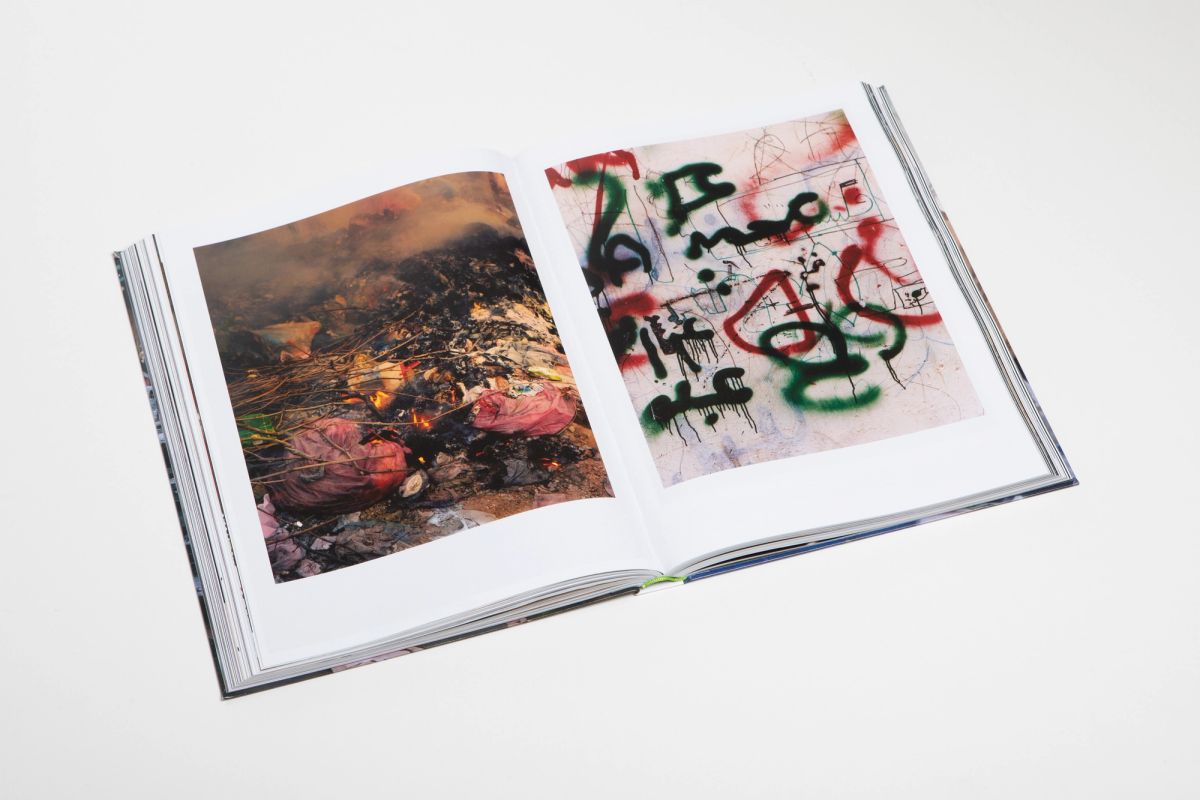
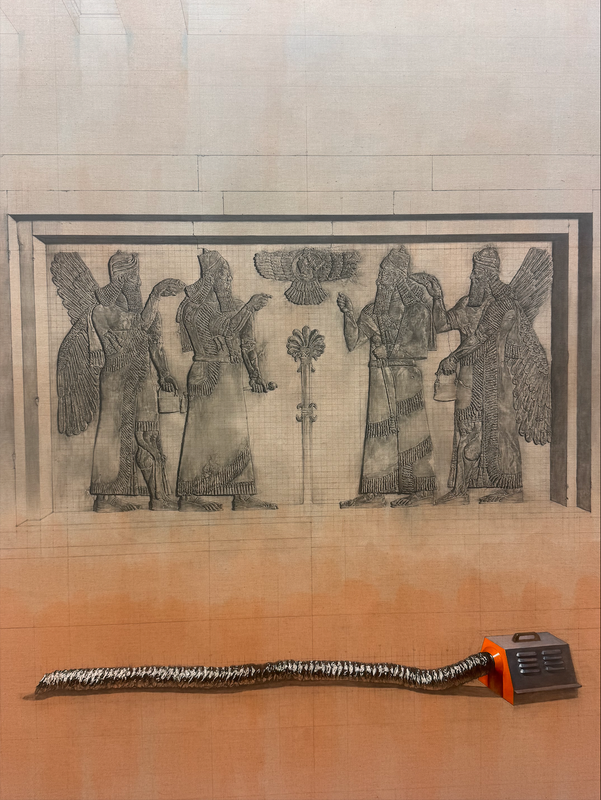
What has it done with the year? Hrair Sarkissian's Stolen Past, conjuring appearance from disappearance in images of artefacts looted from the Raqqa Museum in Syria. I had spent some years there as a child and this exhibition in particular reminds you of our urges to protect the objects that are mirror lakes into our pasts, how vulnerable the artefact is yet capable of narrating what we are not there to see, what our history is. A talk titled, without flinching, Gaza: The Story of a Genocide. Field recordings from Palestine set to movement. Poetry from Sudan, sound from Lebanon. While other venues cancelled and censored,
Hammad Nasar put it plainly: "we wanted to highlight these voices, which is what Ibraaz means".
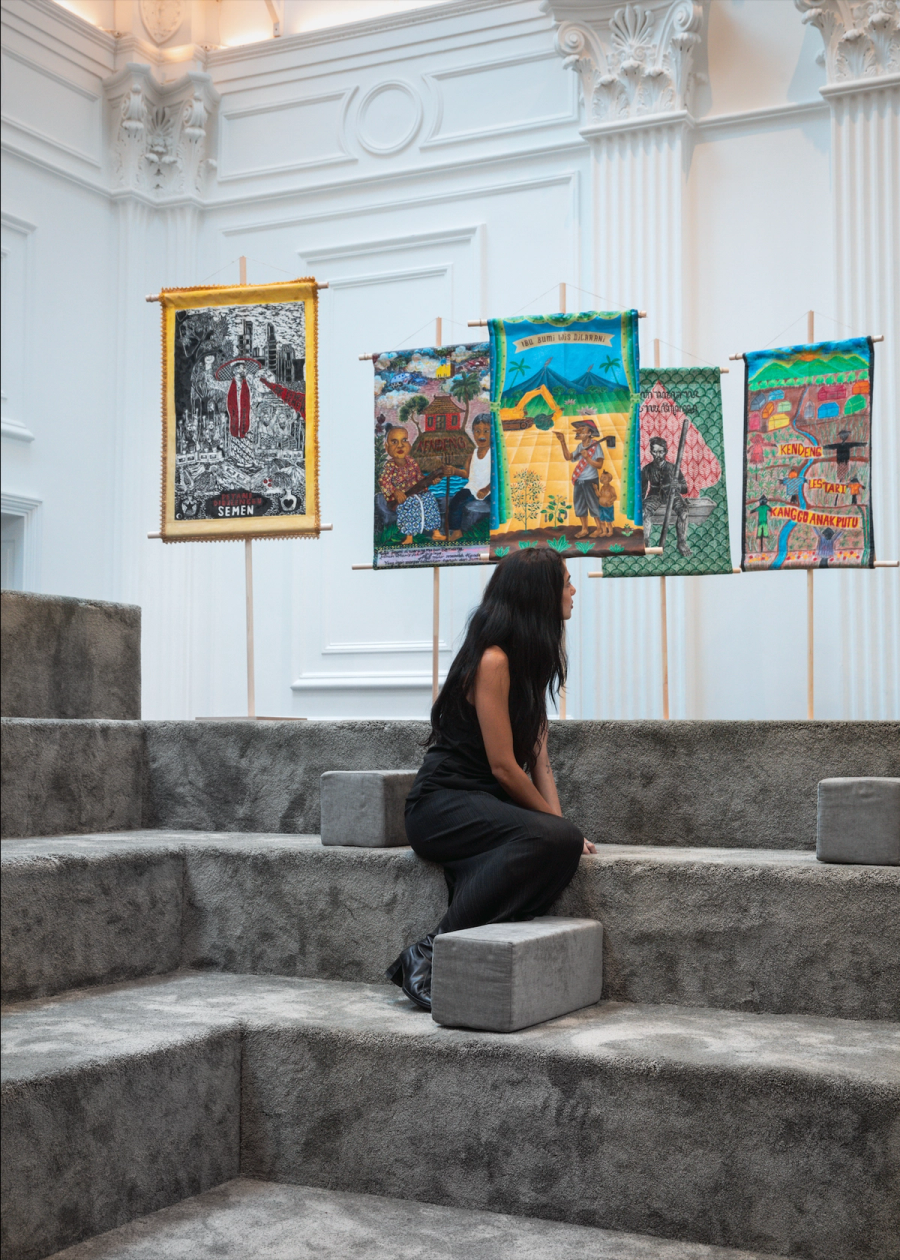
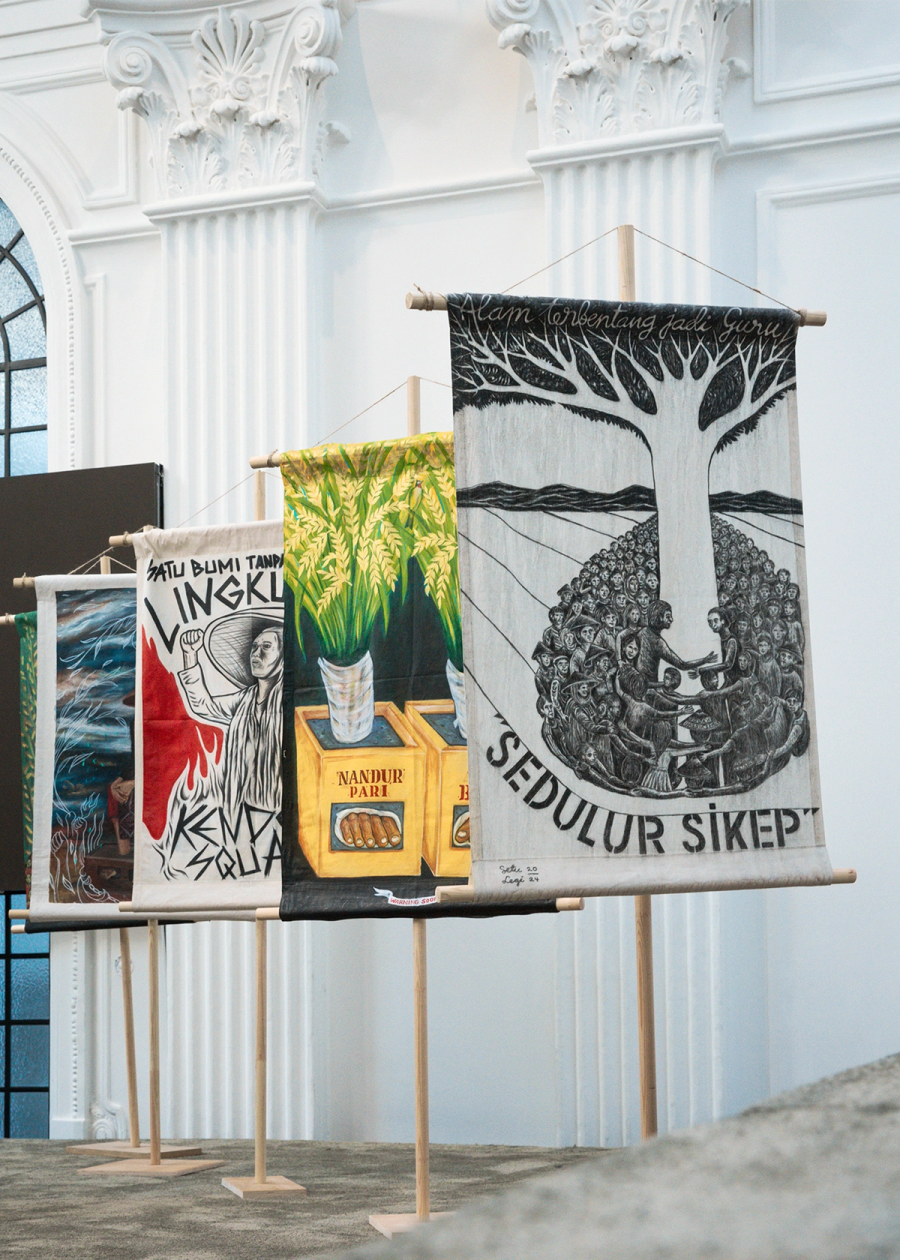
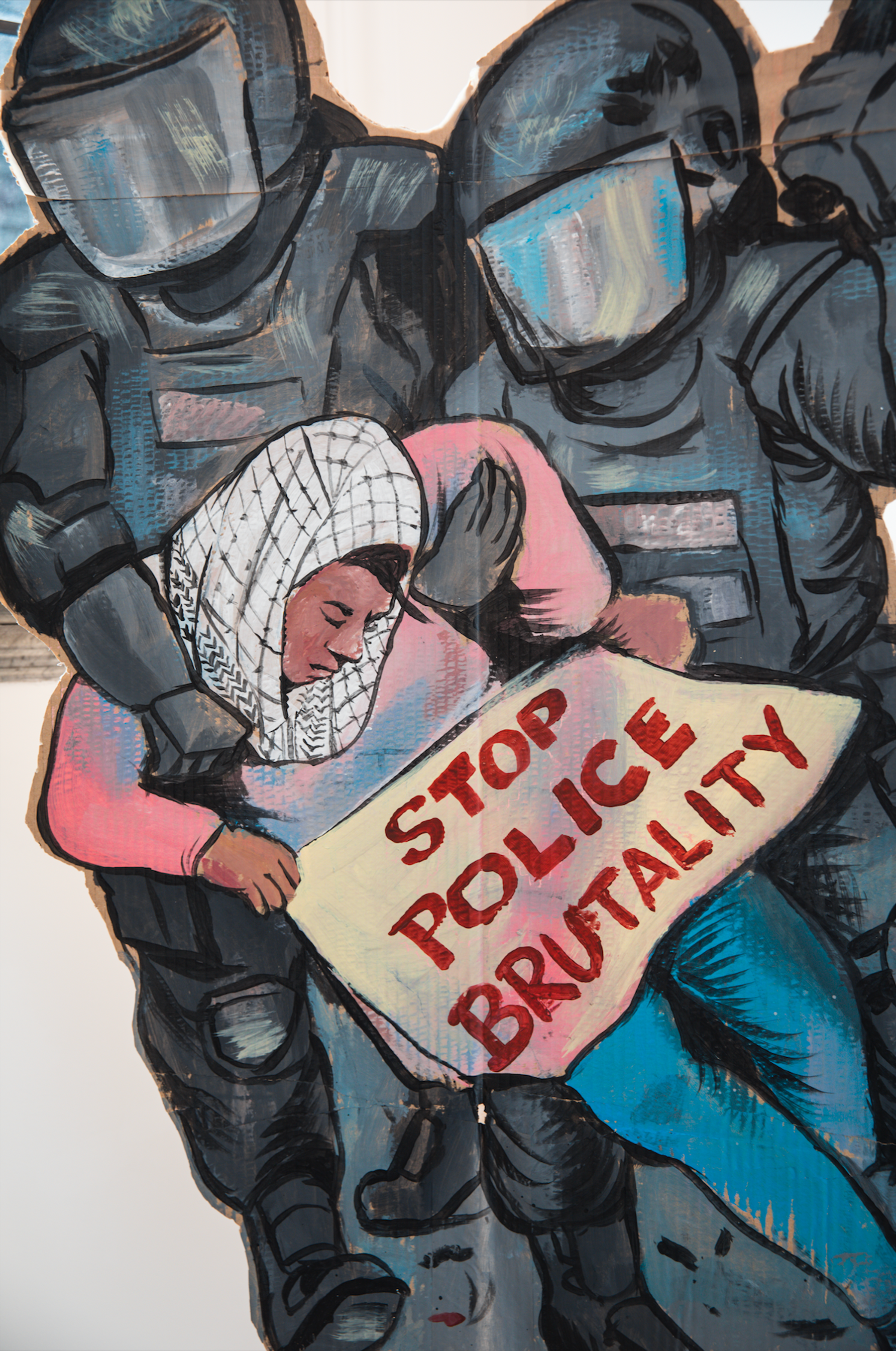
Against the backdrop of renewed protest movements across the world, the Indonesian collective Taring Padi’s Rakyat Pasti Menang (‘The people united will never be defeated’) feels particularly resonant and stands out to me too. It’s this rallying call that mobilised the students and activists then, in the late 1990s during the overturn of Indonesia’s Reformasi movement, that we hear in today's demands for justice. Major works from over thirty years worth of protest messaging through large scale banners, cardboard puppets, posters and more that now take their strength to the Majlis’ perimeter. It feels especially pertinent now to connect with such a history, that makes evident the enduring power of collective image-making as a means of solidarity, and in this particular exhibition, where the art itself was an instrument of political mobilisation.
You feel in Ibraaz the recognition that institutions have disappointed before and are liable to again. That access, space, privilege and visibility have always had their usefulness, but have at times been harbingers of a gaze shifted to illuminate only one side of the masses who flow through the doors, and not the other. Here the ambition is noise, conversation, a public. Admission is free–and I can’t quite focus enough on this. The events, concerts and exhibitions I have been able to experience for the last year have all been without charge. It cannot be understated what it means to have Ibraaz’ doors open totally fee-less, as it resists the creeping assumption that makes a claim about who gets to participate in cultural life. Meaningful encounters with art, ideas and one another in Ibraaz are more about the freedom to turn up, stay curious and take part, without first having to consider what it will cost.
There is also honesty about the source of its nerve. Backed by a private foundation, it is freer than institutions hostage to sponsors and politicians. "We don't have a carte blanche," Nasar concedes, "but we can do the programme that needs to be done".
Candour about where one's courage is underwritten is its own kind of bravery.
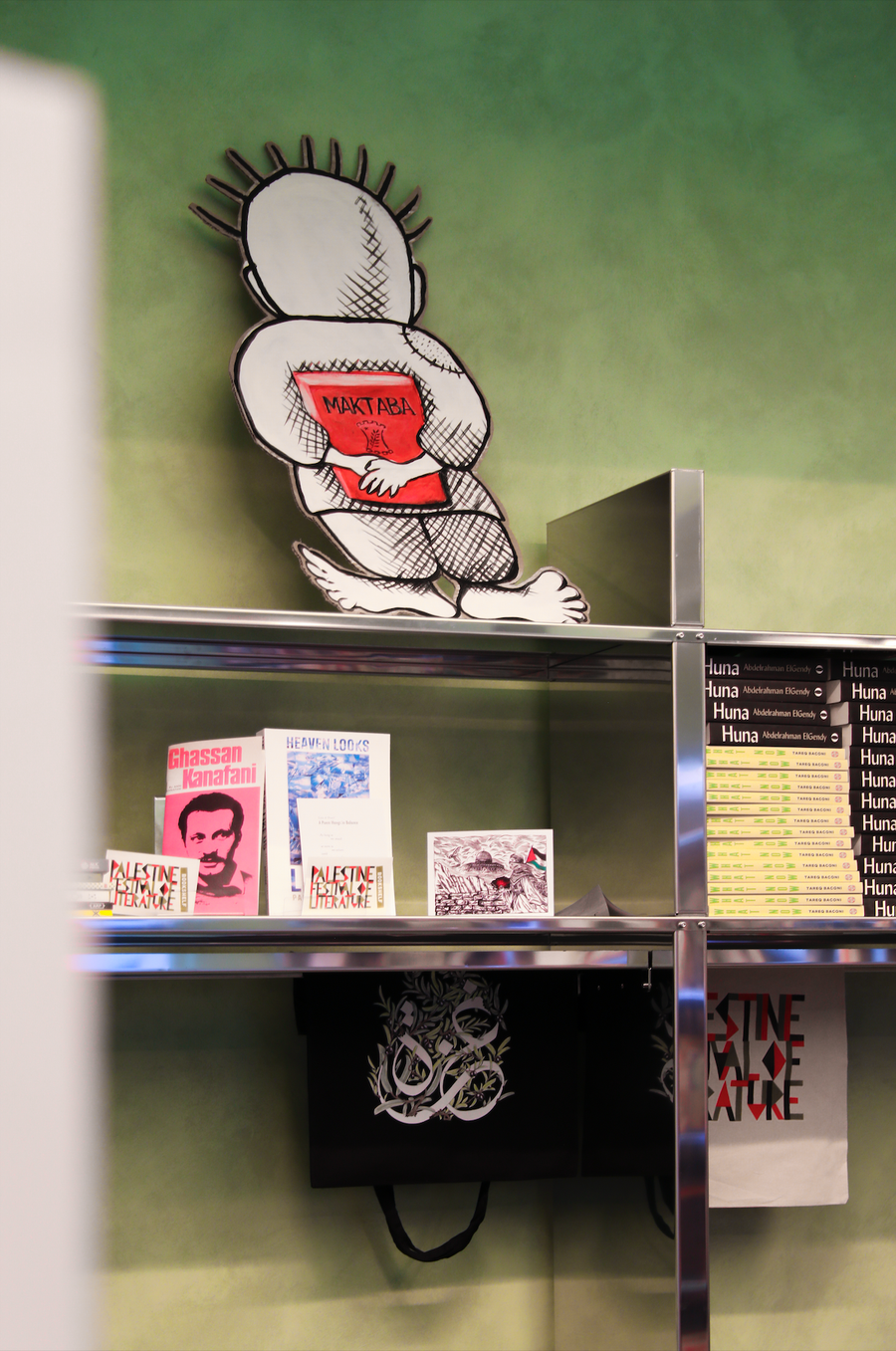
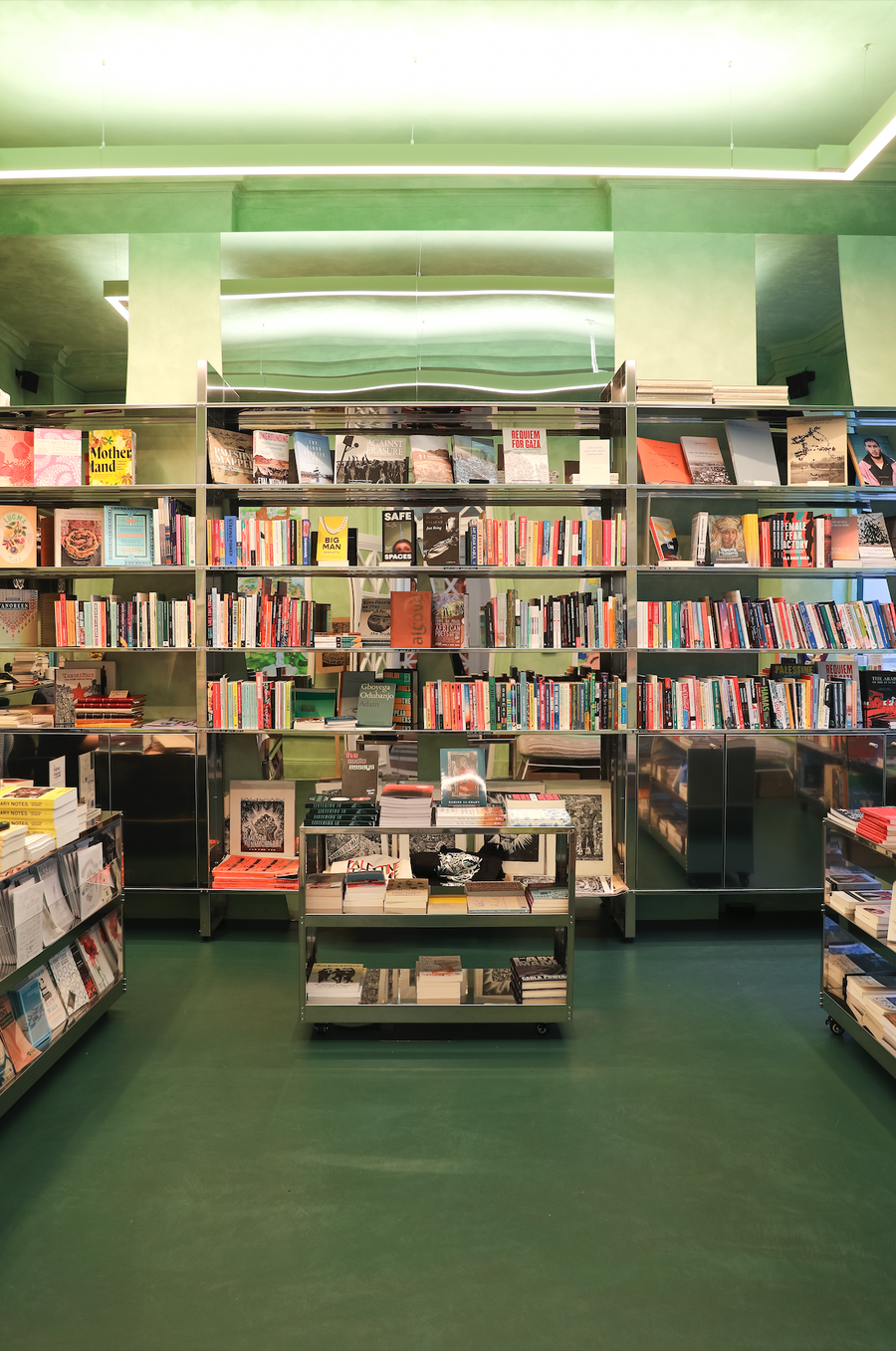
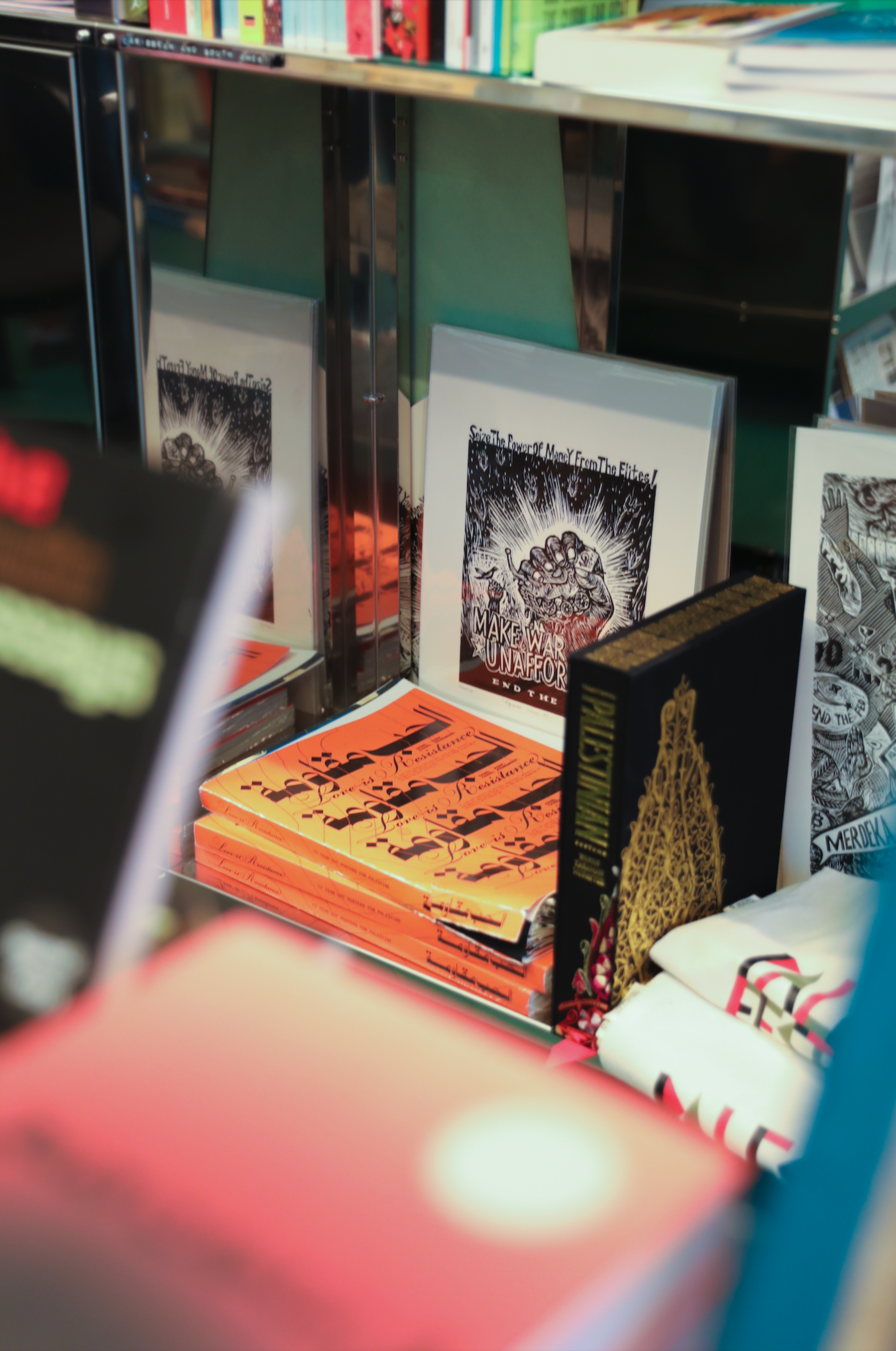
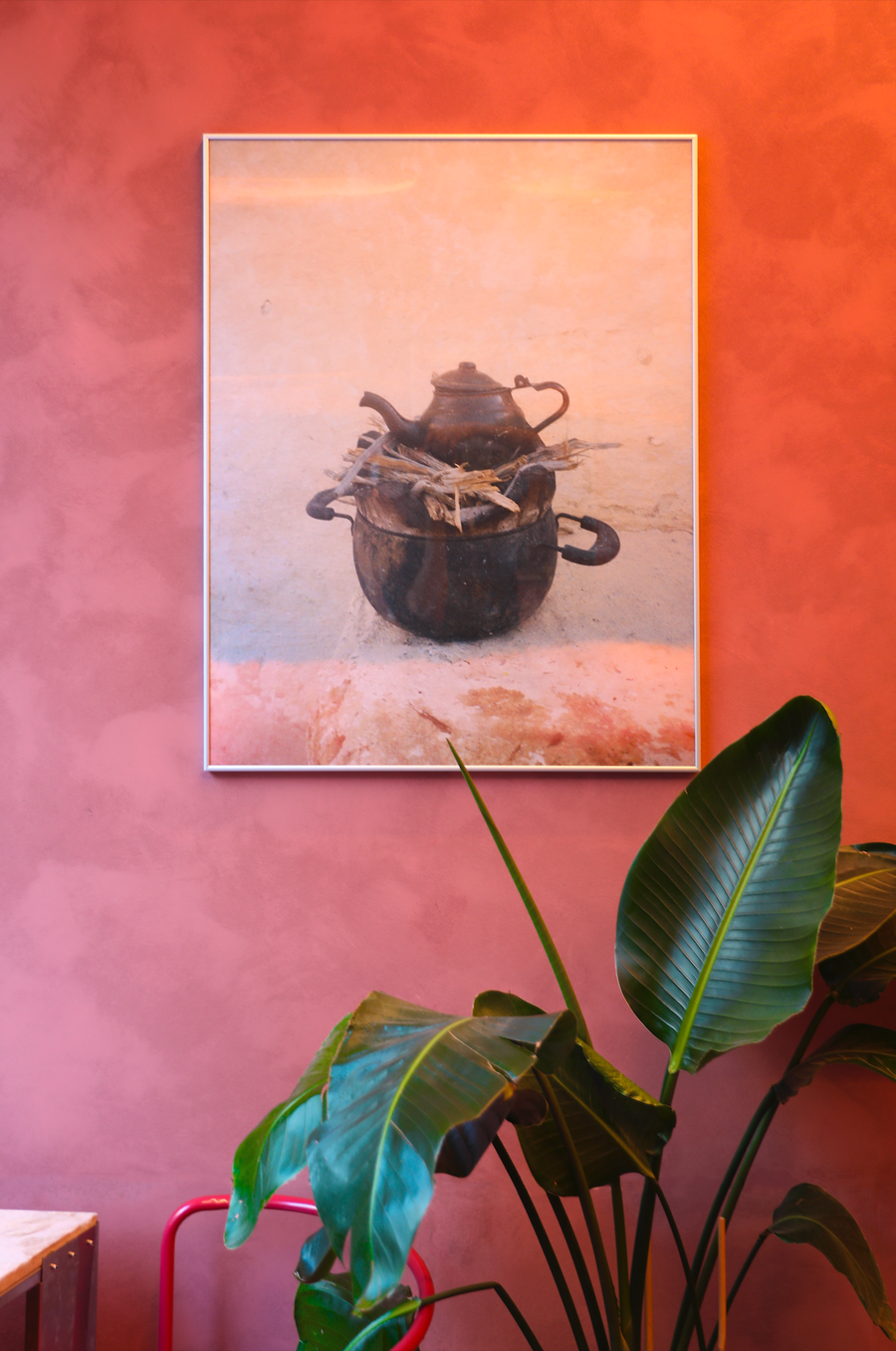
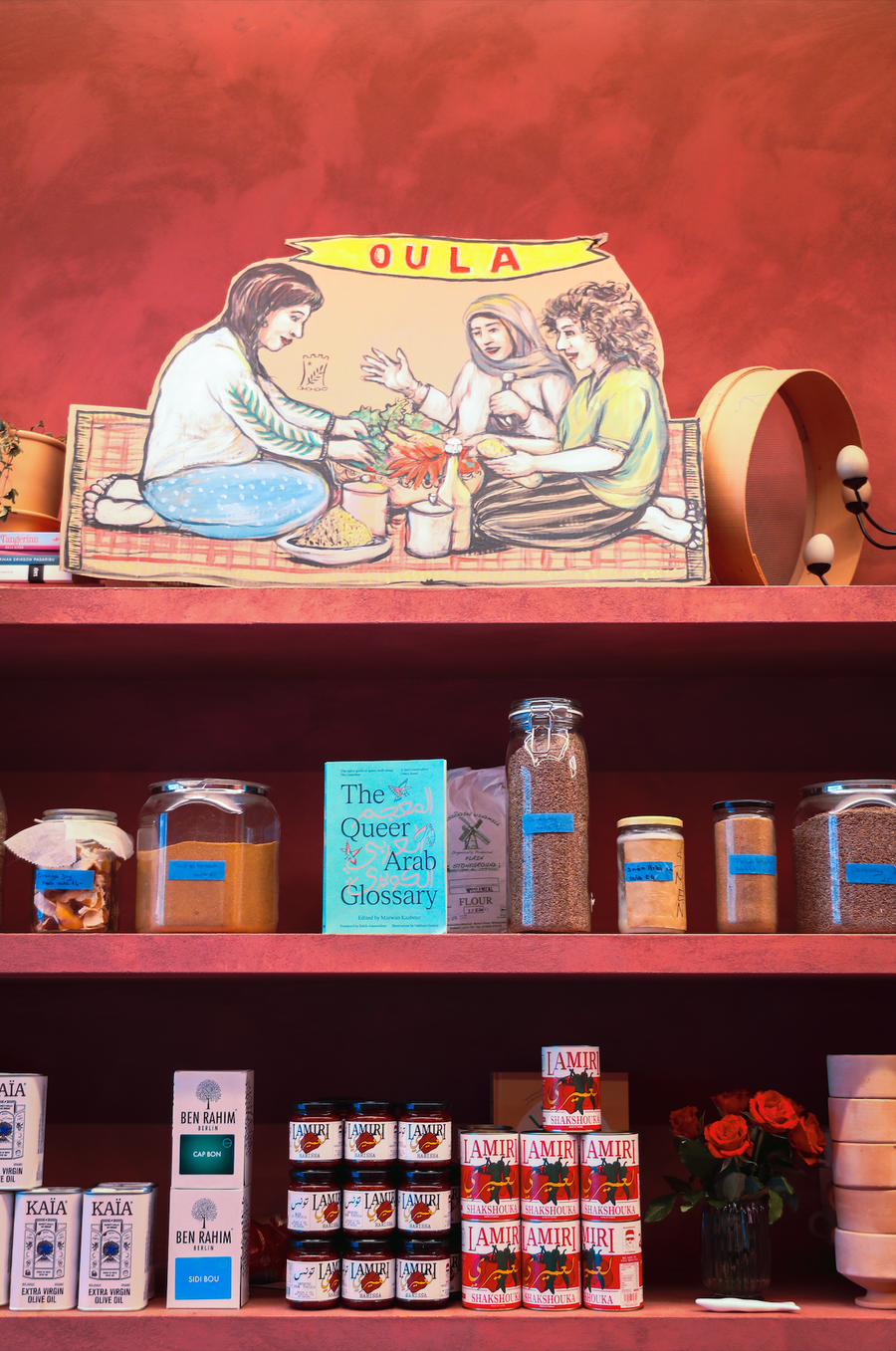
In a district ringed by commercial galleries where art trades as a luxury good, Ibraaz treats it as knowledge and exchange. There is a Palestinian bookshop and a Tunisian café, which is not cast in the shadow of the rest of Ibraaz but actually holds its own and has been named as one of London's best new coffee spots. The treats are creative, often on rotation and always just sweet enough because an institution like this values the conversations we share over food as much as anything else
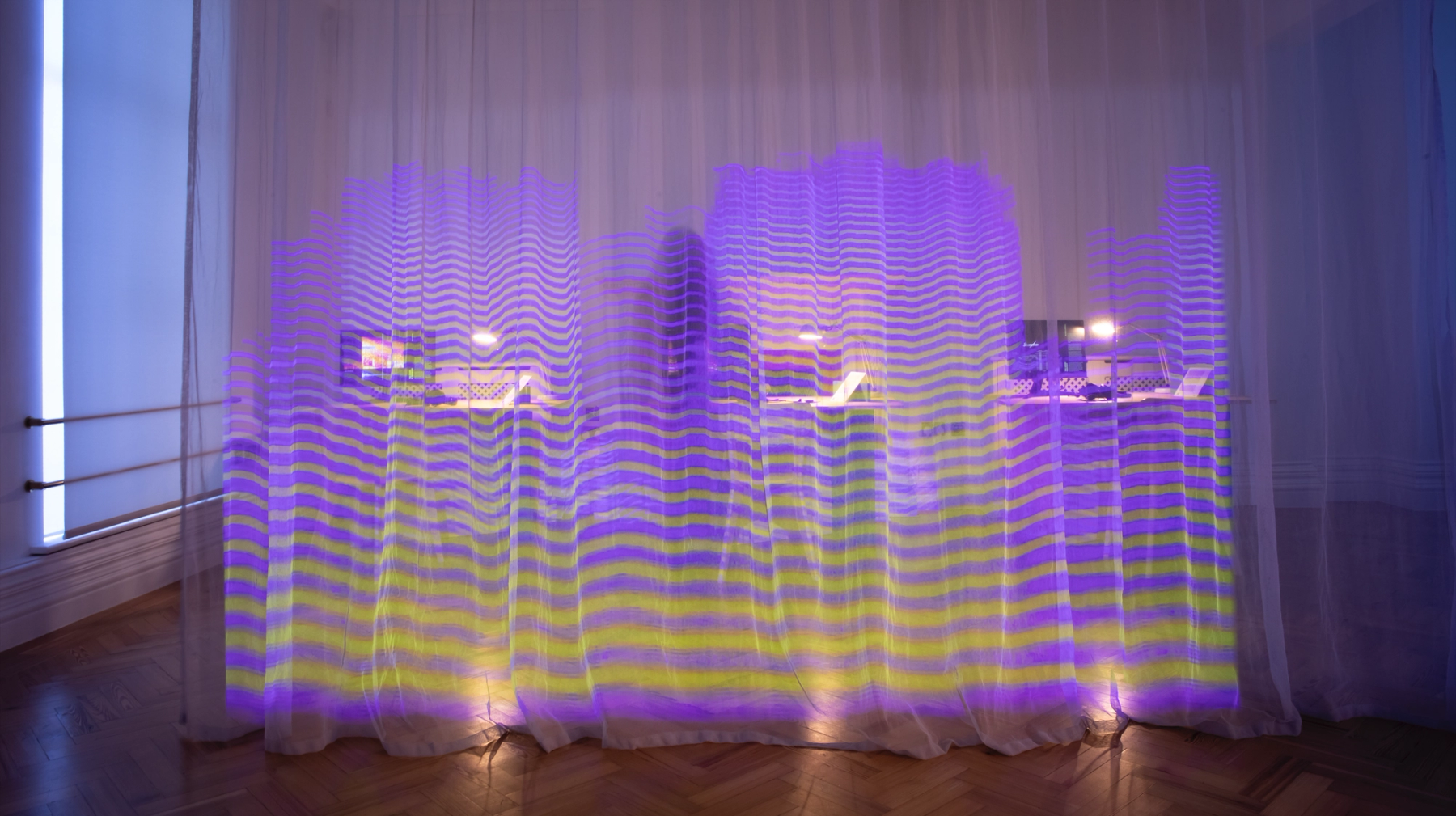
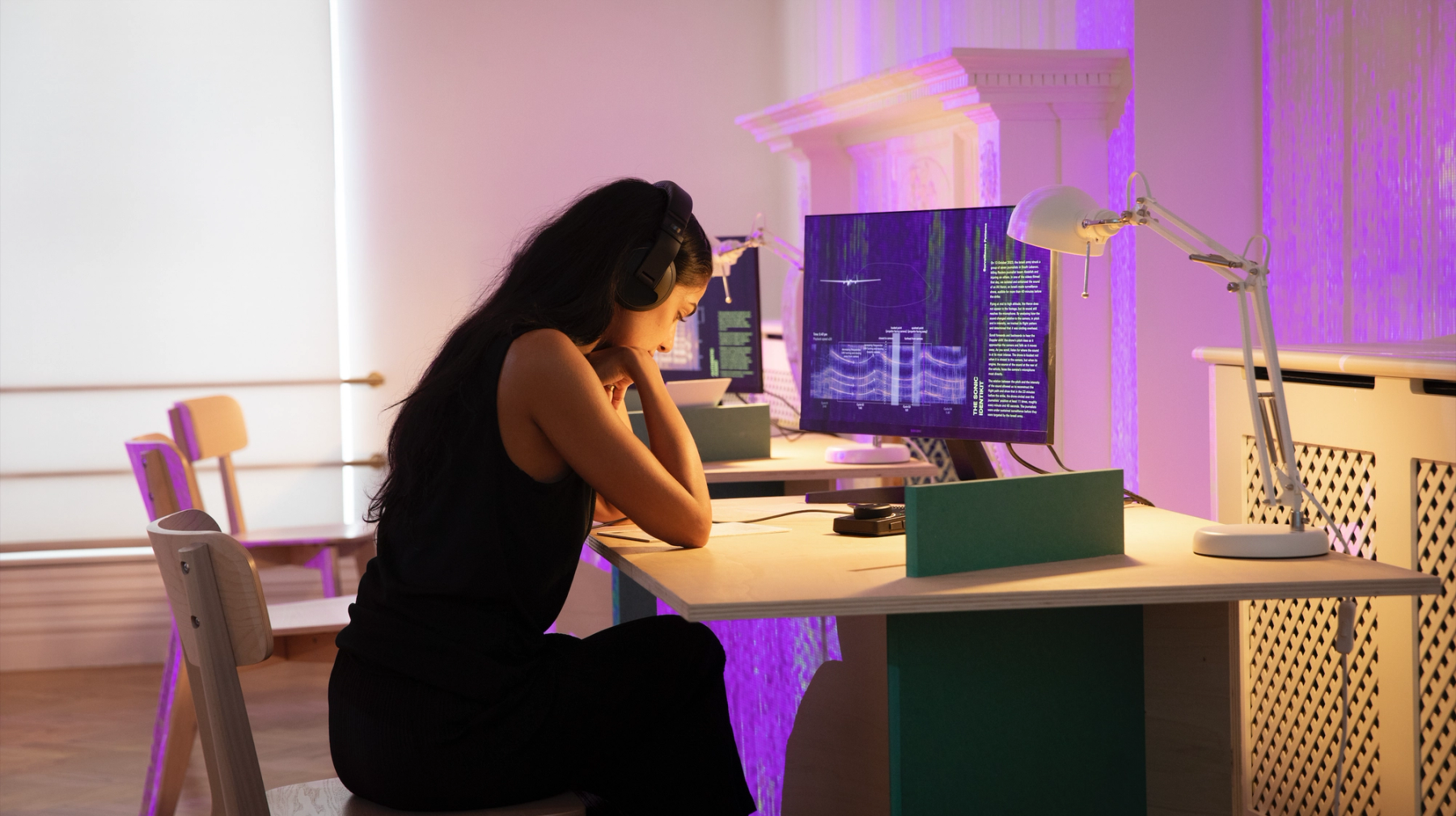
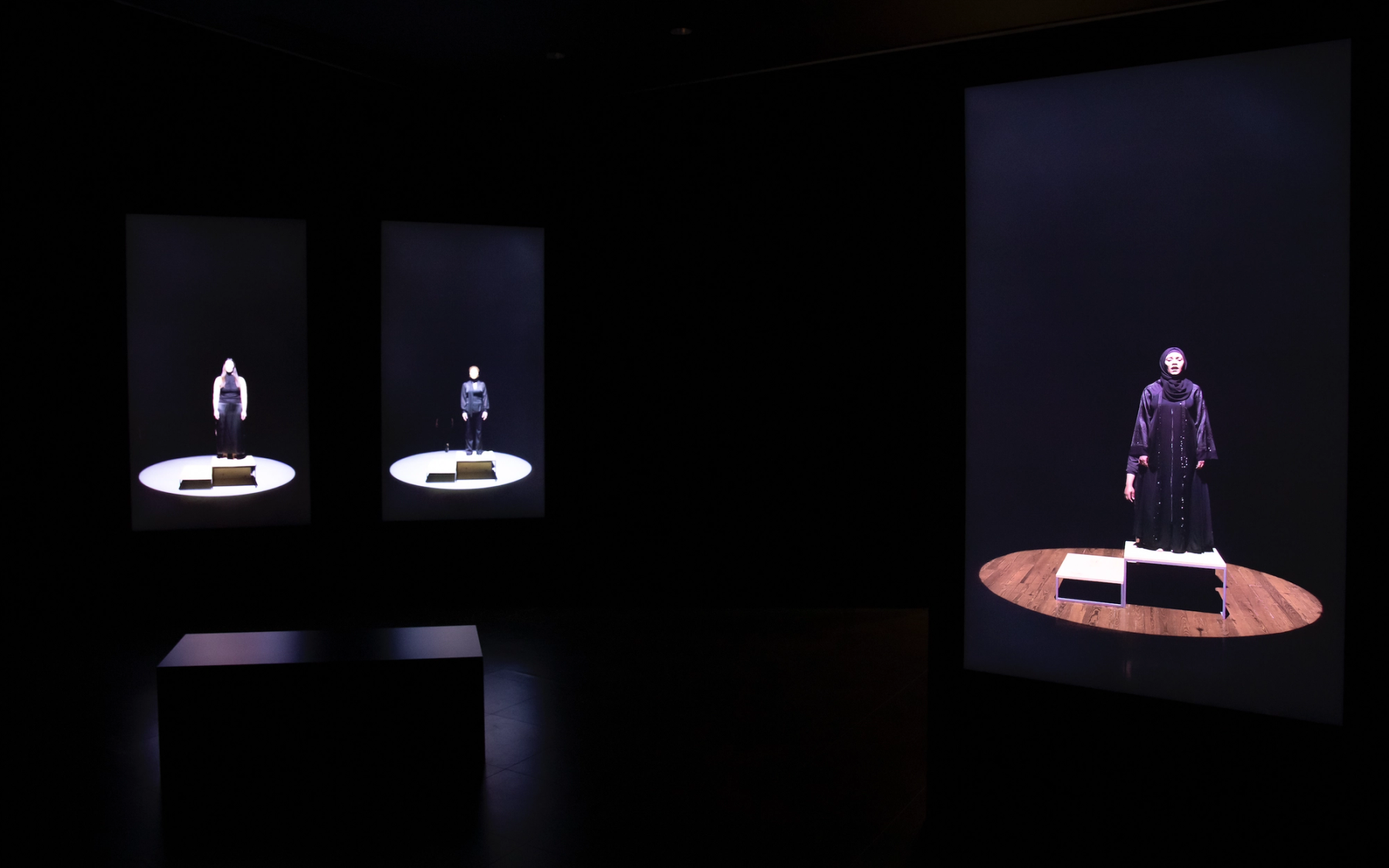
The latest addition to Ibraaz's programme, arriving for its first birthday, is the Earshot Library-in-Residence, founded by artist and forensic audio investigator Lawrence Abu Hamdan, whose self-appointed title of ‘Private Ear’ is rather apt. A 2019 Turner Prize winner, Abu Hamdan has spent much of his practice investigating the political and legal implications of sound, from reconstructing the architecture of Syria's Saydnaya prison through the recollections of former detainees, to analysing the acoustic evidence of military attacks. At Ibraaz, the Iqra has been transformed into a listening and research space, bringing together four strands of Earshot's investigations.
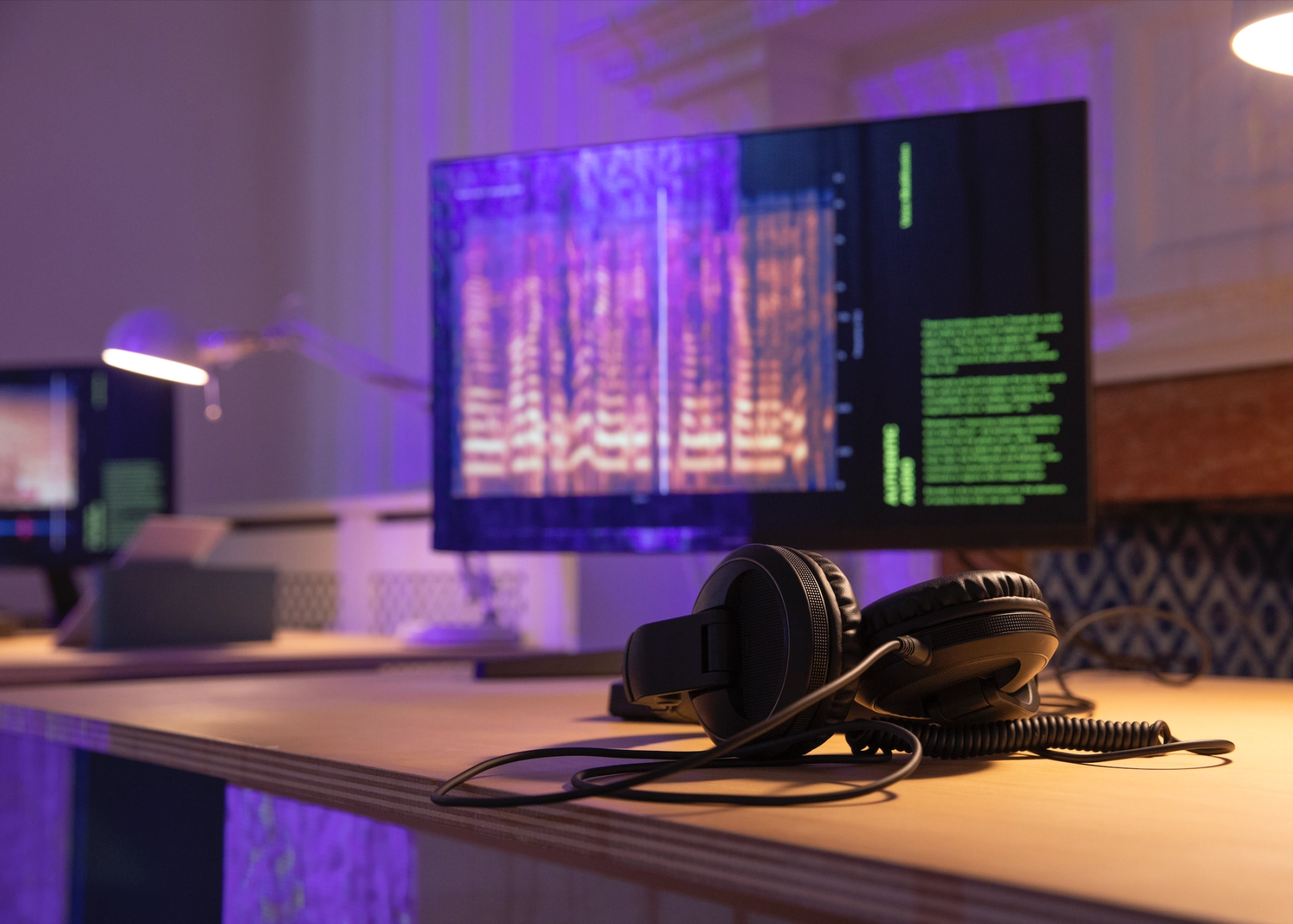
Visitors can explore the acoustic signatures of gunfire and explosions, consider the detection of AI-generated voices, listen to recordings of environmental damage, and discover how sounds can be reconstructed through the memories of those who witnessed them. It hasn’t left me and it won’t. The effect make perceptible forms of violence that might otherwise evade documentation: the Israeli drone overhead, the weapon discharged outside the frame, the noise that precedes an attack, or the sound that remains with someone after the event unmakes the scene around them. You can’t help but reconsider the evidentiary authority we so readily grant the image, and how much of what happens in the world is registered first, or perhaps only, through the ear.
The courage worth remarking on is not the courage Ibraaz has, but the courage it invites: of artists to show the work other venues flinched at, of audiences to sit inside discomfort, of every other institution to notice what becomes possible when a door is held open in the middle of the map. One year in, the Majlis still smells faintly of newness, and who knows where its legacy will trace.
Legacies are written by the people a place makes brave. On the evidence so far, the first chapter is promising.
Though I won’t project any pressure on it, it has done enough for this Arab Londoner, and I keep circling the impossibility of the address. Central is still central. But Ibraaz opens its doors onto a centre which is ours, too.